Celebrity street-style photographs can be inspiring, but a memorable look does not require designer labels or a red-carpet schedule. What often makes an outfit stand out is a clear idea: strong proportions, a repeatable color story or one unexpected accessory. This guide translates those ideas into everyday outfit formulas you can build from clothes you already own. The focus is on observing styling choices rather than copying a person exactly. Your climate, comfort and budget should shape the finished version.
Look for the formula beneath the label
When you see an outfit you like, ignore the brand names at first. Ask what the structure is: oversized jacket plus narrow trousers, monochrome pieces plus a bright bag, or a soft dress beneath a tailored coat. Write the formula in plain words and look for similar roles in your closet. A jacket need not be identical to the photograph to create the same balance. This approach turns a fleeting image into a useful idea.
Make the idea wearable
Pay attention to what makes the outfit wearable. Are the shoes practical? Does the layer suit the weather? Would you feel comfortable sitting, walking and working in it? If not, adapt the formula. Style inspiration is a starting point, not a set of instructions. You can keep the proportion you love while changing the fabric, heel height or color to suit an ordinary day.
Quick takeaways
- Notice the silhouette and color story.
- Find pieces with similar roles in your own closet.
- Adapt shoes, layers and fabrics to your day.
Try the tailored layer
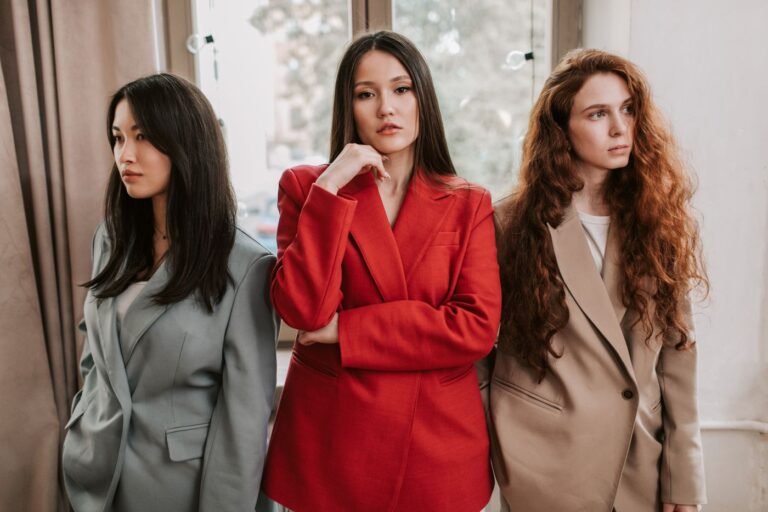
One common polished formula is a simple base topped with a structured jacket. Start with jeans or comfortable trousers and a tee, shirt or fine knit. Add a blazer, tailored vest or clean-lined coat. The layer creates shape even when the pieces underneath are relaxed. Roll a sleeve or leave the jacket open if that feels more natural. Keep the shoes in line with your plans, from flats to clean sneakers.
Relax the styling
Fit matters more than price here. A jacket that sits well at the shoulder and moves comfortably can elevate a familiar outfit. If the shape feels too formal, pair it with denim or a softer fabric. If it feels too boxy, try a narrower bottom or define the waist. Our capsule wardrobe guide shows how to build multiple outfits around versatile layers and bottoms.
Use one-color dressing
Wearing related shades from head to toe creates a calm, intentional look. You might combine cream with ivory, different tones of brown, or dark navy with denim. Exact color matching is not required; in fact, slight variation often adds depth. Mix textures so the outfit does not feel flat: knit with cotton, denim with a smooth shirt, or a soft scarf with a structured coat.
Add a point of contrast
If a full monochrome outfit feels too plain, add a contrasting accessory or shoe. A burgundy bag against neutrals can become the focal point. For a more subtle version, keep the accessory in the same color family but change the finish. Use pieces you already own to test the idea before buying anything. A one-color formula can be a useful shortcut on mornings when coordinating several colors feels like too much work.
Balance volume
Many striking outfits play with proportion. A roomy shirt can work with straight or slimmer trousers; wide-leg trousers can sit well with a more fitted top or cropped jacket. These are options, not rules about body shape. The purpose is to create a silhouette you like and can move in. Stand back from the mirror and look at the whole outfit rather than judging one garment in isolation.
Small adjustments make a difference. Half-tuck a shirt, change the jacket length or switch from a bulky shoe to a sleeker one. Photograph two versions and compare what feels most like you. If oversized pieces are your signature, wear them together with confidence; perhaps show a wrist, collar or waistline for visual definition. There is no requirement to copy the exact proportions of a celebrity photograph.
Make accessories do the work
Accessories often turn a simple base into a recognizable look. Sunglasses, earrings, a belt, a bag or a scarf can each provide one clear point of interest. Choose one or two rather than adding everything at once, unless a more maximal style is genuinely yours. A scarf is especially flexible because it can move from neck to hair to bag. See our five silk scarf styling ideas for practical examples.
Think about the role of an accessory before buying it. Does it add color to several outfits? Can you carry it comfortably? Will you wear it more than once? A smaller collection of frequently used details can be more useful than many pieces kept for a hypothetical occasion. The best finishing touch feels effortless because it works with the clothes you actually wear.
Adapt event style for daytime
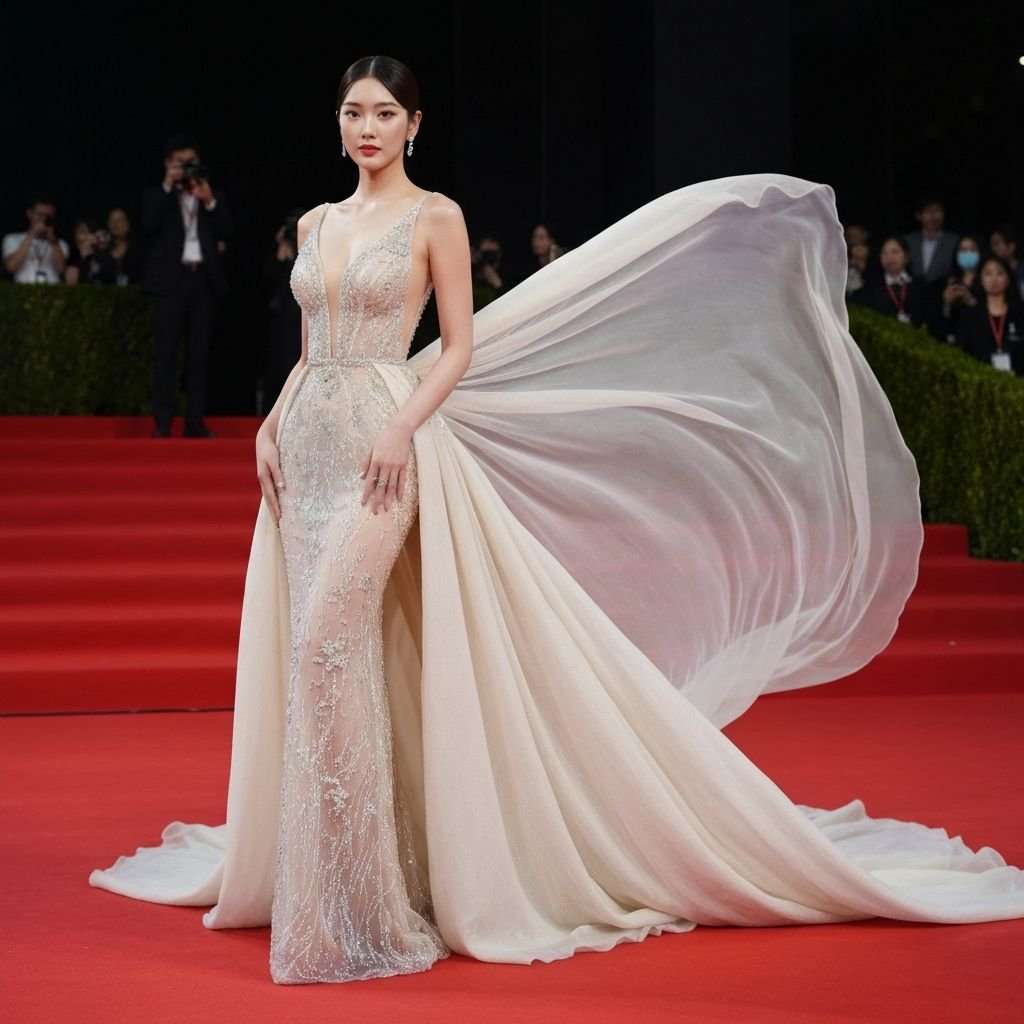
A dramatic evening look can inspire a quieter daytime outfit. Translate a satin dress into a satin shirt with jeans, a sparkling accent into modest earrings, or a sharp suit into one tailored piece with a casual base. Keep the part you admire and lower the formality elsewhere. This makes inspiration useful beyond parties and photographs.
Occasion dressing also depends on context. A work meeting, family dinner and outdoor event ask for different levels of polish and comfort. Prepare one dependable formula for each kind of plan. Then you can change a color or accessory without rebuilding the outfit. If you enjoy pairing style with makeup, the natural makeup guide offers a flexible face that can be softened or dressed up.
Build your own reference folder
Save images because of a specific detail rather than the person wearing them. Label the idea: “long coat with denim,” “brown and cream,” or “bright scarf with a plain shirt.” After collecting a few, look for repeated patterns. Perhaps you always save relaxed tailoring or tonal outfits. Those patterns reveal your preferences more clearly than a long list of items to buy.
Try recreating one idea each week with what you have. Note whether it works with your day and how it feels after several hours. If it does, add the formula to your outfit album. If it does not, adjust it or let it go. Personal style develops through wearing clothes, not just saving photographs. A reference folder should help you get dressed rather than make you feel that your closet is inadequate.
Final thought
Celebrity-inspired style works best when you borrow a principle and make it yours. Notice the silhouette, color and finishing detail; then choose versions that suit your body, schedule and budget. An outfit you can wear comfortably on an ordinary day is a better result than a perfect copy that stays in the closet.