
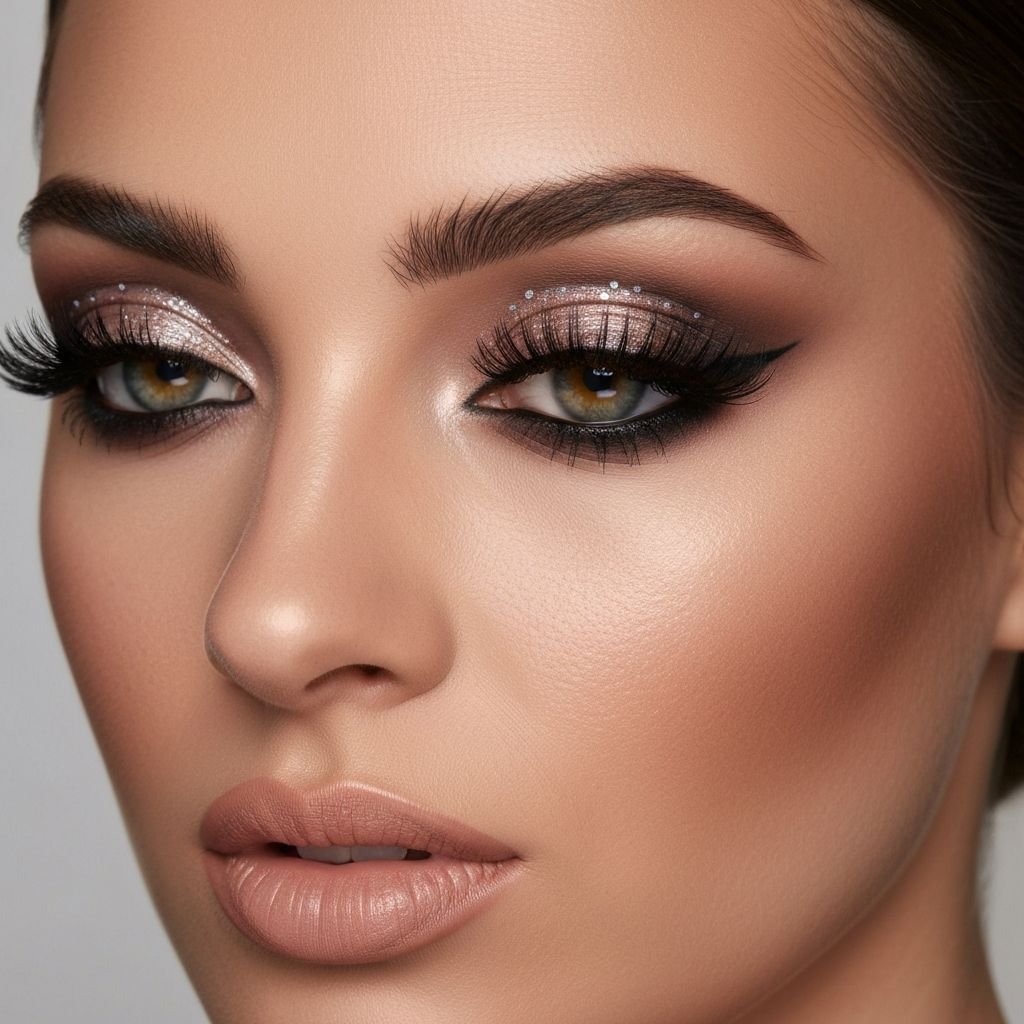
A natural makeup look is less about using no makeup and more about choosing where a little color and definition help you feel like yourself. It can be a five-minute weekday routine or a more considered look for a relaxed event. You do not need to hide every freckle, reshape every feature or buy a full set of new products. This guide walks through preparation, base, brows, eyes, cheeks and lips, with options you can leave out. Use the steps that suit your skin, your time and the finish you enjoy.
Prepare the skin first
Makeup tends to feel more comfortable on skin that has been cared for gently. Start with a clean face and use moisturizer if your skin needs it. During the day, apply appropriate sunscreen according to its directions before makeup. Allow products a moment to settle so your base does not move around. If a sunscreen or moisturizer pills beneath makeup, try using less product at once, allowing more time between layers or choosing formulas that work better together.
Preparation does not require a primer for everyone. If you already have one that helps a particular area, use it there rather than adding it out of habit. Dry patches may need a little more moisture, while areas that become shiny may benefit from a lighter texture. Our beginner skincare guide covers a simple care routine to use under makeup. The goal here is comfort, not a perfectly smooth surface.
Choose a light base
Decide whether you want foundation, a tinted product or only concealer. Apply a small amount to the areas where you want coverage, then blend outward. A sponge, brush or clean fingers can all work; choose the tool you find easiest to control. Look at the result in daylight and add more only where needed. Keeping some of your natural skin visible often makes the look feel fresh and easier to maintain through the day.
Match shade before adding coverage
Shade matching matters more than the amount of coverage. Test a product along the jaw and consider how it looks after a little time, because some formulas change as they dry. Avoid using a very light concealer over every spot; a shade close to your skin can look more seamless. If you prefer no base at all, skip it. Natural makeup is an approach to balance, not a required sequence of products.
Quick takeaways
- Begin with a clean, comfortable skin-care base.
- Use a small amount of tint or concealer where desired.
- Blend in daylight and add coverage only if needed.
Give brows a little structure
Brows can frame the face with very little effort. Brush them in the direction they naturally grow and see whether any sparse area actually needs filling. If it does, use short, light strokes rather than drawing one solid shape. A pencil, powder or tinted gel can work, but you need only one that you can use comfortably. Step back from the mirror to check the overall effect instead of focusing on each tiny gap.
Keep the shape soft
Brow shapes are personal and need not be identical. Follow your natural arch and avoid trying to force both sides into the same exact line. A clear gel may be enough if your brows are already full. If you overfill, brush through with a clean spoolie to soften the color. This small adjustment often makes the face look finished without making the brows the strongest part of the look.
Define the eyes softly
For everyday eyes, choose one neutral shade close to your skin tone or slightly deeper. Sweep it across the lid and blend the edge. You can add a little definition near the lash line with a pencil or a small brush and shadow. Keep the line close to the lashes rather than creating a sharp wing unless that is your signature style. A light hand and a few seconds of blending make the result easier to wear.
Curl lashes if you enjoy doing so, then apply mascara from the roots with a gentle wiggle. One coat may be enough; add another only if you like the effect. If mascara smudges on you, consider a formula that suits your needs or use less on the lower lashes. Eye makeup should feel comfortable. If a product causes irritation, remove it and avoid using it again until you understand the cause.
Add color to the cheeks
Blush can bring warmth back after base makeup. Start with a small amount on the area of the cheeks where you naturally flush and blend toward the hairline. Cream, liquid and powder textures can all work; the easiest one is the one you can apply evenly. Peach, rose and berry tones create different moods, but there is no universal shade for everyone. Try a color in daylight to see how it sits with your own undertone.
Bronzer and highlighter are optional. If you use bronzer, place it lightly where you want warmth rather than using it to redraw the face. A subtle highlight can be a natural skin finish rather than a separate shimmering product. Blend everything together, then look at the whole face. If one area feels too strong, soften the edges with a clean brush or sponge instead of starting over.
Finish with comfortable lips
A tinted balm, sheer lipstick or soft lip color can complete the look without careful maintenance. Choose a shade you can reapply easily, especially on long days. If your lips feel dry, start with a comfortable balm and let it settle. A defined lip line is optional; you can use a pencil close to your natural lip color when you want more structure. The result can be as quiet or expressive as you like.
Think about how your lip color relates to the cheeks rather than trying to match them exactly. Warm tones can sit together, and cooler tones can create a different effect. If you choose a bolder lip, you may prefer to keep the eyes simple. That balance is one reason a natural look is so flexible. One statement detail can still feel effortless when the rest of the makeup is restrained.
Check the look in real light
Before leaving, glance at your makeup in daylight or a neutral light. Check the jawline, hairline and under-eye area for unblended edges. Move your face and smile; a look should feel comfortable as well as photograph well. Carry only the product you expect to touch up, such as lip balm or a small powder. A large makeup bag is rarely necessary for a routine you know well.
Touch up only what needs it
If makeup fades, notice where and when rather than immediately adding more layers. Your skin type, weather and product textures all affect wear. Blotting or a small touch-up may be enough. At night, remove makeup gently and return to your basic care routine. Our everyday beauty routine connects these steps with realistic morning and evening habits.
Make the look your own
Natural does not have to mean identical from person to person. For one reader it may be clear skin and a red lip; for another, a fuller brow and no foundation. Save a photograph of a result you like and note which products and steps you used. That record helps you recreate it without guessing. When you want to experiment, change one detail rather than everything at once.
You can also take inspiration from outfit choices. A relaxed shirt and jeans may suit a barely-there face, while a polished jacket might invite a stronger lip. See our capsule wardrobe guide for outfit formulas that are easy to pair with a simple makeup routine. Getting ready can feel cohesive without being complicated.
Final thought
Begin with comfortable skin, add definition where you enjoy it and stop when the look feels right. You can use every step in this guide or only two. The best natural makeup routine is one you can repeat, adapt and wear with confidence through an ordinary day.