Category: Celebrity Style

Explore celebrity-inspired outfits and street-style details. Find approachable ways to adapt statement pieces, colour combinations and styling ideas to your own wardrobe.

  • Robert Kelker-Kelly: Biography, Soap Roles and Legacy

    Robert Kelker-Kelly: Biography, Soap Roles and Legacy

    Robert Kelker-Kelly: A Life in Daytime Television

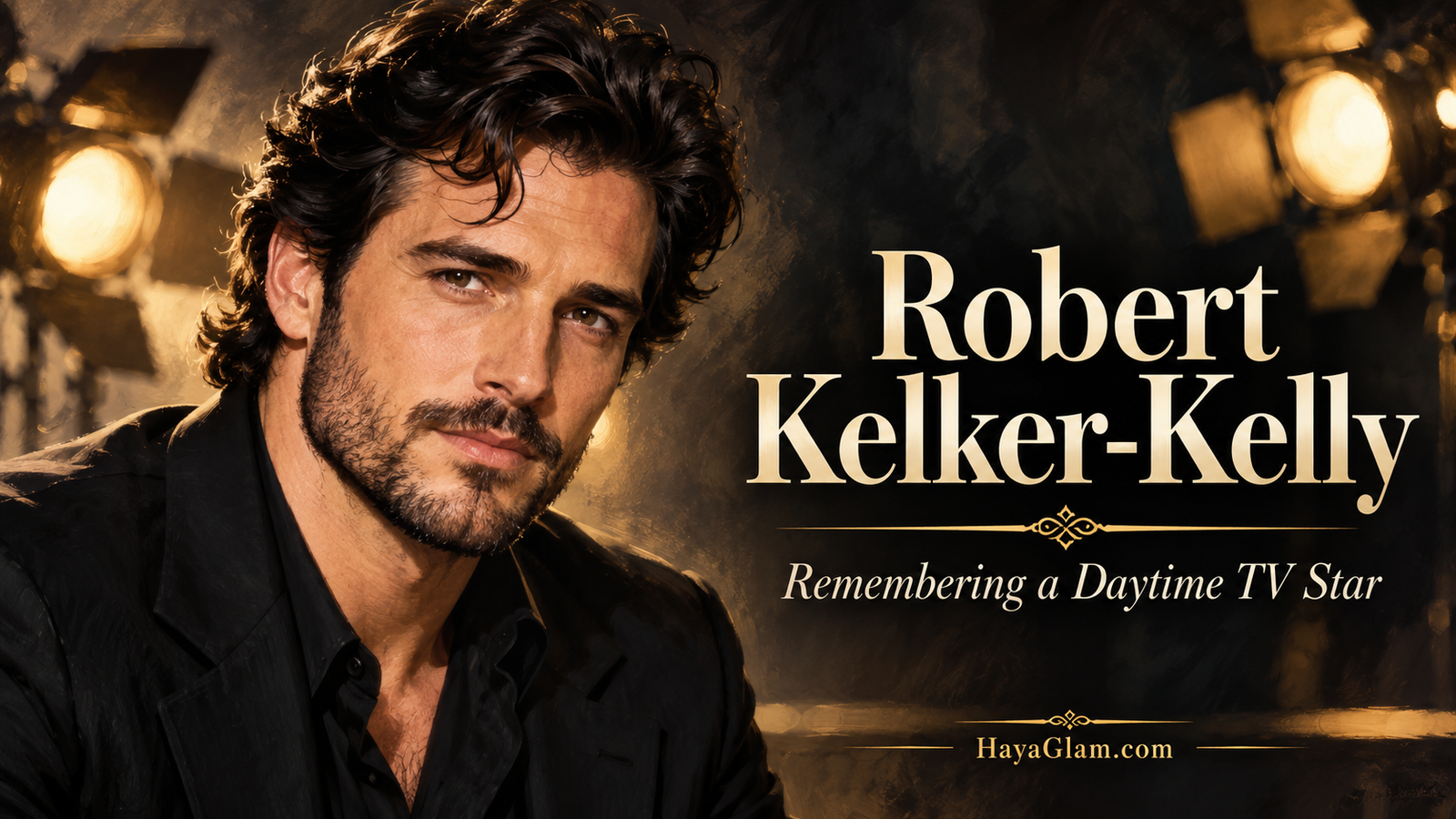
    Robert Kelker-Kelly was an American actor whose career connected three daytime dramas: Another World, Days of Our Lives and General Hospital. Viewers remember him as Sam Fowler, Bo Brady and Stavros Cassadine, characters with very different places in soap opera history. Following reports of his death on October 3, 2026, at age 62, this biography looks at his documented work, the roles that defined his screen career and the distinction between the performer and his fictional characters.

    Who Was Robert Kelker-Kelly?

    For readers searching Robert Kelker Kelly without the hyphen, the name refers to the same television actor. He was born on April 18, 1964, and grew up in Wichita, Kansas. Rather than belonging to only one soap franchise, he moved between established shows and took on both romantic leads and a memorable antagonist. That variety is central to understanding his career. An actor associated with a familiar character can easily become reduced to that role, but Kelker-Kelly’s credits show several distinct chapters, separated by changes in both employment and personal interests.

    Early Interest in Theatre

    Kelker-Kelly attended Wichita Collegiate School and became involved in theatre before his professional television career. School productions helped introduce him to performance, and he briefly attended the University of Kansas before pursuing acting. These details provide a useful starting point without turning his childhood into a romanticised origin story. Stage experience and television acting require different rhythms, but both depend on listening, preparation and responding to scene partners. His later interviews show an interest in acting as a craft, rather than simply as a route to celebrity recognition.

    Another World and Sam Fowler

    His daytime breakthrough came in 1987 when he originated Sam Fowler on Another World. He played the character until 1990, establishing a place in a genre where stories unfold across repeated daily episodes. Sam’s relationship with Amanda Cory became an important part of that period. For viewers exploring Robert Kelker-Kelly’s Another World years, Sam should be treated as his first major soap identity, rather than confused with the character he played when he returned. This early run preceded his more widely discussed arrival in Salem.

    Becoming Bo Brady on Days of Our Lives

    In 1992, Kelker-Kelly joined Days of Our Lives as Bo Brady, taking over a role originally played by Peter Reckell. Recasting a familiar character brings an unusual challenge: the audience already has expectations about the person’s voice, relationships and behaviour. The new actor must work within an established history while finding a convincing approach. Kelker-Kelly remained in the role until 1995. His tenure belongs to a particular chapter of Bo’s story, and it should not be described as the creation of the character or the entirety of Bo’s television history.

    Bo, Hope and Billie

    During his Days of Our Lives run, Kelker-Kelly acted opposite Kristian Alfonso as Hope Brady and Lisa Rinna as Billie Reed. The connections among those characters are a major reason his portrayal remains recognisable to longtime viewers. Soap romances work through accumulated history: earlier choices affect later conflicts, and an ordinary conversation can carry the weight of many previous episodes. When revisiting the Bo Brady actor’s work, separating the character’s relationships from the actor’s private life is essential. On-screen chemistry is a performance, not evidence about an off-screen relationship.

    Awards and Recognition

    Kelker-Kelly won the 1994 Soap Opera Digest Award for Outstanding Lead Actor for his portrayal of Bo. In 1995, he and Lisa Rinna also received the magazine’s Hottest Couple award. These were Soap Opera Digest honours, not Daytime Emmy wins, a distinction that matters in an accurate biography. Awards offer a specific record of recognition at a particular time. They help place his Days work within the era, but they do not replace a careful account of his credits or explain every aspect of his experience on the programme.

    Returning to Another World

    He returned to Another World in 1996, this time as Bobby Reno, whose storyline developed into the identity of Dr. Shane Roberts. That run continued until 1998. The return is sometimes confusing in short actor biographies because the show appears twice in his career. Sam Fowler and Shane Roberts were separate characters, not interchangeable names for the same role. Keeping those identities clear makes his filmography easier to follow and shows how a familiar performer could re-enter an established series with a different narrative purpose.

    General Hospital and Stavros Cassadine

    Kelker-Kelly joined General Hospital as Stavros Cassadine in 2001, followed by appearances in 2002 and 2003. Stavros placed him in a different dramatic register from the romantic associations of Bo Brady. The Cassadine name carries a substantial fictional history within the show, and his appearances should be understood within that ongoing family storyline. Calling him a General Hospital actor is accurate, but describing his involvement as an uninterrupted decade-long contract would be misleading. His later returns were separate appearances rather than proof of continuous employment throughout the intervening years.

    The 2013 and 2014 Returns

    He reprised Stavros during General Hospital’s fiftieth anniversary period in 2013 and returned again in 2014. In an interview with BuzzWorthy Radio, he discussed the secrecy around his comeback and working again with Genie Francis and Anthony Geary. Those comments provide a first-person view of returning to a familiar production after time away. A surprise return depends partly on what viewers remember, which explains why established soap characters can reappear with immediate dramatic significance. The interview also connects his television work with the aviation career he had developed.

    A Career Beyond the Screen

    Kelker-Kelly became a professional pilot, giving his biography a chapter outside entertainment. In interviews, he discussed flying jets for a living and balancing that work with occasional acting opportunities. Aviation should be presented as an actual occupation, rather than a decorative celebrity hobby. It also helps explain why a screen career does not always follow a steady upward sequence of larger roles. A performer can change direction, build another professional identity and still return to a production when a particular opportunity fits.

    Personal Life and Public Information

    Published biographies record marriages to Linda Rattner and actress Miriam Parrish. The reporting is inconsistent about the year his marriage to Parrish ended, so a precise divorce date is omitted here. This is a useful reminder that repeating a number across celebrity websites does not automatically establish its accuracy. Likewise, widely circulated net-worth estimates should not be treated as verified financial records. A responsible profile can acknowledge a public figure’s personal background while keeping its focus on documented professional work and avoiding unnecessary speculation about private circumstances.

    October 2026 News Update

    PEOPLE reported on October 5 that a Missouri medical examiner had confirmed Kelker-Kelly died on October 3, 2026, aged 62. An official cause of death had not been disclosed in that reporting. Readers can consult PEOPLE’s report for the dated update. A biography should not turn incomplete reporting into a diagnosis or repeat unsupported explanations. His television credits and professional history can be discussed clearly while the circumstances of his death remain limited to what reliable reporting has established.

    His Place in Celebrity and Television History

    Kelker-Kelly’s career illustrates how daytime television builds recognition through characters that audiences encounter repeatedly. His award appearances also form part of the visual history of the genre, including its formalwear and publicity photographs. Readers interested in that broader connection can explore HayaGlam’s Celebrity Style collection and red carpet style lessons. For a closer account of the performer himself, the BuzzWorthy Radio interview offers his own recollections. The most useful way to revisit his work is through its distinct roles, dates and creative contexts.

    Frequently Asked Questions

    What was Robert Kelker-Kelly best known for?

    He was best known for playing Bo Brady on Days of Our Lives from 1992 to 1995. His other major soap roles included Sam Fowler and Shane Roberts on Another World, plus Stavros Cassadine on General Hospital.

    Did he create the role of Bo Brady?

    No. Peter Reckell originated Bo Brady before Kelker-Kelly joined Days of Our Lives. Kelker-Kelly played a later version of the established character, and Reckell subsequently returned.

    Was he also a pilot?

    Yes. Professional aviation became an important part of his working life. He discussed flying jets in interviews while explaining how he balanced that occupation with occasional returns to acting.

    When did Robert Kelker-Kelly die?

    He died on October 3, 2026, at the age of 62, according to the reporting published on October 5. The cause of death had not been publicly disclosed in the cited report.

    Which Another World characters did he play?

    He originated Sam Fowler in 1987 and played him until 1990. He later returned as Bobby Reno, also known as Dr. Shane Roberts, from 1996 to 1998. These were different roles.

    Did Robert Kelker-Kelly win a Daytime Emmy?

    The honours discussed here are Soap Opera Digest Awards: Outstanding Lead Actor in 1994 and Hottest Couple with Lisa Rinna in 1995. They should not be labelled as Daytime Emmy Awards.
  • Celebrity Off-Duty Style: Autumn Outfits You Can Adapt

    Celebrity Off-Duty Style: Autumn Outfits You Can Adapt

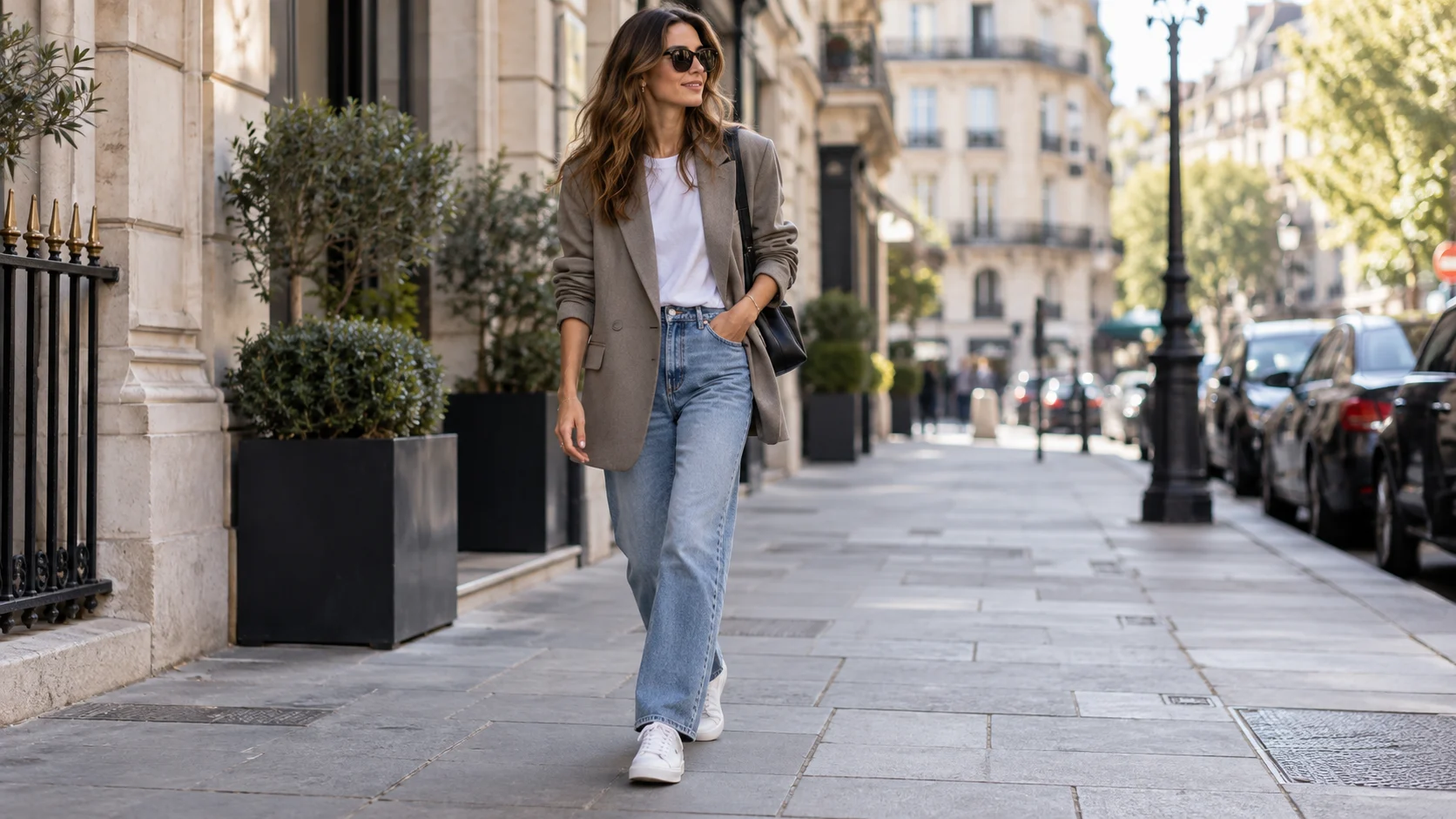
    Celebrity off-duty style is often most useful when it shows a familiar piece worn in a slightly different way. Jeans, a shirt and a jacket are not unusual, but their proportions and accessories can make the combination feel considered. You can borrow those relationships without buying the exact labels in the photograph.

    Recent celebrity street style coverage has included relaxed denim and transitional layers. The practical lesson is to look at the outfit’s structure first. This guide turns that idea into adaptable formulas, with fit checks and small changes that make sense for an ordinary day rather than a photographed arrival.

    Look past the brand names

    When you save an outfit, describe the pieces in plain language. Instead of naming the designer, write straight jeans, a cropped jacket, a striped top or a soft shoulder bag. This makes the outfit easier to recreate with your own wardrobe or a sensible alternative.

    Then notice the relationship between the pieces. Is the top loose and the bottom compact, or the reverse? Where does the jacket end? What makes the shoes feel connected? These details explain more about the result than the price or the celebrity wearing it.

    Identify one feature worth borrowing

    Choose the part you genuinely like. It might be the short jacket over a longer top, a bright shirt beside plain denim or a small patterned accessory. You do not need to reproduce the entire outfit, especially if several parts would be impractical for your day.

    Try the feature within an outfit you already trust. This gives you a clearer comparison than changing everything together. If the new proportion works, you can build another combination around it. If it does not, adjust the fit before assuming the idea cannot suit you.

    Use denim as the reliable starting point

    Choose jeans you can comfortably sit and walk in. A relaxed pair can support a more structured jacket, while a straight cut often works easily with an open shirt or knit. Check the hem with your shoes before deciding the whole outfit looks wrong.

    Our dark denim outfit guide offers simple combinations for different occasions. The wash does not have to match the reference exactly. Focus on the shape and how the jeans connect with the top and footwear you already own.

    Let one layer provide structure

    A coat, blazer or neat jacket can make relaxed basics feel more deliberate. Keep the layer suitable for your weather and activity. A heavy coat may look impressive in a photograph but be uncomfortable during a warm commute.

    Look at shoulder room and sleeve length as well as the front view. You should be able to move without the layers pulling. If the jacket is roomy, a simpler base underneath can help. If the jacket is fitted, avoid crowding it with several bulky pieces.

    Add a small point of contrast

    A striped top, a coloured shirt or a textured bag can give a basic outfit personality. Choose one detail and keep the surrounding pieces straightforward. This makes the contrast visible and helps the outfit remain easy to assemble.

    Colour does not need to be dramatic. A pale shirt under a dark jacket creates contrast too. If you enjoy richer shades, a burgundy accessory can change a neutral combination. Our burgundy styling guide gives practical ways to introduce the colour in small amounts.

    Choose shoes for your actual route

    Footwear can change the mood of an off-duty outfit, but comfort and suitability come first. A polished loafer, clean trainer or simple flat can each work depending on the clothes and the walking you plan to do. Do not choose an impractical shoe solely because it completes the reference.

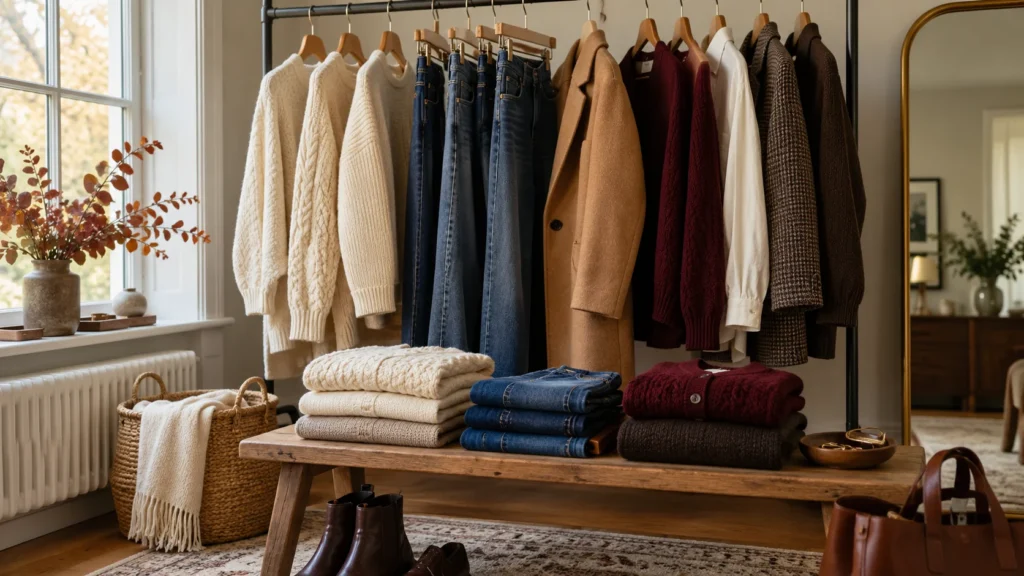
    A tidy autumn wardrobe rail with cream knits, indigo denim, camel coat and burgundy cardigan, neatly folded clothes on a bench, realistic home dressing room.

    Check the jeans again with the selected pair. A long wide hem can drag over flats even when it worked with boots. That practical difference matters more than matching the celebrity photograph exactly. An outfit that works throughout the day is the better adaptation.

    Keep accessories useful

    A bag should hold what you need and feel comfortable to carry. A cap, scarf or sunglasses can add personality when they also suit the situation. Avoid collecting accessories merely because the original outfit contains several.

    You can repeat one colour between a bag and a top without making every item match. A scarf can connect a few tones, but keep the arrangement simple. The goal is a clear outfit with useful details, not a checklist of everything visible in the photograph.

    Adjust the formula for your dress code

    Celebrity street style often sits outside ordinary workplace rules. If you want the idea for an informal office, choose the appropriate version of each piece. A clean denim wash, a structured shirt and suitable shoes may work where distressed jeans or a cropped top would not.

    For a weekend, relax the same formula with a tee and comfortable footwear. The core relationship remains: familiar basics supported by one clear layer or accessory. You can adapt the mood without buying separate wardrobes for work and leisure.

    Photograph the version you would repeat

    Try the whole outfit and take a simple front and side photograph in normal light. Look at the proportions, not your ability to resemble the person in the reference. Notice whether the jacket length, hem or top shape needs a small adjustment.

    Save the final combination with a short note about the shoes and layers. This makes it easier to repeat on a rushed day. Our celebrity inspired outfit formulas offer more starting points if you want to build a small set of dependable looks.

    Celebrity off-duty style checklist

    • Describe the clothes without naming brands.
    • Identify the proportion or detail you enjoy.
    • Recreate one feature with existing pieces.
    • Check movement and comfort.
    • Choose shoes for your real plans.
    • Keep accessories useful and manageable.

    A reference should expand your options rather than create a shopping obligation. If the outfit only appeals because of the setting, lighting or famous person, it may not offer a practical idea for your own clothes. Save the looks that communicate a clear combination you can use.

    Frequently asked questions

    Do I need designer pieces to recreate celebrity style?

    No. The useful parts are often shape, colour and proportion. A well fitting ordinary shirt can fulfil the same role as a designer shirt in a simple outfit formula. Choose quality and practicality within your budget rather than treating a logo as the main requirement.

    Why does my version look different from the photograph?

    The fit, body proportions, lighting, angle and styling conditions are different. That does not mean the outfit has failed. Assess whether your version feels balanced and comfortable on you. Adjust specific details rather than expecting an identical image.

    For current examples, see Vogue’s celebrity street style edit. Use the photographs to study combinations, then build your own version around the clothes and routine you actually have.

  • Red Carpet Style Lessons: Dress Up Without Copying a Gown

    Red Carpet Style Lessons: Dress Up Without Copying a Gown

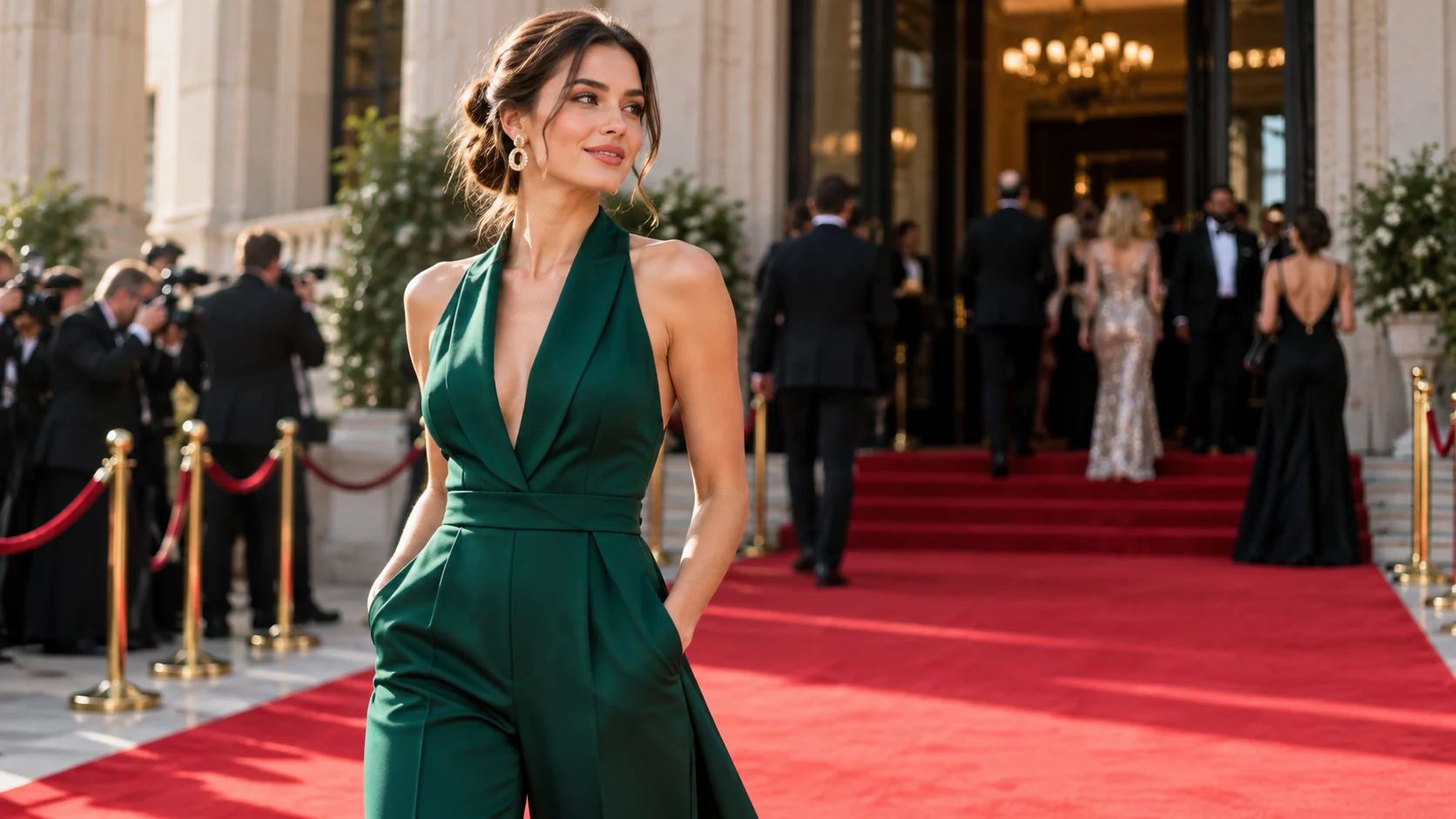
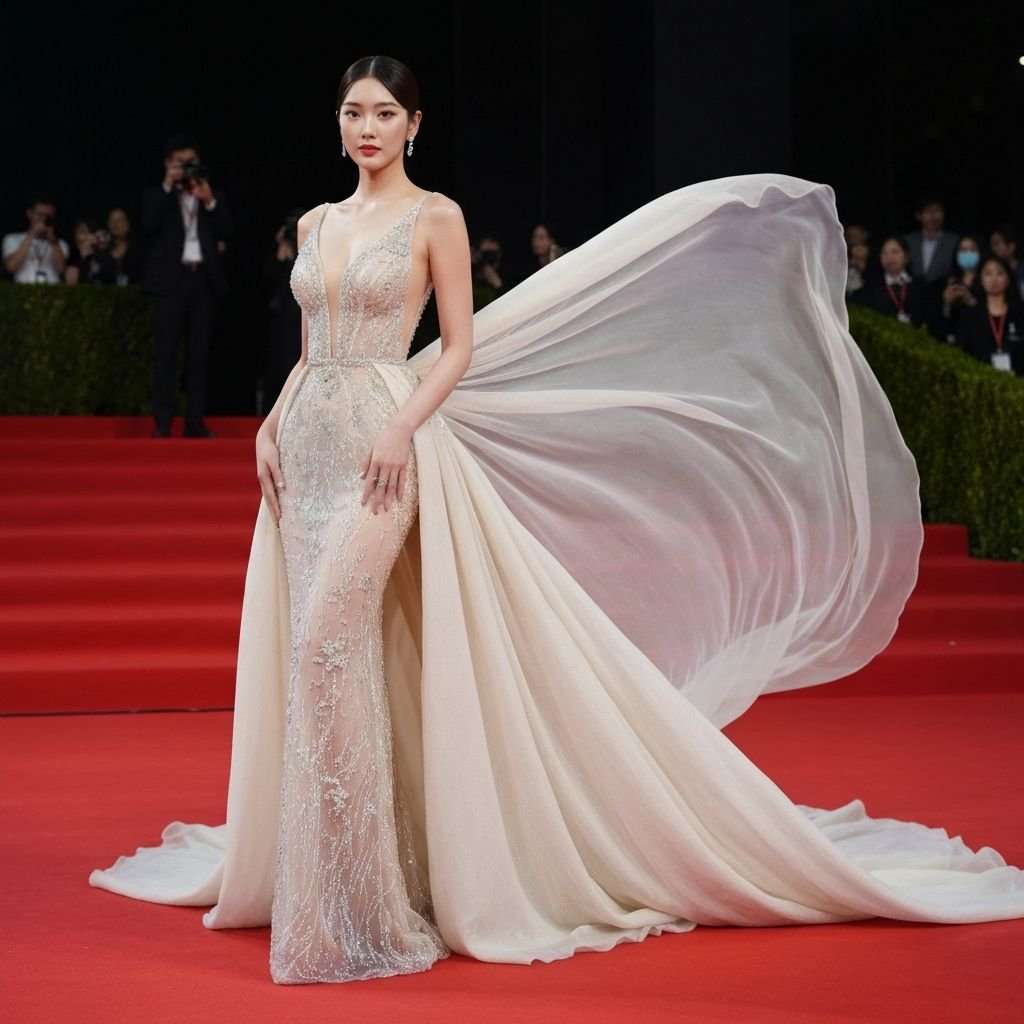
    Red carpet style lessons are most useful when you separate the idea from the scale. A dramatic gown may not suit your event, budget or venue, but the outfit can still teach you about a clear focal point, a balanced silhouette or restrained accessories. Those principles work with an ordinary dress or a tailored set.

    Current celebrity event coverage offers plenty of striking looks, yet a real occasion comes with practical needs. You may be walking, sitting through dinner or travelling between venues. This guide helps you borrow the styling logic while choosing clothes you can comfortably wear for the whole event.

    Begin with the invitation and venue

    Read the dress code before looking for an outfit. A formal evening, daytime wedding and small dinner do not ask for the same level of dress. The venue and weather matter too. An outdoor event may make a long delicate hem or narrow heel impractical.

    Think through the full route, including transport and any time spent outside. A look that works only while standing still may create problems later. Choosing the right level of formality first makes the rest of the decisions easier and reduces unnecessary shopping.

    Define the mood in a few words

    You might want simple and polished, soft and romantic or bold and structured. Those descriptions help narrow the choices without tying you to one celebrity. Save two or three references that share the same mood rather than a large folder of conflicting ideas.

    Look at what creates that mood. It may be the fabric, neckline, shape or colour. Once you can describe the feature, you can find a more practical version. A flowing skirt can suggest movement without needing a long train, for example.

    Choose one focal point

    A strong neckline, rich colour, interesting texture or statement accessory can lead the outfit. You do not need all four together. One clear feature gives the eye somewhere to settle and makes the rest of the styling simpler.

    If the dress has a detailed bodice, choose quieter earrings or a small bag. If the clothes are very plain, an accessory can provide the interest. The balance is not about removing personality; it is about making the feature you like visible.

    Treat fit as part of the styling

    Check the outfit while sitting, walking and lifting your arms. A neckline that moves constantly or a waistband that becomes uncomfortable will distract you throughout the event. Fit should support confidence rather than require continuous adjustment.

    Consider a useful alteration before replacing the whole outfit. A hem, sleeve length or small waist adjustment can change the result significantly. Ask a suitable professional what is possible with the garment rather than assuming every problem can be solved by tightening it.

    Use fabric to create the right level of dress

    A smooth or fluid fabric can make a simple silhouette feel more formal. A matte knit or structured cotton may create a quieter effect. Choose according to the occasion and how the material moves, not only how it looks on a hanger.

    Try the outfit under lighting similar to the event when possible. Some fabrics appear shinier or more transparent in different conditions. Check any lining and the way the garment sits during movement so there are no surprises when you arrive.

    Keep jewellery connected to the neckline

    A high neckline may leave more room for earrings than a necklace. An open neckline can work with a small pendant or simply no necklace at all. Look at the full outfit rather than assuming every formal look needs a complete matching set.

    If you choose statement earrings, test their comfort for the length of the event. Heavy accessories can become distracting after an hour. A smaller pair you enjoy wearing is often more useful than a dramatic option you remove halfway through dinner.

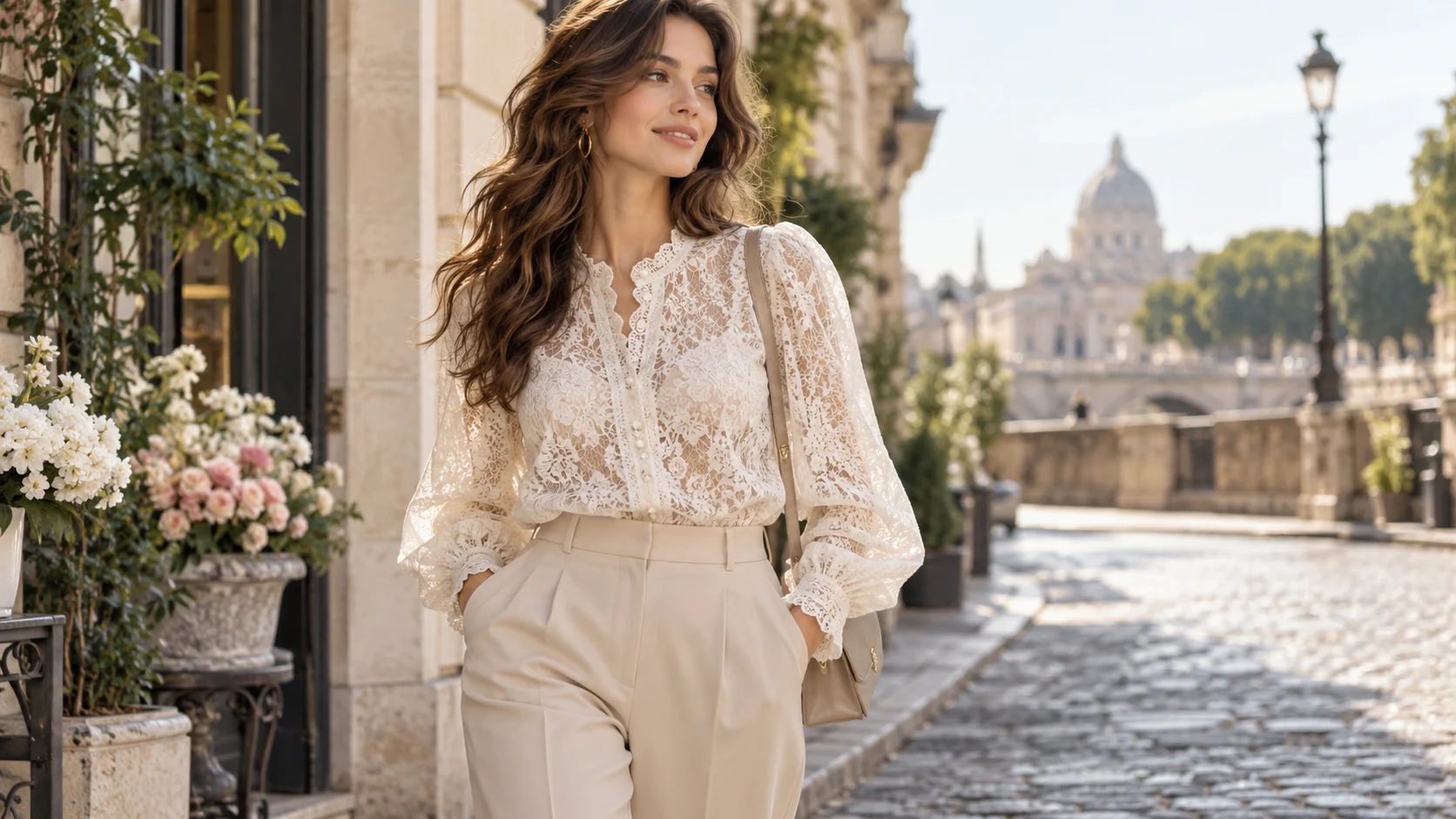
    Generic adult fashion model, not any real celebrity, wearing an ivory lace blouse with softly voluminous sleeves and neutral tailored trousers, tasteful romantic street style.

    Choose a bag that supports the evening

    A small bag should still hold the essentials you need. Check your phone, transport details and any personal items before deciding the bag is practical. A beautiful clutch that forces you to carry another bag may complicate the outfit.

    The bag does not have to match the shoes exactly. A related colour or a quiet neutral can work. Think about texture too: if the clothes are heavily embellished, a simple bag gives the outfit space. If the clothes are plain, a more interesting finish can add detail.

    Make footwear a comfort decision

    Try the shoes with the outfit and walk on a suitable surface. Check the hem length and whether the shoes remain comfortable while standing. If the event is outdoors, consider the ground rather than choosing only for the front view in a mirror.

    You do not need high heels to look dressed up. A polished flat or appropriate low heel can provide the finish you want. The useful question is whether the shoes suit the outfit and the event, not whether they recreate a celebrity’s height or posture.

    Plan hair and makeup around the clothes

    A detailed neckline may work better with hair arranged away from it, while a simple outfit gives you room for a stronger beauty detail. Choose a routine you know or practise the new element beforehand. Do not leave every styling decision to the final hour.

    Our soft volume hair guide and burgundy makeup ideas offer adaptable options. Keep one feature stronger and let the others support it, especially if the clothes already have a dramatic colour or texture.

    Do a complete outfit rehearsal

    Try everything together, including outerwear and the bag. Sit for a few minutes, walk and check the outfit from the side. This is when you notice practical issues such as a coat that crushes the sleeves or jewellery that catches on the fabric.

    Take a photograph and save the final combination. You may be able to reuse it with a different accessory for another event. Our celebrity inspired outfit guide can help you think in repeatable combinations instead of treating every invitation as a reason to start again.

    Red carpet style lessons checklist

    • Confirm the dress code and weather.
    • Choose one clear focal point.
    • Check fit while moving and sitting.
    • Test shoes for the venue.
    • Pack a useful bag.
    • Practise any unfamiliar hair or makeup step.

    The best adaptation feels appropriate to your event and comfortable on you. You can appreciate an elaborate red carpet look while borrowing only its colour or balance. There is no need to reproduce a train, a designer label or a highly staged pose.

    Frequently asked questions

    Can I wear trousers to a formal event?

    A suitable tailored outfit may work, depending on the dress code and event. Check the invitation and choose fabrics, fit and accessories that match the level of formality. Do not assume a dress is the only route to a polished look.

    How do I avoid looking overdressed?

    Start with the event rather than the reference image. Reduce the scale of the dramatic feature and keep the remaining pieces simple. A rich colour in a straightforward silhouette often feels easier to wear than elaborate embellishment, a long train and large accessories together.

    For current inspiration, explore Vogue’s Milan event arrivals. The images can spark ideas, while your own venue, comfort and personal taste decide the final outfit.

  • Romantic Celebrity Style: Wear Lace and Soft Volume Today

    Romantic Celebrity Style: Wear Lace and Soft Volume Today

    Romantic celebrity style brings softness, texture and a little drama to modern dressing. Lace, fluid fabrics and fuller sleeves can suggest a period inspired mood without turning an ordinary outfit into costume. The most wearable versions combine one romantic detail with pieces that keep the look grounded in your own routine.

    In recent press tour coverage, Vogue described Daisy Edgar-Jones wearing period inspired elements while promoting Sense and Sensibility. That provides a current reference for the mood, but the everyday adaptations below are our own suggestions. Focus on the detail you enjoy rather than trying to reproduce a complete promotional look.

    Decide which romantic detail appeals to you

    You might like the delicacy of lace, the movement of a long skirt or the shape of a fuller sleeve. These features do different things. Lace adds texture, a fluid skirt creates movement and a sleeve changes the silhouette around the shoulders.

    Choose one starting detail so the outfit has a clear direction. If you select lace, let the rest of the clothes be simpler. If you want a flowing silhouette, use a quieter top. You can add more later, but one feature is easier to adapt and repeat.

    Keep the rest of the wardrobe familiar

    Begin with clothes you already wear comfortably. A romantic blouse can sit beside your usual jeans, while a flowing skirt can work with a plain knit. Familiar pieces make the new detail feel like part of your style instead of a costume you are borrowing for the day.

    Try the combination before buying extra accessories. You may discover that your usual shoes and bag are enough. A trend becomes more useful when it changes how you wear existing clothes, rather than requiring an entirely separate collection.

    Pair a lace blouse with simple denim

    A lace blouse has enough texture to lead the outfit. Straight or gently relaxed jeans can provide a clear contrast, while a simple belt or neat bag keeps the combination practical. Check the blouse’s lining and choose underlayers that suit the garment and your comfort.

    Our dark denim guide offers more ways to balance a detailed top. You do not need distressed jeans to make lace feel casual. A clean wash and ordinary footwear can create a modern result without competing with the fabric.

    Balance fuller sleeves with a clear waist or hem

    A puffed or gathered sleeve adds volume near the shoulders. Try it with trousers or a skirt whose shape you understand, then decide whether a tuck helps define the outfit. A small adjustment at the waist can make the sleeve feel intentional rather than oversized everywhere.

    Check movement as well as appearance. You should be able to reach and bend your arms without the blouse pulling. A romantic shape should not mean constant discomfort. If the sleeves are too large for your routine, choose a subtler gather rather than forcing the most dramatic version.

    Add a structured layer over a flowing dress

    A jacket can ground a soft dress and make it easier to wear outside a formal occasion. Look at where the jacket ends relative to the waist and skirt. A shorter layer may create a clear division, while a longer one can produce a more relaxed line.

    Choose the jacket for your weather and activity. A light blazer may be more useful than leather on a warm day. The important relationship is structure beside movement, not a compulsory material. Test the outfit with the shoes you will actually wear.

    Keep a long skirt practical

    A fluid skirt can offer a romantic shape with a plain tee or knit. Check the hem while walking and sitting, especially if the fabric is delicate. A skirt that drags or catches constantly may need an alteration before it becomes a useful everyday piece.

    Think about the waistband too. A soft skirt may look beautiful while standing but feel awkward with a bulky tucked sweater. Try a thinner top or a partial tuck if appropriate. Small proportion changes often solve the problem without replacing either piece.

    Use colour to control the mood

    Cream, pale pink and muted shades can emphasise softness, while black or deep tones create a stronger contrast. Neither is more correct. Choose the palette according to your wardrobe and how romantic you want the final outfit to feel.

    A dark jacket over a light dress gives the soft fabric a firmer setting. A tonal combination feels more unified. If you enjoy richer accents, our burgundy outfit ideas show ways to add depth without overwhelming a delicate blouse or skirt.

    Keep accessories from becoming a costume

    One small romantic accessory may be enough. Earrings, a simple hair detail or a printed scarf can support the mood, but adding every possible reference can make the outfit feel themed. Choose the detail you would still enjoy if nobody knew the inspiration.

    A practical bag and familiar shoes help keep the combination modern. Do not automatically choose vintage looking accessories just because the blouse has lace. Contrasting a soft fabric with a plain structured bag can be more wearable than matching the entire outfit to one era.

    Adapt the idea for different occasions

    For a daytime outing, pair a detailed blouse with denim and comfortable shoes. For dinner, use a flowing skirt with a simple knit and a small bag. For a formal event, let the romantic fabric lead while keeping jewellery and the rest of the styling controlled.

    Our red carpet styling guide explains how to scale event inspiration to your own venue. Check the invitation and practical conditions before choosing a long dress or delicate shoes simply because they suit the mood.

    Care for the details you want to keep

    Read the care label before washing or steaming lace and delicate fabrics. Avoid assuming that all romantic looking clothes need the same treatment. A simple maintenance routine makes the garment easier to repeat and helps you decide whether it suits your lifestyle.

    Check for accessories or bag hardware that may catch on the fabric. Try the complete outfit at home so you can notice friction before an event. The most beautiful detail is less enjoyable when you spend the day protecting it from everything you touch.

    Romantic celebrity style checklist

    • Choose one romantic feature.
    • Pair it with familiar practical pieces.
    • Check lining, movement and hem length.
    • Use colour to set the level of softness.
    • Keep accessories selective.
    • Follow the garment’s care instructions.

    Photograph the combination you like and save a second version for a different occasion. Repeating the same blouse with new trousers or a jacket is a better test of its usefulness than wearing it once in a highly styled photograph.

    Frequently asked questions

    Can romantic clothes work in a minimal wardrobe?

    Yes. A single textured blouse or flowing skirt can offer variety while using the same reliable basics. Choose a colour that connects with your existing clothes and a shape you can maintain. The detail can be expressive without requiring many supporting purchases.

    How do I avoid a costume effect?

    Mix one period inspired detail with modern, straightforward pieces. Keep the shoes, bag and outer layer practical. You can also reduce the scale of the feature, choosing a subtle sleeve or small lace panel instead of several dramatic details together.

    For the current celebrity reference, see Vogue’s Daisy Edgar-Jones press tour coverage. Use the mood as inspiration, then build an outfit that belongs comfortably in your own wardrobe.

  • Celebrity-Inspired Outfits You Can Wear Every Day

    Celebrity-Inspired Outfits You Can Wear Every Day

    Celebrity street-style photographs can be inspiring, but a memorable look does not require designer labels or a red-carpet schedule. What often makes an outfit stand out is a clear idea: strong proportions, a repeatable color story or one unexpected accessory. This guide translates those ideas into everyday outfit formulas you can build from clothes you already own. The focus is on observing styling choices rather than copying a person exactly. Your climate, comfort and budget should shape the finished version.

    Look for the formula beneath the label

    When you see an outfit you like, ignore the brand names at first. Ask what the structure is: oversized jacket plus narrow trousers, monochrome pieces plus a bright bag, or a soft dress beneath a tailored coat. Write the formula in plain words and look for similar roles in your closet. A jacket need not be identical to the photograph to create the same balance. This approach turns a fleeting image into a useful idea.

    Make the idea wearable

    Pay attention to what makes the outfit wearable. Are the shoes practical? Does the layer suit the weather? Would you feel comfortable sitting, walking and working in it? If not, adapt the formula. Style inspiration is a starting point, not a set of instructions. You can keep the proportion you love while changing the fabric, heel height or color to suit an ordinary day.

    Quick takeaways

    • Notice the silhouette and color story.
    • Find pieces with similar roles in your own closet.
    • Adapt shoes, layers and fabrics to your day.

    Try the tailored layer

    One common polished formula is a simple base topped with a structured jacket. Start with jeans or comfortable trousers and a tee, shirt or fine knit. Add a blazer, tailored vest or clean-lined coat. The layer creates shape even when the pieces underneath are relaxed. Roll a sleeve or leave the jacket open if that feels more natural. Keep the shoes in line with your plans, from flats to clean sneakers.

    Relax the styling

    Fit matters more than price here. A jacket that sits well at the shoulder and moves comfortably can elevate a familiar outfit. If the shape feels too formal, pair it with denim or a softer fabric. If it feels too boxy, try a narrower bottom or define the waist. Our capsule wardrobe guide shows how to build multiple outfits around versatile layers and bottoms.

    Use one-color dressing

    Wearing related shades from head to toe creates a calm, intentional look. You might combine cream with ivory, different tones of brown, or dark navy with denim. Exact color matching is not required; in fact, slight variation often adds depth. Mix textures so the outfit does not feel flat: knit with cotton, denim with a smooth shirt, or a soft scarf with a structured coat.

    Add a point of contrast

    If a full monochrome outfit feels too plain, add a contrasting accessory or shoe. A burgundy bag against neutrals can become the focal point. For a more subtle version, keep the accessory in the same color family but change the finish. Use pieces you already own to test the idea before buying anything. A one-color formula can be a useful shortcut on mornings when coordinating several colors feels like too much work.

    Balance volume

    Many striking outfits play with proportion. A roomy shirt can work with straight or slimmer trousers; wide-leg trousers can sit well with a more fitted top or cropped jacket. These are options, not rules about body shape. The purpose is to create a silhouette you like and can move in. Stand back from the mirror and look at the whole outfit rather than judging one garment in isolation.

    Small adjustments make a difference. Half-tuck a shirt, change the jacket length or switch from a bulky shoe to a sleeker one. Photograph two versions and compare what feels most like you. If oversized pieces are your signature, wear them together with confidence; perhaps show a wrist, collar or waistline for visual definition. There is no requirement to copy the exact proportions of a celebrity photograph.

    Make accessories do the work

    Accessories often turn a simple base into a recognizable look. Sunglasses, earrings, a belt, a bag or a scarf can each provide one clear point of interest. Choose one or two rather than adding everything at once, unless a more maximal style is genuinely yours. A scarf is especially flexible because it can move from neck to hair to bag. See our five silk scarf styling ideas for practical examples.

    Think about the role of an accessory before buying it. Does it add color to several outfits? Can you carry it comfortably? Will you wear it more than once? A smaller collection of frequently used details can be more useful than many pieces kept for a hypothetical occasion. The best finishing touch feels effortless because it works with the clothes you actually wear.

    Adapt event style for daytime

    A dramatic evening look can inspire a quieter daytime outfit. Translate a satin dress into a satin shirt with jeans, a sparkling accent into modest earrings, or a sharp suit into one tailored piece with a casual base. Keep the part you admire and lower the formality elsewhere. This makes inspiration useful beyond parties and photographs.

    Occasion dressing also depends on context. A work meeting, family dinner and outdoor event ask for different levels of polish and comfort. Prepare one dependable formula for each kind of plan. Then you can change a color or accessory without rebuilding the outfit. If you enjoy pairing style with makeup, the natural makeup guide offers a flexible face that can be softened or dressed up.

    Build your own reference folder

    Save images because of a specific detail rather than the person wearing them. Label the idea: “long coat with denim,” “brown and cream,” or “bright scarf with a plain shirt.” After collecting a few, look for repeated patterns. Perhaps you always save relaxed tailoring or tonal outfits. Those patterns reveal your preferences more clearly than a long list of items to buy.

    Try recreating one idea each week with what you have. Note whether it works with your day and how it feels after several hours. If it does, add the formula to your outfit album. If it does not, adjust it or let it go. Personal style develops through wearing clothes, not just saving photographs. A reference folder should help you get dressed rather than make you feel that your closet is inadequate.

    Final thought

    Celebrity-inspired style works best when you borrow a principle and make it yours. Notice the silhouette, color and finishing detail; then choose versions that suit your body, schedule and budget. An outfit you can wear comfortably on an ordinary day is a better result than a perfect copy that stays in the closet.