Category: Blog

Read fashion, beauty and lifestyle stories from Haya Glam. Find outfit guides, hairstyle inspiration, makeup ideas and nail art designs, then explore each topic in its dedicated category.

  • How to Build a Capsule Wardrobe for Everyday Style

    How to Build a Capsule Wardrobe for Everyday Style

    A capsule wardrobe makes getting dressed easier by giving you a smaller set of clothes that work together. It is not a fixed number of hangers or a rule that every outfit must look minimal. The goal is to keep the pieces you actually wear, spot the gaps, and make more outfits with less guesswork.

    This guide walks through a practical way to build yours around your schedule, climate, and taste. Start with your own closet; you can refine it over time without replacing everything at once.

    In This Guide

    What Is a Capsule Wardrobe?

    A capsule wardrobe is a thoughtfully chosen collection of clothing you can mix and match for the life you lead now. It usually includes everyday basics, useful layers, shoes, and a few pieces that show your personality. Pieces earn their place by fitting well, feeling comfortable, and working with other things you own.

    How many pieces do you need?

    There is no magic number. Someone who works from home in a warm climate may need a different mix from someone with an office dress code and four seasons. Count outfits and occasions before counting garments. If a smaller wardrobe makes you repeat favorites comfortably, it is doing its job.

    What belongs in your capsule?

    Think of your actual week: work, errands, time at home, social plans, and special events. The capsule should cover your most common activities first. Your favorite color, print, or statement jacket can absolutely belong in it when you wear it often.

    Why Build One?

    • Faster mornings: more tops, bottoms, and layers already go together.
    • Clearer shopping: you can buy for a real gap instead of another version of something you own.
    • More use from favorites: good pieces move through several outfits rather than waiting for one occasion.
    • Room for personal style: a focused wardrobe helps the details you love stand out.

    A capsule can also reveal what your closet is missing, such as a comfortable shoe or a layer that works over several tops. That is useful information, not a reason to rush out and buy a whole new wardrobe.

    How to Build Your Capsule Wardrobe

    Step 1: Audit your real week and choose your key pieces

    Look at what you wore over the last two weeks and note which outfits felt like you. Set aside clothes that fit, suit your routine, and are in good condition. Do not begin with an aspirational life: build for the activities you repeat. If your days are casual, your capsule should reflect that.

    Choose two or three base colors that already appear in your closet, then add one or two accents you enjoy. A color story makes combinations easier, but it does not require every item to be beige or black. Texture, print, and accessories can keep simple outfits interesting.

    • Pull out the pieces you wore recently and would happily wear again.
    • Check the fit, comfort, care needs, and condition of each one.
    • Group them by tops, bottoms, layers, dresses, shoes, and accessories.
    • Set aside occasion wear or seasonal pieces that are useful but not part of your current rotation.

    Step 2: Create outfits before you shop

    Try each bottom with several tops and at least one layer. Take quick photos of combinations you like. A pair of trousers may work with a tee and cardigan for a weekday, then a blouse and jacket for dinner. If a piece only works one way, decide whether that single use is worth its space.

    Reliable outfit formulas make repetition feel intentional: a fitted top with relaxed trousers, a simple dress with a light layer, or jeans with a shirt and a polished shoe. Add one detail that feels like you. For a small accessory with several uses, see our silk scarf styling ideas.

    Step 3: Wear, test, and fill real gaps

    Live with the first version for a few weeks. Keep a note of the outfits you reached for and what stopped you getting dressed. Maybe you need a cooler layer, a better fitting trouser, or shoes you can walk in. Make a short gap list and shop from that list when you are ready.

    Before buying, ask whether the new piece works with at least a few outfits you already like. Prioritize fit and care over a trend that requires several extra purchases. The capsule is a working system, so you can adjust it as your routine changes.

    Capsule Wardrobe Essentials to Consider

    Use this as a checklist of categories, not a shopping list. Keep only the categories relevant to your life and season.

    • Tops: everyday tees or shirts, a polished option, and a knit or blouse that layers well.
    • Bottoms: comfortable trousers, denim or another casual option, and a skirt or tailored piece if you wear one.
    • Layers: a cardigan, jacket, blazer, or coat suited to your climate.
    • One-piece outfits: a dress or jumpsuit if it simplifies your week.
    • Shoes: practical everyday footwear and a second pair for different weather or dress codes.
    • Finishing pieces: a bag, belt, jewelry, or scarf that brings your own style into repeated formulas.

    Start with what is already in your wardrobe. For each category, ask whether you can put together several complete outfits, rather than whether you own a prescribed number of items.

    Adjust for the season

    Store heavy winter pieces when they are not needed and bring them back as temperatures change. Transitional layers often do more work than a large collection of seasonal statement pieces. Review fabric weight and footwear when the weather shifts; you do not have to rebuild the entire capsule.

    What to Do With the Rest of Your Clothes

    You do not need to throw everything away. Put out-of-season items in storage, keep special-occasion clothes separately, and give uncertain pieces a trial period. If you miss something and wear it, bring it back. If an item no longer fits your life, consider repairing, donating, reselling, or recycling it where appropriate.

    A smaller everyday selection is meant to make decisions easier, not erase the clothes you love. If bold pieces are your signature, keep them and build simple combinations around them. Our outfit formulas inspired by celebrity style offer more ways to remix familiar pieces.

    Capsule Wardrobe FAQs

    Do I need to buy new clothes to start?

    No. Begin by making outfits from what you own. A gap list should come from wearing the capsule, not from a generic essentials checklist.

    Can I include prints and bright colors?

    Yes. Pick prints and colors you genuinely wear, and pair them with other items in your rotation. Coordination matters more than a neutral-only palette.

    How often should I update my capsule?

    Review it when the season or your routine changes. Replace worn pieces as needed, and make small adjustments when an outfit repeatedly feels uncomfortable or impractical.

    What if I need different clothes for work and weekends?

    Keep a shared core of useful pieces, then make a small work or weekend section for the outfits that cannot overlap. A capsule should support your schedule rather than force every item into the same role.

    Your Next Step

    Choose five pieces you already love and make three complete outfits with them today. Notice which layer, shoe, or finishing touch helps each outfit work. That small exercise gives you a more useful starting point than an arbitrary item count. Once your wardrobe feels easier, you can streamline the rest of your morning with our simple everyday beauty routine.
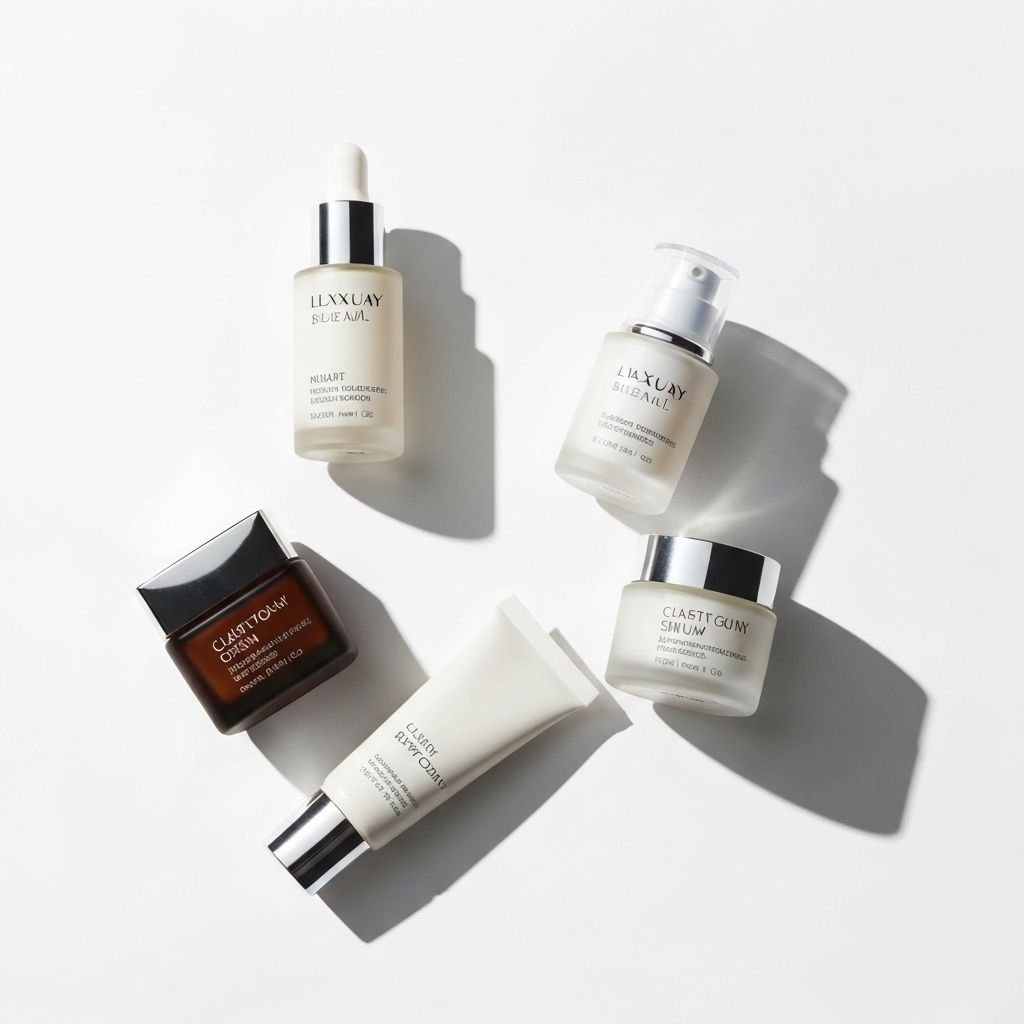
  • Everyday Beauty Routine: Simple Steps for Busy Mornings

    Everyday Beauty Routine: Simple Steps for Busy Mornings

    A beauty routine should support your day rather than take over your morning. Social feeds can make it seem as if you need a shelf full of products and a complicated sequence to look put together. In practice, a few comfortable steps often work better because you can repeat them. This guide offers a flexible framework for skin, hair and makeup, with options for busy mornings and quieter evenings. Choose what suits your preferences and skip anything that does not serve you. There is no single correct way to feel polished.

    Start with a clean, comfortable base

    Think of skincare as the foundation, not a race to layer the most products. A gentle cleanser, moisturizer suited to your skin and daytime sun protection are enough to form a basic routine for many people. The American Academy of Dermatology recommends gentle cleansing and broad-spectrum sunscreen with SPF 30 or higher when choosing sun protection. If your skin is easily irritated, introduce products one at a time and pay attention to how it responds. A dermatologist can help with persistent concerns.

    Keep morning and evening simple

    In the morning, you may prefer a light cleanse or simply follow the routine that feels comfortable for your skin. Apply moisturizer when needed, then sunscreen to exposed skin as directed on the label. At night, remove makeup and cleanse before bed. Keep products where you can reach them, and give yourself enough time to use them consistently. Our beginner skincare routine explains how to keep this part of the day straightforward.

    Choose a five-minute face

    If you enjoy makeup, pick two or three features that make the biggest difference to you. That might mean groomed brows, mascara and lip color, or a little concealer and cream blush. You do not need to cover every area of your face to look ready. Start with a small amount of product and build only where you want it. Blend in daylight when possible, because bathroom lighting can hide edges and change how shades appear.

    Use familiar everyday products

    A five-minute routine is easiest when products are familiar. Keep a small everyday set together, and save experimental colors for days when you have time to play. A cream blush can be applied with clean fingers, while a lip tint can be reapplied without a mirror. If you want a fuller walkthrough, our natural makeup look guide offers a step-by-step version you can simplify.

    Quick takeaways

    • Pick two or three features to emphasize.
    • Apply a little product and build only where you want it.
    • Keep a compact set of familiar products together.

    Make hair manageable

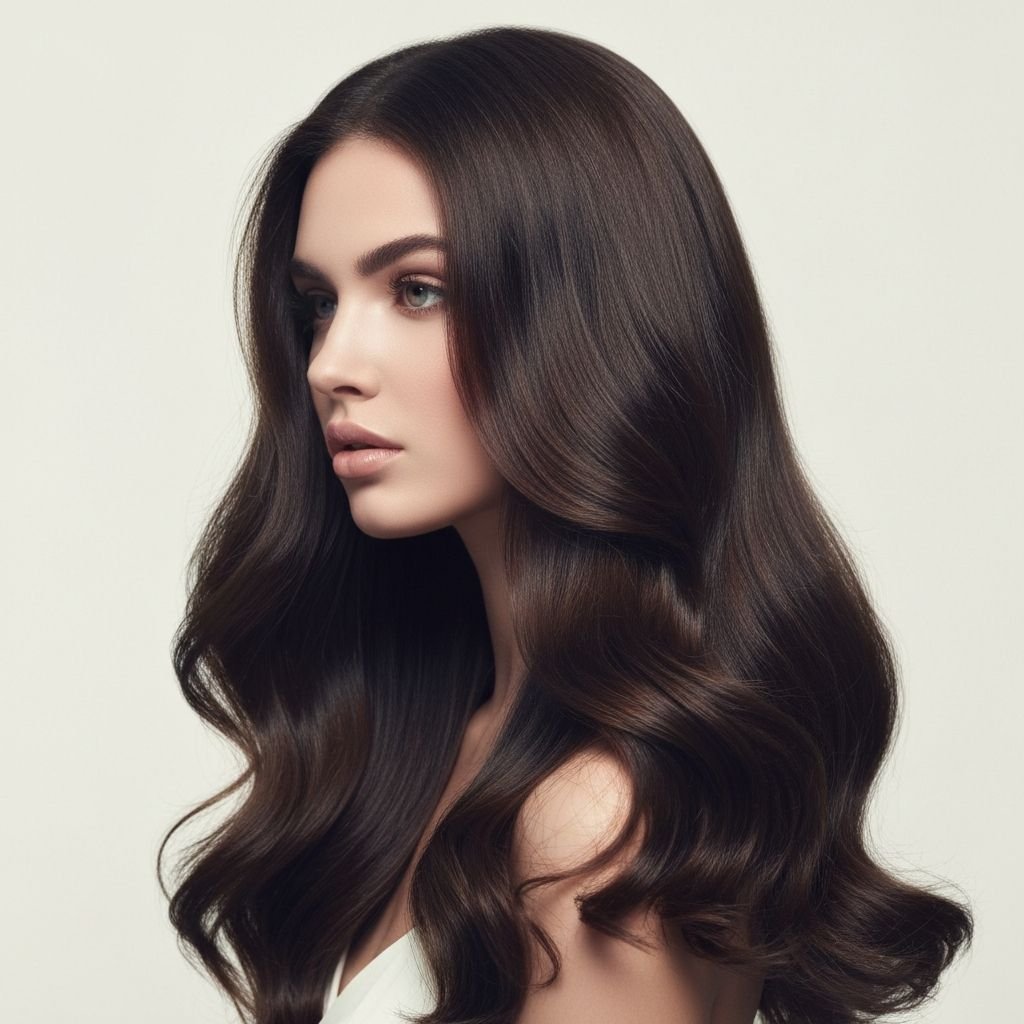
    Hair does not need to be freshly styled every morning to look intentional. Choose two simple options for the days between washes, such as a low bun, a loose braid, a clip or a smooth ponytail that does not pull tightly. Keep a brush or comb and the accessory you actually use in one place. If heat styling is part of your routine, use a suitable heat protectant and avoid unnecessary high heat. The goal is a repeatable option that respects your hair’s texture and your schedule.

    A good routine begins with observing how your scalp and lengths feel, not following someone else’s wash calendar. Hair types and styling habits vary. Wash when your scalp needs it and use conditioner in a way that suits your hair. The healthy hair habits guide explores gentle washing, drying and styling choices in more detail. On rushed days, a neat part and one reliable accessory can be enough.

    Prepare your tools and space

    The environment around a routine affects how easy it is to keep. Put your most-used products at eye level, clear a little counter space and make sure brushes or sponges are clean. Store backups separately so they do not crowd your daily choices. If a product is awkward to open or always gets lost in a drawer, move it or decide whether it belongs in the routine at all. Convenience is not a luxury; it is what helps a routine survive busy weeks.

    Look at your collection before buying something new. You may already have three lip shades that do the same job, or a product that works better in another season. Check expiration guidance on packaging, especially for eye products. Wash tools according to the maker’s instructions and replace them when they no longer perform well. A compact, tidy setup makes it easier to see what you own and use it fully.

    Match the routine to the day

    Not every day calls for the same effort. A workday might suit a quick base, tidy hair and comfortable lip balm; an evening out might invite a stronger eye or statement lip. Create a “minimum” routine that you can complete even when time is short, then add optional steps. This is more forgiving than a long checklist that feels like a failure when you skip it. The minimum can be as simple as care, sun protection and one detail that lifts your mood.

    Consider weather, travel and the clothes you plan to wear. Humidity may change how hair holds a style, while a long day may favor products that feel comfortable rather than heavy. A scarf or accessory can make the whole look feel composed without adding another makeup step. Our silk scarf styling ideas show how one piece can connect hair, makeup and outfit choices.

    Keep evening care gentle

    At the end of the day, remove makeup thoroughly but gently and cleanse according to your skin’s needs. Moisturize if your skin feels dry. You do not need to try a new treatment every night. If you use an active product, follow its directions and be alert to irritation. Persistent redness, pain or worsening symptoms deserve advice from a qualified health professional rather than another social-media recommendation.

    Prepare for tomorrow

    An evening routine can also be a moment to reset tomorrow. Put clean tools back, choose a simple outfit and decide whether your hair needs washing in the morning. These small choices reduce decision-making when you wake up. If you have five minutes, prepare the products you will use, not a full display of every option. The less you have to search, the more likely the routine is to feel pleasant.

    Let your preferences lead

    Beauty advice is most useful when it gives you options, not a new standard to meet. You may love a bold lipstick and bare skin, or prefer no makeup at all. Neither choice needs an explanation. Notice which steps you enjoy and which feel like work. Keep the enjoyable ones, simplify the others and revisit your choices as seasons or priorities change. A routine should fit your life, not the other way around.

    If you enjoy exploring trends, try one at a time using products you already have. A different blush placement or softer brow shape can be tested without rebuilding your entire collection. Take a photograph in natural light and see whether you still like the result later in the day. That kind of small experiment gives you useful feedback without pressure to buy the product used in someone else’s tutorial.

    Final thought

    The best everyday beauty routine is the one you can return to comfortably. Start with gentle care, choose a few optional details and arrange your space so the steps feel easy. Make room for creativity when you have time and for simplicity when you do not. Feeling ready for the day has more to do with a routine that supports you than with how many products appear on the counter.

  • Beginner Skincare Routine: Cleanse, Moisturize, Protect

    Beginner Skincare Routine: Cleanse, Moisturize, Protect

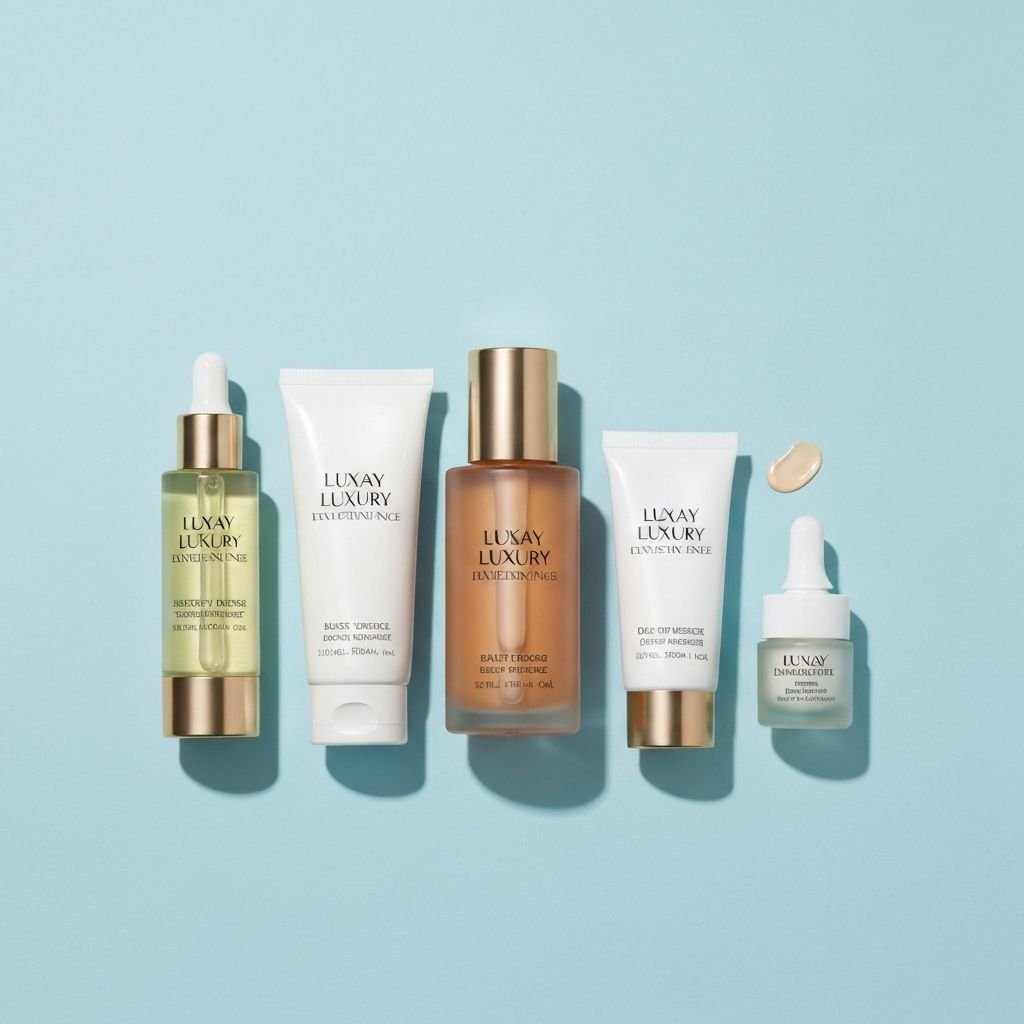
    Skincare can become confusing when every product promises a new transformation. A beginner routine does not need multiple acids, masks or a long list of steps. It needs a gentle way to clean the skin, a moisturizer that feels comfortable and protection from the sun during the day. This article explains how to build that foundation, how to notice your skin’s response and when to seek individual advice. Skin varies from person to person, so treat this as a starting point rather than a diagnosis or a promise of results.

    Learn what your skin needs

    Notice how your face feels a few hours after washing. Tightness or flaking can suggest dryness, while shine may be more noticeable in oilier areas. Some people have both. Sensitive skin may sting or react to products that others tolerate. These observations are more useful than trying to fit your skin into a rigid label. Weather, age and products can change how it feels, so give yourself permission to adjust the routine over time.

    Know when to ask for help

    If a product causes significant irritation, stop using it and seek advice from a dermatologist. Persistent acne, painful rashes or changes that concern you deserve a professional assessment. A skincare article cannot identify the cause from a description alone. For everyday care, begin with a few basic products so it is easier to tell what agrees with your skin. Avoid introducing several new formulas on the same day.

    Cleanse gently

    A gentle cleanser helps remove oil, dirt and residue without the need for rough scrubbing. Use lukewarm water, fingertips and a product that feels comfortable after rinsing. The American Academy of Dermatology advises gentle, non-abrasive cleansing and limiting face washing to twice a day and after sweating. Very hot water, harsh scrubs and repeated washing can leave skin feeling uncomfortable. If your skin feels tight after every cleanse, consider a gentler formula or ask a professional for guidance.

    Adjust morning and evening cleansing

    In the evening, cleansing helps remove the day’s sunscreen, makeup and buildup. If you wear heavier makeup, follow the remover’s instructions and rinse or cleanse as needed without rubbing hard. In the morning, some people prefer a cleanser; others with dry or sensitive skin may find a simpler approach more comfortable. Your routine can be adjusted to your skin rather than copied exactly from someone else’s shelf.

    Use a moisturizer you enjoy

    Moisturizer helps the skin feel comfortable and can reduce the feeling of dryness. A lightweight lotion may suit some people, while others prefer a richer cream. Apply it according to the product directions, often after cleansing while skin is still slightly damp. The price or length of the ingredient list does not tell you whether it will suit you. Look for a texture you will actually use and pay attention to how your skin feels through the day.

    If you are sensitive to fragrance, a fragrance-free option may be worth considering. Oily skin can still benefit from a suitable moisturizer; choose a texture that feels good rather than skipping the step automatically. Try new products gradually and avoid assuming that a tingling feeling means they are working. Comfort and consistency matter more than a dramatic sensation. A routine should make the skin easier to care for, not harder.

    Protect skin during the day

    Sun protection is an important daily step. The American Academy of Dermatology recommends a broad-spectrum, water-resistant sunscreen with SPF 30 or higher, along with shade and protective clothing when appropriate. Apply it to exposed skin according to the label and reapply as directed, especially after swimming or sweating. A product that feels pleasant on your skin is more likely to become part of your routine.

    Sunscreen is not only for beach days. Outdoor errands, walks and time near daylight can all be reasons to think about protection. Choose a formula you can use comfortably with your moisturizer and makeup, if you wear any. Check the expiration date and use the recommended amount. If you are unsure which type suits your skin or medical circumstances, a dermatologist can help you make an informed choice.

    Keep the order simple

    A practical morning sequence is gentle cleansing if needed, moisturizer and sunscreen. At night, remove makeup if worn, cleanse and moisturize. If your moisturizer already includes sunscreen, check that it offers the sun protection you need and follow the label. Keep the products visible so you remember the steps. You can build a reliable routine without adding a serum, toner or mask just because another person uses one.

    Change one product at a time

    Give a basic routine time before evaluating it. Changing several products every few days makes it difficult to know which one helps or irritates. Observe comfort, dryness and how easy it is to repeat the steps. If a product does not agree with you, stop and reassess rather than covering the reaction with more products. Small, consistent habits usually give you clearer information about what your skin prefers.

    Quick takeaways

    • Morning: cleanse if needed, moisturize, then use sunscreen.
    • Evening: remove makeup, cleanse gently, and moisturize.
    • Introduce new products one at a time and watch for irritation.

    Think carefully about extras

    Exfoliants, retinoids and other active products can have a place in some routines, but they are not required to begin. They can also irritate skin if used inappropriately or combined too quickly. If you have a specific concern, read reliable directions and consider professional advice before adding a treatment. Do not assume that a popular ingredient is right for every skin type. The basics should be comfortable before you experiment.

    When you decide to try something new, choose one product, follow the label and observe your skin. Avoid using an unfamiliar product for the first time right before an important event. If you experience persistent burning, swelling or a concerning reaction, stop and seek medical advice. Skincare should be adaptable and sensible, especially for people whose skin is already sensitive or under treatment.

    Connect skincare to the rest of your routine

    A comfortable base can make makeup application feel easier, but the two do not need to be complicated. Let moisturizer and sunscreen settle as directed before applying a small amount of makeup, if you want it. Our natural makeup look guide starts with a light touch and builds only where desired. For a wider daily rhythm that includes hair and beauty choices, see the simple everyday beauty routine.

    Skincare also belongs in real life rather than only at a vanity. Keep a travel-sized version of what you actually use when away from home and store products according to their labels. Replace items when they expire or change noticeably. If you miss a day, resume your usual routine instead of trying to compensate with extra steps. Consistency is easier when the routine is practical.

    Final thought

    Start with a gentle cleanser, a comfortable moisturizer and appropriate daytime sun protection. Pay attention to your skin, make one change at a time and ask a dermatologist about persistent or painful concerns. This simple foundation leaves room for personal choice without making every new product feel essential. A good beginner routine is clear enough to remember and flexible enough to grow with you.

  • Natural Makeup Look: A Step-by-Step Everyday Guide

    Natural Makeup Look: A Step-by-Step Everyday Guide

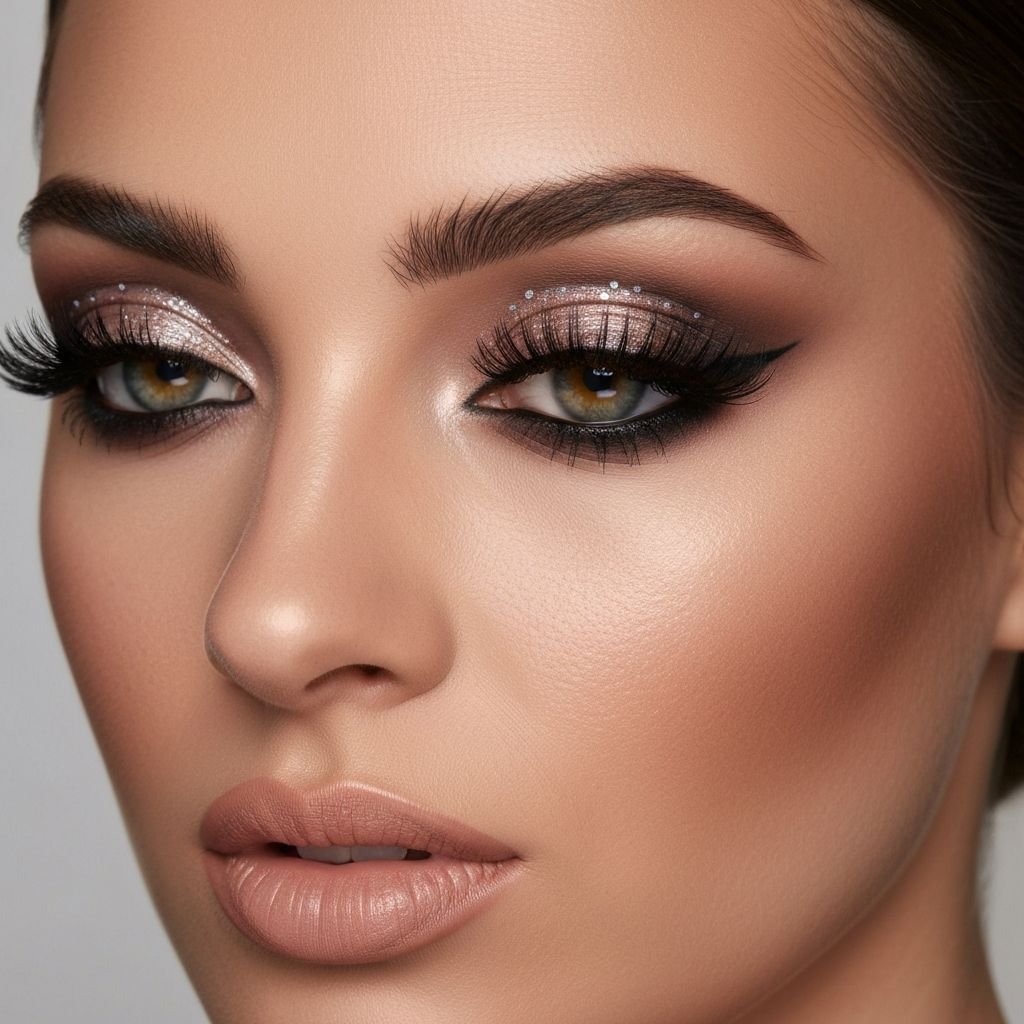
    A natural makeup look is less about using no makeup and more about choosing where a little color and definition help you feel like yourself. It can be a five-minute weekday routine or a more considered look for a relaxed event. You do not need to hide every freckle, reshape every feature or buy a full set of new products. This guide walks through preparation, base, brows, eyes, cheeks and lips, with options you can leave out. Use the steps that suit your skin, your time and the finish you enjoy.

    Prepare the skin first

    Makeup tends to feel more comfortable on skin that has been cared for gently. Start with a clean face and use moisturizer if your skin needs it. During the day, apply appropriate sunscreen according to its directions before makeup. Allow products a moment to settle so your base does not move around. If a sunscreen or moisturizer pills beneath makeup, try using less product at once, allowing more time between layers or choosing formulas that work better together.

    Preparation does not require a primer for everyone. If you already have one that helps a particular area, use it there rather than adding it out of habit. Dry patches may need a little more moisture, while areas that become shiny may benefit from a lighter texture. Our beginner skincare guide covers a simple care routine to use under makeup. The goal here is comfort, not a perfectly smooth surface.

    Choose a light base

    Decide whether you want foundation, a tinted product or only concealer. Apply a small amount to the areas where you want coverage, then blend outward. A sponge, brush or clean fingers can all work; choose the tool you find easiest to control. Look at the result in daylight and add more only where needed. Keeping some of your natural skin visible often makes the look feel fresh and easier to maintain through the day.

    Match shade before adding coverage

    Shade matching matters more than the amount of coverage. Test a product along the jaw and consider how it looks after a little time, because some formulas change as they dry. Avoid using a very light concealer over every spot; a shade close to your skin can look more seamless. If you prefer no base at all, skip it. Natural makeup is an approach to balance, not a required sequence of products.

    Quick takeaways

    • Begin with a clean, comfortable skin-care base.
    • Use a small amount of tint or concealer where desired.
    • Blend in daylight and add coverage only if needed.

    Give brows a little structure

    Brows can frame the face with very little effort. Brush them in the direction they naturally grow and see whether any sparse area actually needs filling. If it does, use short, light strokes rather than drawing one solid shape. A pencil, powder or tinted gel can work, but you need only one that you can use comfortably. Step back from the mirror to check the overall effect instead of focusing on each tiny gap.

    Keep the shape soft

    Brow shapes are personal and need not be identical. Follow your natural arch and avoid trying to force both sides into the same exact line. A clear gel may be enough if your brows are already full. If you overfill, brush through with a clean spoolie to soften the color. This small adjustment often makes the face look finished without making the brows the strongest part of the look.

    Define the eyes softly

    For everyday eyes, choose one neutral shade close to your skin tone or slightly deeper. Sweep it across the lid and blend the edge. You can add a little definition near the lash line with a pencil or a small brush and shadow. Keep the line close to the lashes rather than creating a sharp wing unless that is your signature style. A light hand and a few seconds of blending make the result easier to wear.

    Curl lashes if you enjoy doing so, then apply mascara from the roots with a gentle wiggle. One coat may be enough; add another only if you like the effect. If mascara smudges on you, consider a formula that suits your needs or use less on the lower lashes. Eye makeup should feel comfortable. If a product causes irritation, remove it and avoid using it again until you understand the cause.

    Add color to the cheeks

    Blush can bring warmth back after base makeup. Start with a small amount on the area of the cheeks where you naturally flush and blend toward the hairline. Cream, liquid and powder textures can all work; the easiest one is the one you can apply evenly. Peach, rose and berry tones create different moods, but there is no universal shade for everyone. Try a color in daylight to see how it sits with your own undertone.

    Bronzer and highlighter are optional. If you use bronzer, place it lightly where you want warmth rather than using it to redraw the face. A subtle highlight can be a natural skin finish rather than a separate shimmering product. Blend everything together, then look at the whole face. If one area feels too strong, soften the edges with a clean brush or sponge instead of starting over.

    Finish with comfortable lips

    A tinted balm, sheer lipstick or soft lip color can complete the look without careful maintenance. Choose a shade you can reapply easily, especially on long days. If your lips feel dry, start with a comfortable balm and let it settle. A defined lip line is optional; you can use a pencil close to your natural lip color when you want more structure. The result can be as quiet or expressive as you like.

    Think about how your lip color relates to the cheeks rather than trying to match them exactly. Warm tones can sit together, and cooler tones can create a different effect. If you choose a bolder lip, you may prefer to keep the eyes simple. That balance is one reason a natural look is so flexible. One statement detail can still feel effortless when the rest of the makeup is restrained.

    Check the look in real light

    Before leaving, glance at your makeup in daylight or a neutral light. Check the jawline, hairline and under-eye area for unblended edges. Move your face and smile; a look should feel comfortable as well as photograph well. Carry only the product you expect to touch up, such as lip balm or a small powder. A large makeup bag is rarely necessary for a routine you know well.

    Touch up only what needs it

    If makeup fades, notice where and when rather than immediately adding more layers. Your skin type, weather and product textures all affect wear. Blotting or a small touch-up may be enough. At night, remove makeup gently and return to your basic care routine. Our everyday beauty routine connects these steps with realistic morning and evening habits.

    Make the look your own

    Natural does not have to mean identical from person to person. For one reader it may be clear skin and a red lip; for another, a fuller brow and no foundation. Save a photograph of a result you like and note which products and steps you used. That record helps you recreate it without guessing. When you want to experiment, change one detail rather than everything at once.

    You can also take inspiration from outfit choices. A relaxed shirt and jeans may suit a barely-there face, while a polished jacket might invite a stronger lip. See our capsule wardrobe guide for outfit formulas that are easy to pair with a simple makeup routine. Getting ready can feel cohesive without being complicated.

    Final thought

    Begin with comfortable skin, add definition where you enjoy it and stop when the look feels right. You can use every step in this guide or only two. The best natural makeup routine is one you can repeat, adapt and wear with confidence through an ordinary day.

  • Healthy Hair Habits: A Simple Everyday Care Guide

    Healthy Hair Habits: A Simple Everyday Care Guide

    Healthy-looking hair rarely comes from one miracle product. Everyday choices around washing, conditioning, drying and styling can make a bigger difference to how hair feels and behaves. Hair texture, scalp oil, color treatments and climate all affect what works for an individual. This guide focuses on gentle habits you can adapt rather than a fixed schedule or expensive shopping list. If you notice sudden hair loss, scalp pain or persistent irritation, speak with a dermatologist or another qualified health professional for advice specific to you.

    Wash according to your scalp

    A wash schedule should respond to your scalp and hair, not a rule from someone with a different texture. Some people need to shampoo more often because oil builds up quickly; others find less frequent washing more comfortable. Apply shampoo primarily to the scalp and let the rinse carry it through the lengths. Use your fingertips gently rather than scratching hard. The American Academy of Dermatology recommends choosing a washing frequency that fits how oily or dirty the hair becomes.

    Adjust your wash schedule

    Pay attention to signs that your routine needs adjusting. Hair that feels heavy with buildup may need more thorough cleansing, while lengths that feel dry may need a gentler approach. Product buildup, sweat and styling habits can change the balance from week to week. A clarifying product may help some routines when used according to directions, but it is not an everyday requirement for everyone. Keep the process simple enough that you can observe what helps.

    Condition the lengths

    Conditioner can make hair easier to detangle and reduce friction during styling. Apply it where your hair needs it, often through the mid-lengths and ends, and follow the product directions. Fine hair may prefer a lighter formula; thicker or drier hair may enjoy a richer texture. The right amount depends on length and density. More product does not automatically mean a better result if it leaves the hair limp or coated.

    Detangle with patience

    Detangle with patience, especially when hair is wet and more vulnerable to stretching. Start near the ends and work upward with an appropriate comb or brush. If a knot resists, add a little conditioner or detangling product rather than pulling sharply. A leave-in product may suit some hair types, but it should complement rather than replace the rinse-out product unless its instructions say otherwise. Aim for easier handling, not a complicated shelf.

    Dry with less friction

    Rubbing hair vigorously with a towel can roughen the strands and create tangles. Instead, gently squeeze out water and use a soft towel or suitable fabric to absorb excess moisture. If you air-dry, arrange the hair in the shape you want while it is damp. If you blow-dry, keep the tool moving and use a comfortable setting. Avoid holding intense heat close to one section for too long.

    Your drying method can be adjusted to your texture. Curly hair may respond well to minimal disturbance while it dries, whereas straight hair may be easier to shape with a brush and moderate airflow. Try one change at a time and notice whether the result feels smoother or easier to manage. There is no need to force a method that takes too long or leaves your hair uncomfortable.

    Use heat thoughtfully

    Heat tools can be useful, but excessive heat may damage the hair. The American Academy of Dermatology advises using lower heat settings and limiting how often heat is applied. Follow the tool’s instructions, avoid repeatedly passing over the same section and use a heat protection product when appropriate. Let hair dry to the level recommended for the tool before styling; a flat iron, for example, is not intended for wet hair unless designed for it.

    Try a second-day style

    Consider whether every day needs a freshly styled finish. A loose braid, low bun, clip or scarf can make a second-day look feel deliberate. Our silk scarf ideas include an easy hair accessory option. When using ties, choose ones that do not snag and avoid pulling the hair very tightly for long periods. Comfort is a useful sign that a style fits your day.

    Be gentle with color and treatments

    Coloring, bleaching and chemical services can change how hair feels and how much care it needs. Follow the instructions from a qualified professional or the product maker and allow enough time for maintenance. If hair is already fragile, avoid stacking new treatments without advice. A conditioner or mask may improve the feel of dry lengths, but it cannot undo every kind of damage. Trimming split ends can help the hair look tidier as it grows.

    Think through the upkeep before choosing a major change. How often will it need refreshing? Can your current routine support it? A striking color can be fun, but it should fit your budget and time. If you are unsure, try a less permanent option or discuss the plan with a professional stylist. Your everyday experience with the hair matters more than the first photograph after an appointment.

    Protect hair in daily life

    Weather, sleep and friction can affect the way hair looks by morning. A loose hairstyle at night may help prevent tangles, while a soft pillowcase can feel more comfortable for some people. Protect hair from strong sun and wind with a hat or scarf when practical. If you swim, rinse and care for hair according to your texture and the pool or sea conditions. These habits do not need to become another strict checklist.

    Notice where breakage or tangles happen repeatedly. It may be the same tight hairstyle, a rough accessory or a bag strap rubbing against the lengths. Changing one of those small daily habits can be more useful than buying another serum. For a broader getting-ready routine, see our simple everyday beauty guide. A dependable hair option can save time alongside makeup and outfit choices.

    Build a routine you can repeat

    Choose a wash-day sequence you can remember: cleanse the scalp, condition the lengths, detangle gently and dry in a way that suits your texture. Add one styling product only if it solves a clear need, such as hold, definition or comfort. Keep track of how the hair feels after a few washes before deciding whether a product works. It is easy to mistake a single humid day for a product problem.

    Storage and tool care matter as well. Clean brushes and combs regularly, follow appliance safety instructions and replace worn accessories that snag. If you have a persistent scalp issue, seek professional guidance rather than repeatedly switching products at random. A simple, adaptable routine gives you a clearer baseline and makes it easier to notice when something changes.

    Quick takeaways

    • Cleanse the scalp when it needs washing.
    • Condition and detangle the lengths gently.
    • Dry and style with as little avoidable heat and friction as practical.

    Final thought

    Good hair care is a collection of gentle decisions, not a perfect product lineup. Wash for your scalp, condition where needed, reduce avoidable friction and use heat with care. Keep styles comfortable and seek professional help for concerning changes. When the routine fits your texture and real schedule, hair becomes easier to manage without taking over the day.

  • Celebrity-Inspired Outfits You Can Wear Every Day

    Celebrity-Inspired Outfits You Can Wear Every Day

    Celebrity street-style photographs can be inspiring, but a memorable look does not require designer labels or a red-carpet schedule. What often makes an outfit stand out is a clear idea: strong proportions, a repeatable color story or one unexpected accessory. This guide translates those ideas into everyday outfit formulas you can build from clothes you already own. The focus is on observing styling choices rather than copying a person exactly. Your climate, comfort and budget should shape the finished version.

    Look for the formula beneath the label

    When you see an outfit you like, ignore the brand names at first. Ask what the structure is: oversized jacket plus narrow trousers, monochrome pieces plus a bright bag, or a soft dress beneath a tailored coat. Write the formula in plain words and look for similar roles in your closet. A jacket need not be identical to the photograph to create the same balance. This approach turns a fleeting image into a useful idea.

    Make the idea wearable

    Pay attention to what makes the outfit wearable. Are the shoes practical? Does the layer suit the weather? Would you feel comfortable sitting, walking and working in it? If not, adapt the formula. Style inspiration is a starting point, not a set of instructions. You can keep the proportion you love while changing the fabric, heel height or color to suit an ordinary day.

    Quick takeaways

    • Notice the silhouette and color story.
    • Find pieces with similar roles in your own closet.
    • Adapt shoes, layers and fabrics to your day.

    Try the tailored layer

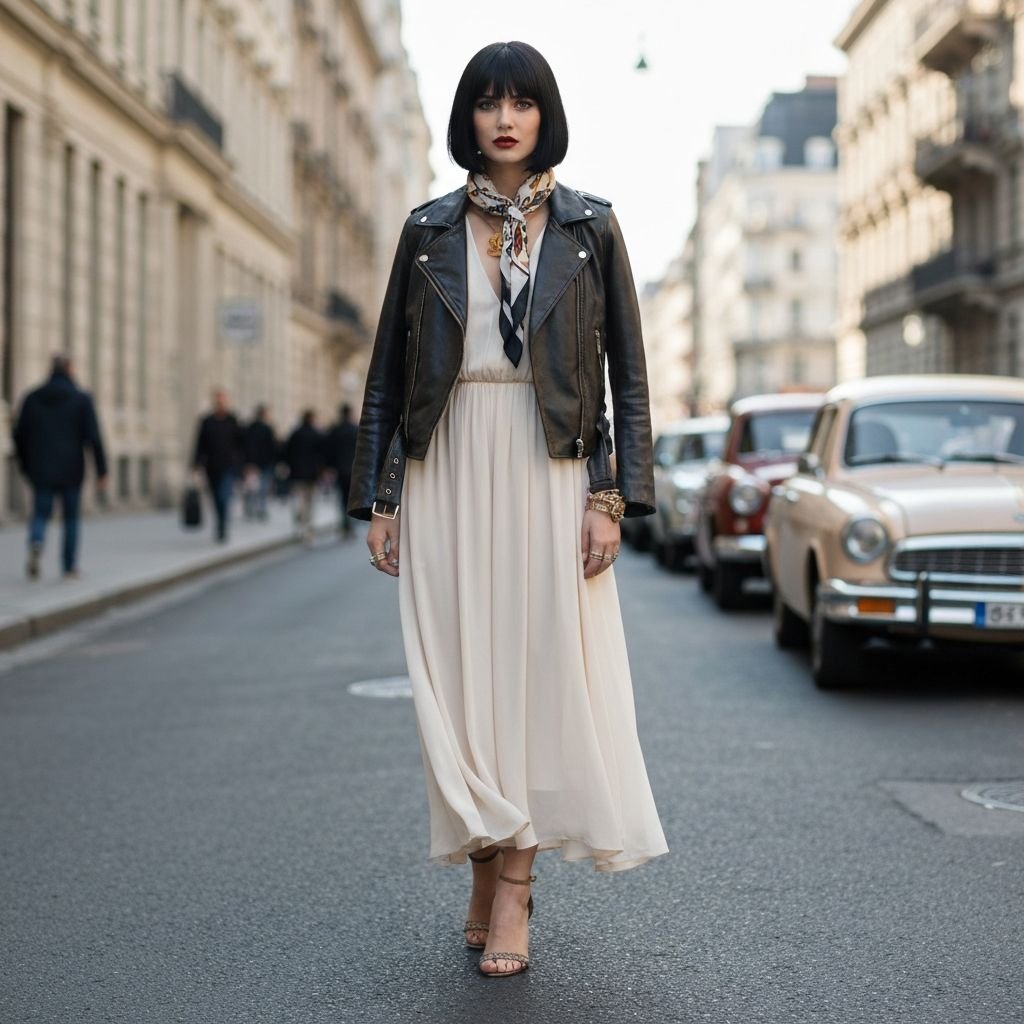
    One common polished formula is a simple base topped with a structured jacket. Start with jeans or comfortable trousers and a tee, shirt or fine knit. Add a blazer, tailored vest or clean-lined coat. The layer creates shape even when the pieces underneath are relaxed. Roll a sleeve or leave the jacket open if that feels more natural. Keep the shoes in line with your plans, from flats to clean sneakers.

    Relax the styling

    Fit matters more than price here. A jacket that sits well at the shoulder and moves comfortably can elevate a familiar outfit. If the shape feels too formal, pair it with denim or a softer fabric. If it feels too boxy, try a narrower bottom or define the waist. Our capsule wardrobe guide shows how to build multiple outfits around versatile layers and bottoms.

    Use one-color dressing

    Wearing related shades from head to toe creates a calm, intentional look. You might combine cream with ivory, different tones of brown, or dark navy with denim. Exact color matching is not required; in fact, slight variation often adds depth. Mix textures so the outfit does not feel flat: knit with cotton, denim with a smooth shirt, or a soft scarf with a structured coat.

    Add a point of contrast

    If a full monochrome outfit feels too plain, add a contrasting accessory or shoe. A burgundy bag against neutrals can become the focal point. For a more subtle version, keep the accessory in the same color family but change the finish. Use pieces you already own to test the idea before buying anything. A one-color formula can be a useful shortcut on mornings when coordinating several colors feels like too much work.

    Balance volume

    Many striking outfits play with proportion. A roomy shirt can work with straight or slimmer trousers; wide-leg trousers can sit well with a more fitted top or cropped jacket. These are options, not rules about body shape. The purpose is to create a silhouette you like and can move in. Stand back from the mirror and look at the whole outfit rather than judging one garment in isolation.

    Small adjustments make a difference. Half-tuck a shirt, change the jacket length or switch from a bulky shoe to a sleeker one. Photograph two versions and compare what feels most like you. If oversized pieces are your signature, wear them together with confidence; perhaps show a wrist, collar or waistline for visual definition. There is no requirement to copy the exact proportions of a celebrity photograph.

    Make accessories do the work

    Accessories often turn a simple base into a recognizable look. Sunglasses, earrings, a belt, a bag or a scarf can each provide one clear point of interest. Choose one or two rather than adding everything at once, unless a more maximal style is genuinely yours. A scarf is especially flexible because it can move from neck to hair to bag. See our five silk scarf styling ideas for practical examples.

    Think about the role of an accessory before buying it. Does it add color to several outfits? Can you carry it comfortably? Will you wear it more than once? A smaller collection of frequently used details can be more useful than many pieces kept for a hypothetical occasion. The best finishing touch feels effortless because it works with the clothes you actually wear.

    Adapt event style for daytime

    A dramatic evening look can inspire a quieter daytime outfit. Translate a satin dress into a satin shirt with jeans, a sparkling accent into modest earrings, or a sharp suit into one tailored piece with a casual base. Keep the part you admire and lower the formality elsewhere. This makes inspiration useful beyond parties and photographs.

    Occasion dressing also depends on context. A work meeting, family dinner and outdoor event ask for different levels of polish and comfort. Prepare one dependable formula for each kind of plan. Then you can change a color or accessory without rebuilding the outfit. If you enjoy pairing style with makeup, the natural makeup guide offers a flexible face that can be softened or dressed up.

    Build your own reference folder

    Save images because of a specific detail rather than the person wearing them. Label the idea: “long coat with denim,” “brown and cream,” or “bright scarf with a plain shirt.” After collecting a few, look for repeated patterns. Perhaps you always save relaxed tailoring or tonal outfits. Those patterns reveal your preferences more clearly than a long list of items to buy.

    Try recreating one idea each week with what you have. Note whether it works with your day and how it feels after several hours. If it does, add the formula to your outfit album. If it does not, adjust it or let it go. Personal style develops through wearing clothes, not just saving photographs. A reference folder should help you get dressed rather than make you feel that your closet is inadequate.

    Final thought

    Celebrity-inspired style works best when you borrow a principle and make it yours. Notice the silhouette, color and finishing detail; then choose versions that suit your body, schedule and budget. An outfit you can wear comfortably on an ordinary day is a better result than a perfect copy that stays in the closet.