
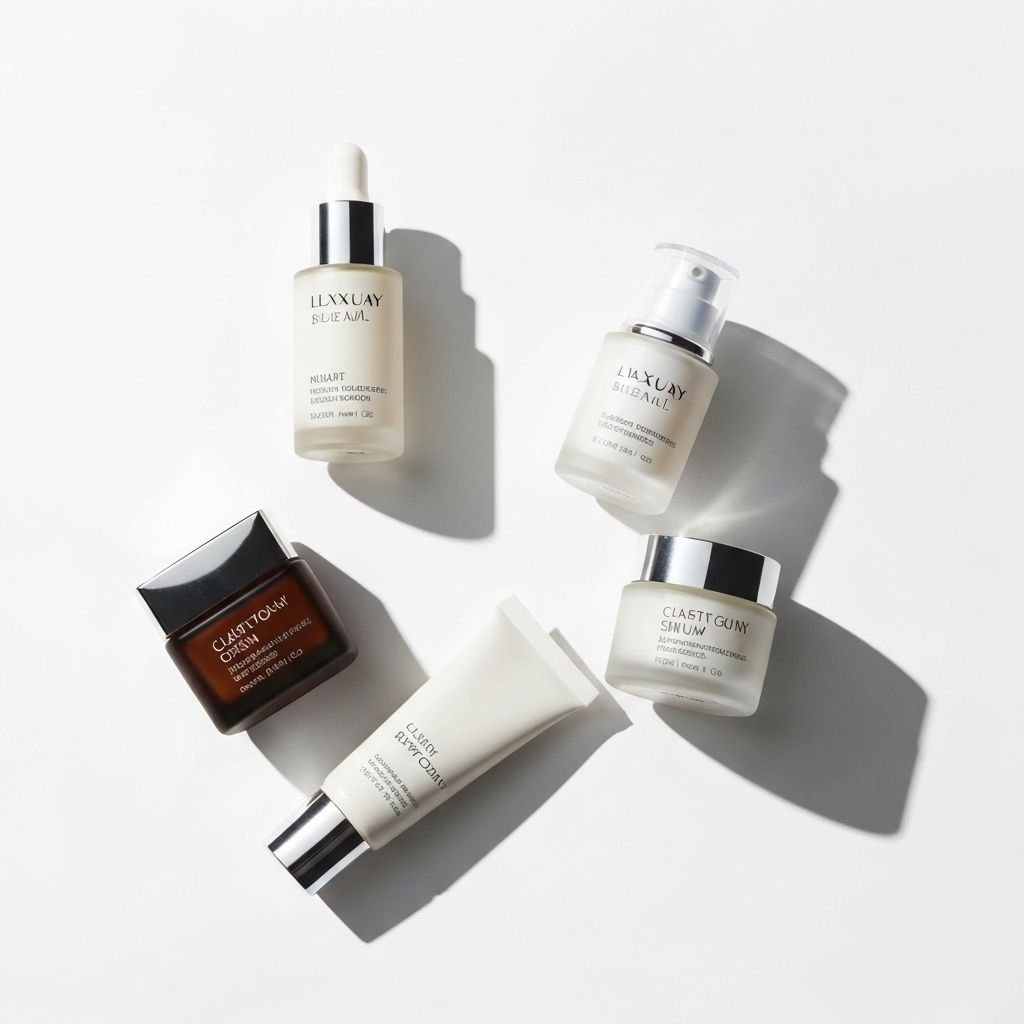
Skincare can become confusing when every product promises a new transformation. A beginner routine does not need multiple acids, masks or a long list of steps. It needs a gentle way to clean the skin, a moisturizer that feels comfortable and protection from the sun during the day. This article explains how to build that foundation, how to notice your skin’s response and when to seek individual advice. Skin varies from person to person, so treat this as a starting point rather than a diagnosis or a promise of results.
Learn what your skin needs
Notice how your face feels a few hours after washing. Tightness or flaking can suggest dryness, while shine may be more noticeable in oilier areas. Some people have both. Sensitive skin may sting or react to products that others tolerate. These observations are more useful than trying to fit your skin into a rigid label. Weather, age and products can change how it feels, so give yourself permission to adjust the routine over time.
Know when to ask for help
If a product causes significant irritation, stop using it and seek advice from a dermatologist. Persistent acne, painful rashes or changes that concern you deserve a professional assessment. A skincare article cannot identify the cause from a description alone. For everyday care, begin with a few basic products so it is easier to tell what agrees with your skin. Avoid introducing several new formulas on the same day.
Cleanse gently
A gentle cleanser helps remove oil, dirt and residue without the need for rough scrubbing. Use lukewarm water, fingertips and a product that feels comfortable after rinsing. The American Academy of Dermatology advises gentle, non-abrasive cleansing and limiting face washing to twice a day and after sweating. Very hot water, harsh scrubs and repeated washing can leave skin feeling uncomfortable. If your skin feels tight after every cleanse, consider a gentler formula or ask a professional for guidance.
Adjust morning and evening cleansing
In the evening, cleansing helps remove the day’s sunscreen, makeup and buildup. If you wear heavier makeup, follow the remover’s instructions and rinse or cleanse as needed without rubbing hard. In the morning, some people prefer a cleanser; others with dry or sensitive skin may find a simpler approach more comfortable. Your routine can be adjusted to your skin rather than copied exactly from someone else’s shelf.
Use a moisturizer you enjoy
Moisturizer helps the skin feel comfortable and can reduce the feeling of dryness. A lightweight lotion may suit some people, while others prefer a richer cream. Apply it according to the product directions, often after cleansing while skin is still slightly damp. The price or length of the ingredient list does not tell you whether it will suit you. Look for a texture you will actually use and pay attention to how your skin feels through the day.
If you are sensitive to fragrance, a fragrance-free option may be worth considering. Oily skin can still benefit from a suitable moisturizer; choose a texture that feels good rather than skipping the step automatically. Try new products gradually and avoid assuming that a tingling feeling means they are working. Comfort and consistency matter more than a dramatic sensation. A routine should make the skin easier to care for, not harder.
Protect skin during the day
Sun protection is an important daily step. The American Academy of Dermatology recommends a broad-spectrum, water-resistant sunscreen with SPF 30 or higher, along with shade and protective clothing when appropriate. Apply it to exposed skin according to the label and reapply as directed, especially after swimming or sweating. A product that feels pleasant on your skin is more likely to become part of your routine.
Sunscreen is not only for beach days. Outdoor errands, walks and time near daylight can all be reasons to think about protection. Choose a formula you can use comfortably with your moisturizer and makeup, if you wear any. Check the expiration date and use the recommended amount. If you are unsure which type suits your skin or medical circumstances, a dermatologist can help you make an informed choice.
Keep the order simple
A practical morning sequence is gentle cleansing if needed, moisturizer and sunscreen. At night, remove makeup if worn, cleanse and moisturize. If your moisturizer already includes sunscreen, check that it offers the sun protection you need and follow the label. Keep the products visible so you remember the steps. You can build a reliable routine without adding a serum, toner or mask just because another person uses one.
Change one product at a time
Give a basic routine time before evaluating it. Changing several products every few days makes it difficult to know which one helps or irritates. Observe comfort, dryness and how easy it is to repeat the steps. If a product does not agree with you, stop and reassess rather than covering the reaction with more products. Small, consistent habits usually give you clearer information about what your skin prefers.
Quick takeaways
- Morning: cleanse if needed, moisturize, then use sunscreen.
- Evening: remove makeup, cleanse gently, and moisturize.
- Introduce new products one at a time and watch for irritation.
Think carefully about extras
Exfoliants, retinoids and other active products can have a place in some routines, but they are not required to begin. They can also irritate skin if used inappropriately or combined too quickly. If you have a specific concern, read reliable directions and consider professional advice before adding a treatment. Do not assume that a popular ingredient is right for every skin type. The basics should be comfortable before you experiment.
When you decide to try something new, choose one product, follow the label and observe your skin. Avoid using an unfamiliar product for the first time right before an important event. If you experience persistent burning, swelling or a concerning reaction, stop and seek medical advice. Skincare should be adaptable and sensible, especially for people whose skin is already sensitive or under treatment.
Connect skincare to the rest of your routine
A comfortable base can make makeup application feel easier, but the two do not need to be complicated. Let moisturizer and sunscreen settle as directed before applying a small amount of makeup, if you want it. Our natural makeup look guide starts with a light touch and builds only where desired. For a wider daily rhythm that includes hair and beauty choices, see the simple everyday beauty routine.
Skincare also belongs in real life rather than only at a vanity. Keep a travel-sized version of what you actually use when away from home and store products according to their labels. Replace items when they expire or change noticeably. If you miss a day, resume your usual routine instead of trying to compensate with extra steps. Consistency is easier when the routine is practical.
Final thought
Start with a gentle cleanser, a comfortable moisturizer and appropriate daytime sun protection. Pay attention to your skin, make one change at a time and ask a dermatologist about persistent or painful concerns. This simple foundation leaves room for personal choice without making every new product feel essential. A good beginner routine is clear enough to remember and flexible enough to grow with you.