Looking for hairstyles that feel fresh without becoming difficult to wear? This guide brings together twelve options, from layered cuts and short bobs to curls, braids and simple updos. Some involve a salon appointment; others let you change your look using the hair you already have.
These are editorial picks inspired by current hairstyle coverage and Pinterest styling ideas, rather than a statistical ranking of the most popular looks. Choose according to your texture, density and routine. All twelve images are original AI-generated hairstyle illustrations, intended as visual inspiration rather than photographs of real salon results.
A useful reference shows the front, side and back, but the conversation with your stylist matters just as much. Explain how you usually dry your hair, whether you tie it up and how much time you want to spend styling. A hairstyle should fit your life as well as your inspiration board.
1. Butterfly Layers for Soft Movement
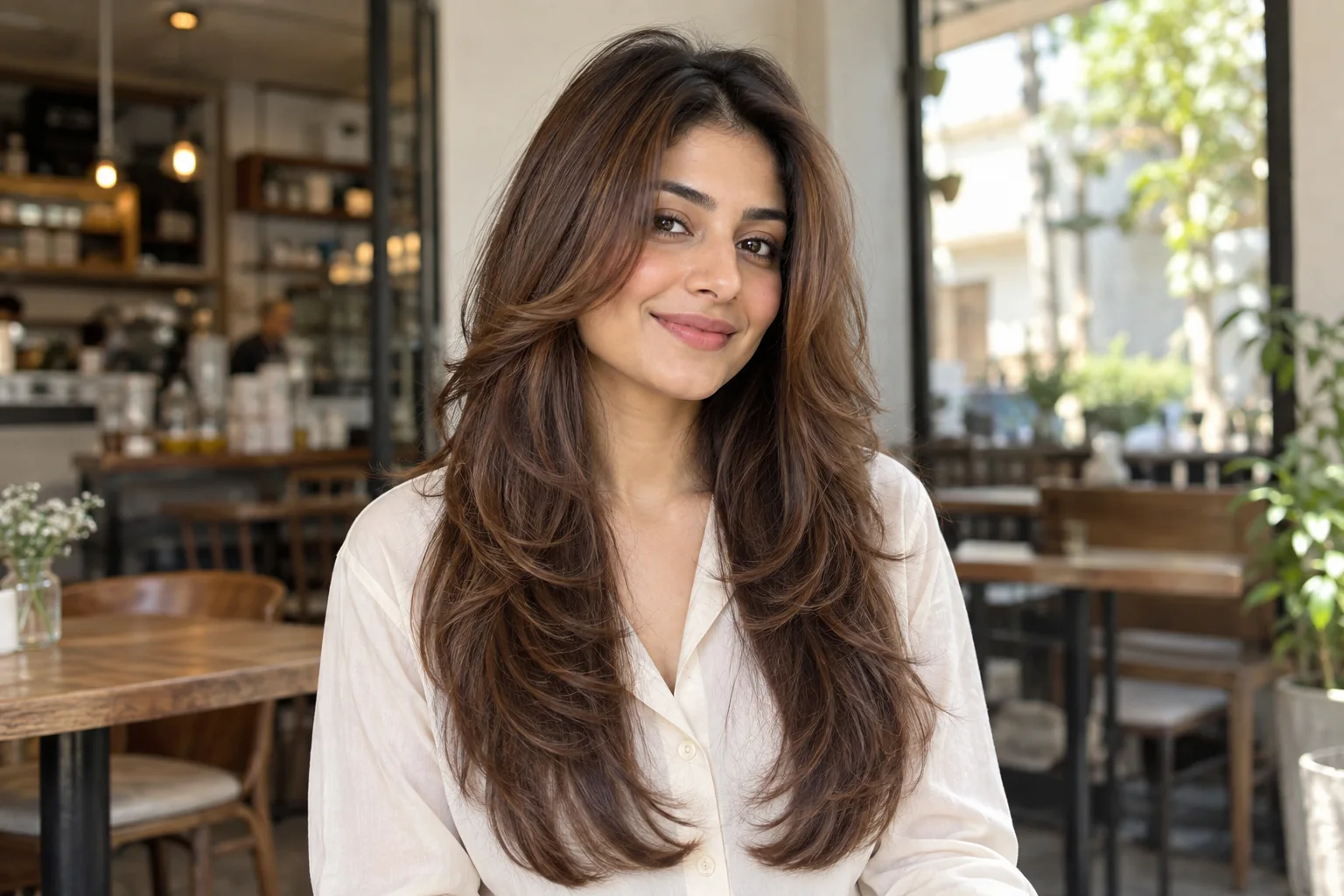
Butterfly layers create shorter pieces around the face while keeping length through the back. The airy shape is useful when you like long hair but want the front to feel lighter. A soft blowout makes the different lengths visible, although the cut can also look relaxed with your natural wave.
Ask your stylist where the shortest layer should begin and how it will blend into the rest. Hair density matters: removing too much weight can leave fine ends looking sparse. Start with longer face-framing pieces if you want a cautious change, and check whether those pieces will still reach your usual ponytail.
Style the Front First
Work with small front sections and direct them away from your face using a round brush or rollers. Let the shape cool before loosening it with your fingers. For more ideas about movement, read our soft volume hair guide.
2. Soft French Bob With Wispy Fringe

A French bob brings the focus close to the face, usually with a chin-length outline and a softly lived-in finish. The wispy fringe in this example keeps the shape lighter than a heavy straight bang. It feels deliberate without needing every strand to sit in exactly the same place.
Bring a front and side reference to your appointment. Explain whether you want to tuck the sides behind your ears and how much daily styling you can manage. A bob can be easy to wear, but maintaining a particular length still means returning for trims.
Keep the Finish Soft
Try a small amount of a styling product suited to your texture and gently bend the ends rather than creating tight curls. If your hair dries with a wave, work with that movement. A little natural irregularity is part of this hairstyle’s appeal.
3. Collarbone Lob for an Easy Length Change
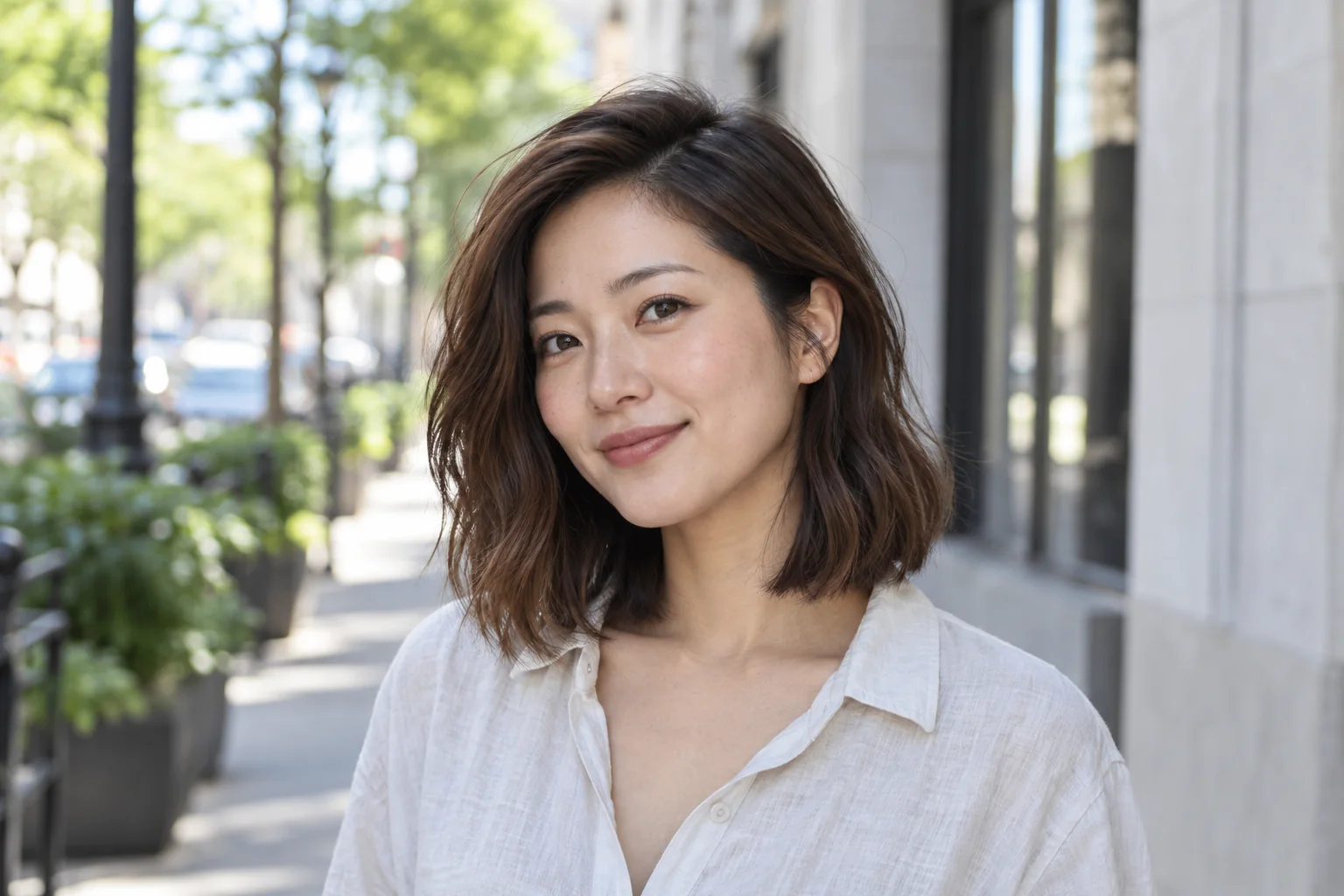
The collarbone lob sits between a short bob and longer hair, making it a useful option when you want a change without losing all your length. A clean outline and one loose bend can make the haircut look neat while preserving a relaxed feel.
Check where the ends will fall against your shoulders. Hair can kick outward at that point, which might be a detail you enjoy rather than something to correct. Ask your stylist how the proposed length behaves with your normal parting and drying routine.
Use One Gentle Bend
Create a loose curve through the mid-lengths and leave the tips relatively straight. Avoid repeatedly working the same section just to make both sides identical. A lob with slight variation often feels more natural than a rigid, perfectly matched finish.
4. Curtain Bangs With Long Layers
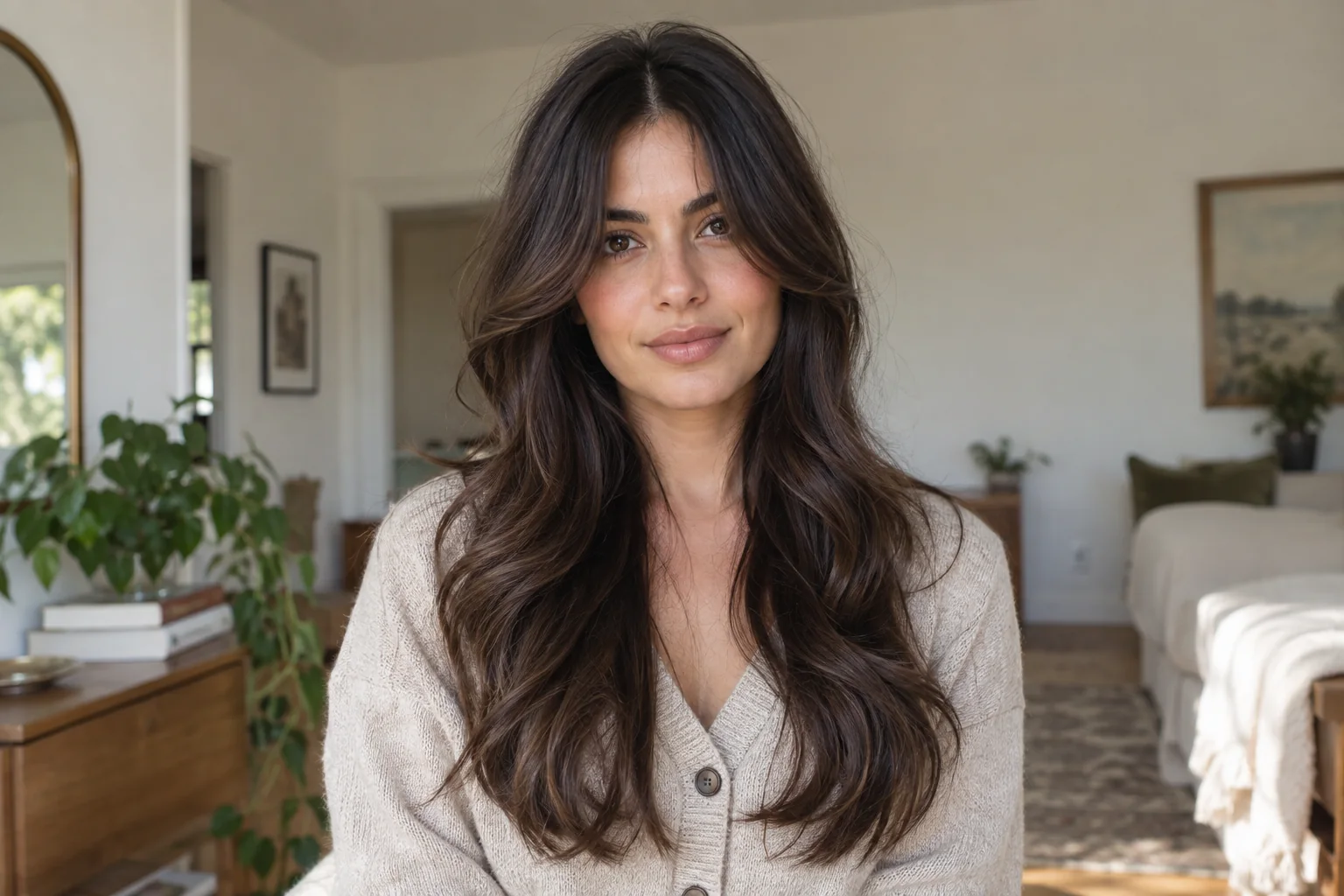
Curtain bangs divide near the centre and frame the face with longer pieces at the sides. They can refresh long hair while keeping most of its familiar shape. The transition into the layers is the important detail: a smooth blend usually feels easier to wear than an abrupt step.
Think about your hairline, cowlicks and preferred part before choosing the length. A photo shows the finished look, but your stylist can explain how much effort that fringe might take on your own hair. Begin a little longer if you want room to adjust.
Dry the Fringe Before It Sets
Style the fringe while it is still manageable, moving it gently across the forehead before directing each side outward. Use a light touch with products near the roots. Too much product can weigh down the airy shape you were trying to create.
5. Soft Modern Shag With Natural Texture

A modern shag uses layers around the crown and face to create a more textured outline. This softer version keeps the ends wearable and the fringe light. It is an appealing choice if you prefer hair that looks a little tousled rather than carefully smoothed.
The amount of layering should fit your density and curl pattern. Ask how the cut will look after air-drying, not only after a salon blowout. A shape that works with your natural movement can be more practical than one requiring you to restyle every section.
Encourage Movement Without Overworking
Scrunch lightly or arrange individual pieces with your fingers, then leave the hair alone as it dries. Choose a product based on your texture and desired hold. Touching and rearranging every strand can disrupt the soft finish and make styling take longer.
6. Textured Pixie With a Longer Crown
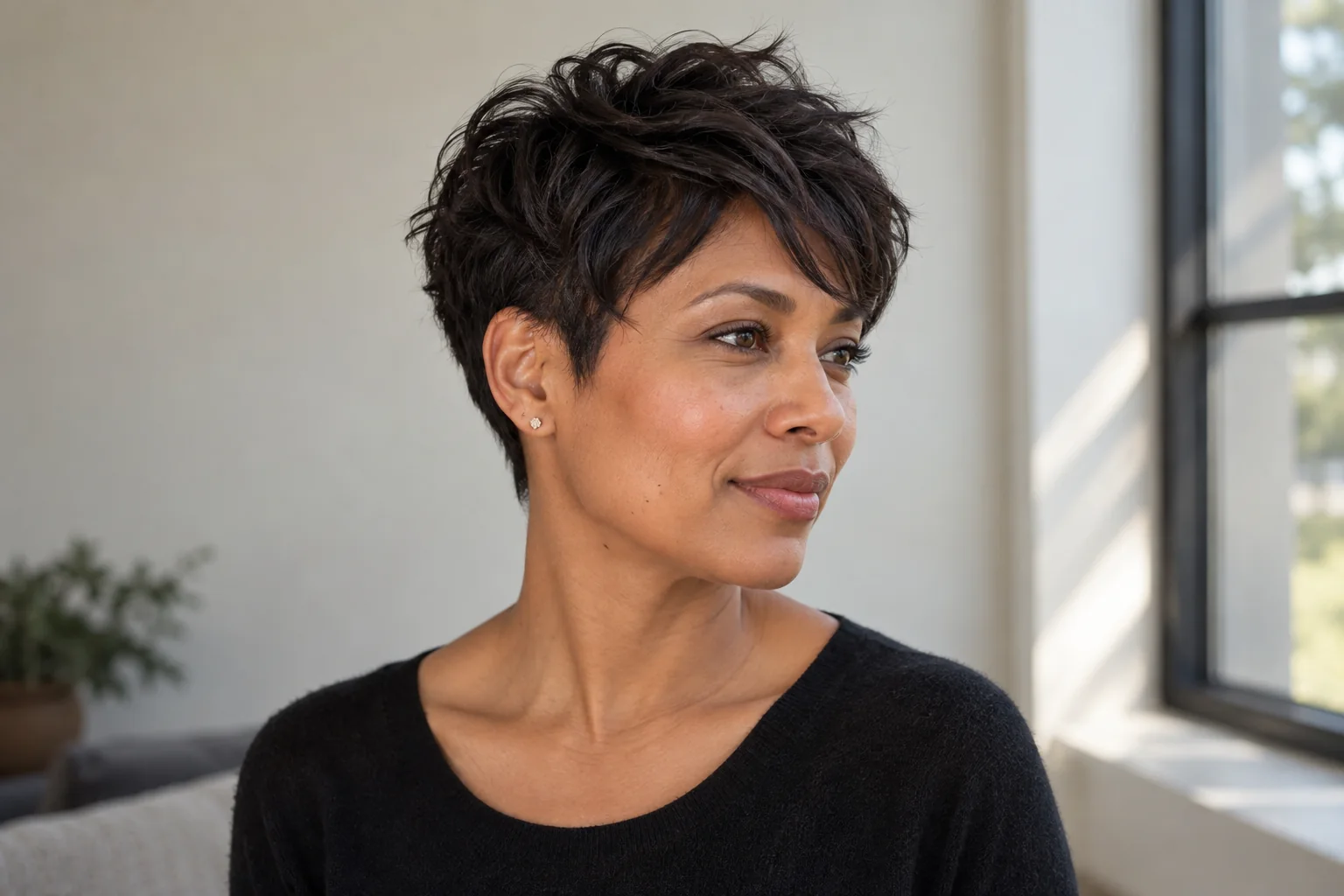
A textured pixie keeps the sides shorter while leaving enough length on top for a soft, piecey finish. The contrast creates a clear shape without needing a dramatic undercut. A longer fringe can also give you different ways to change the direction of the style.
Short hair deserves a proper consultation. Discuss your natural growth pattern, how often you want trims and whether you prefer a tidy or grown-out outline. Those decisions matter more than trying to copy another person’s face shape or exact hairline.
Use Product in Small Amounts
Warm a little suitable styling product between your fingers and separate a few pieces at the crown. Start with less than you think you need. You can add a touch more, but a heavy coating can flatten the texture and make the haircut feel stiff.
7. Natural Curly Bob With a Rounded Shape
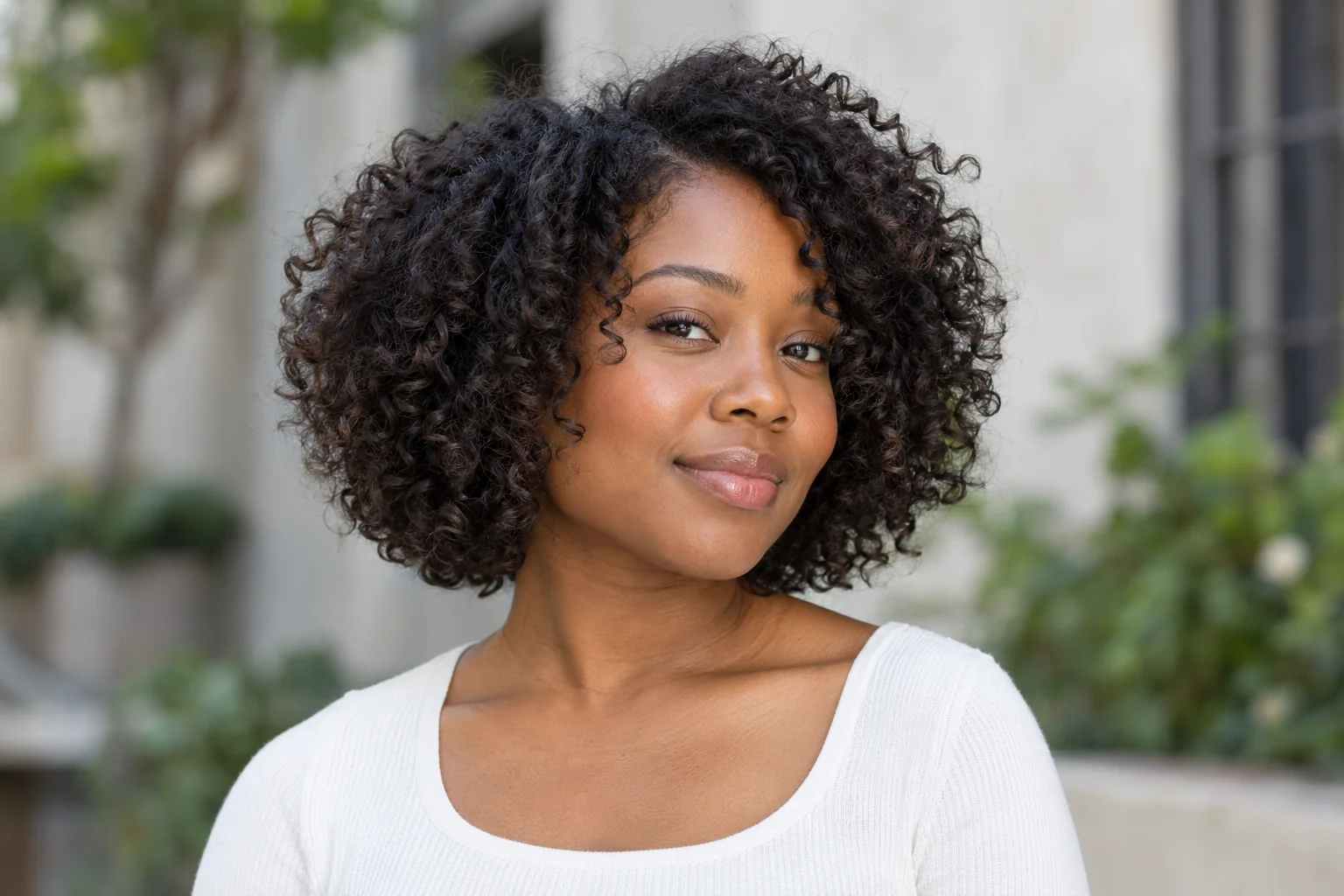
A curly bob lets the curl pattern become the main feature. The rounded outline in this example gives the hair a balanced shape while keeping individual curl clumps visible. Some gentle frizz is normal and can contribute to an authentic, soft appearance.
Talk with a stylist familiar with your texture about shrinkage and how the finished length will look when dry. Avoid choosing the cut solely from a straightened reference. Your usual styling routine should guide the shape, especially if you normally wear your curls naturally.
Keep Definition Flexible
Apply your preferred curl products in manageable sections and let the curls set before separating them. Adjust product amounts to your density rather than following a fixed quantity. Our healthy hair habits guide offers more everyday care ideas.
8. Loose Everyday Waves With Straight Ends
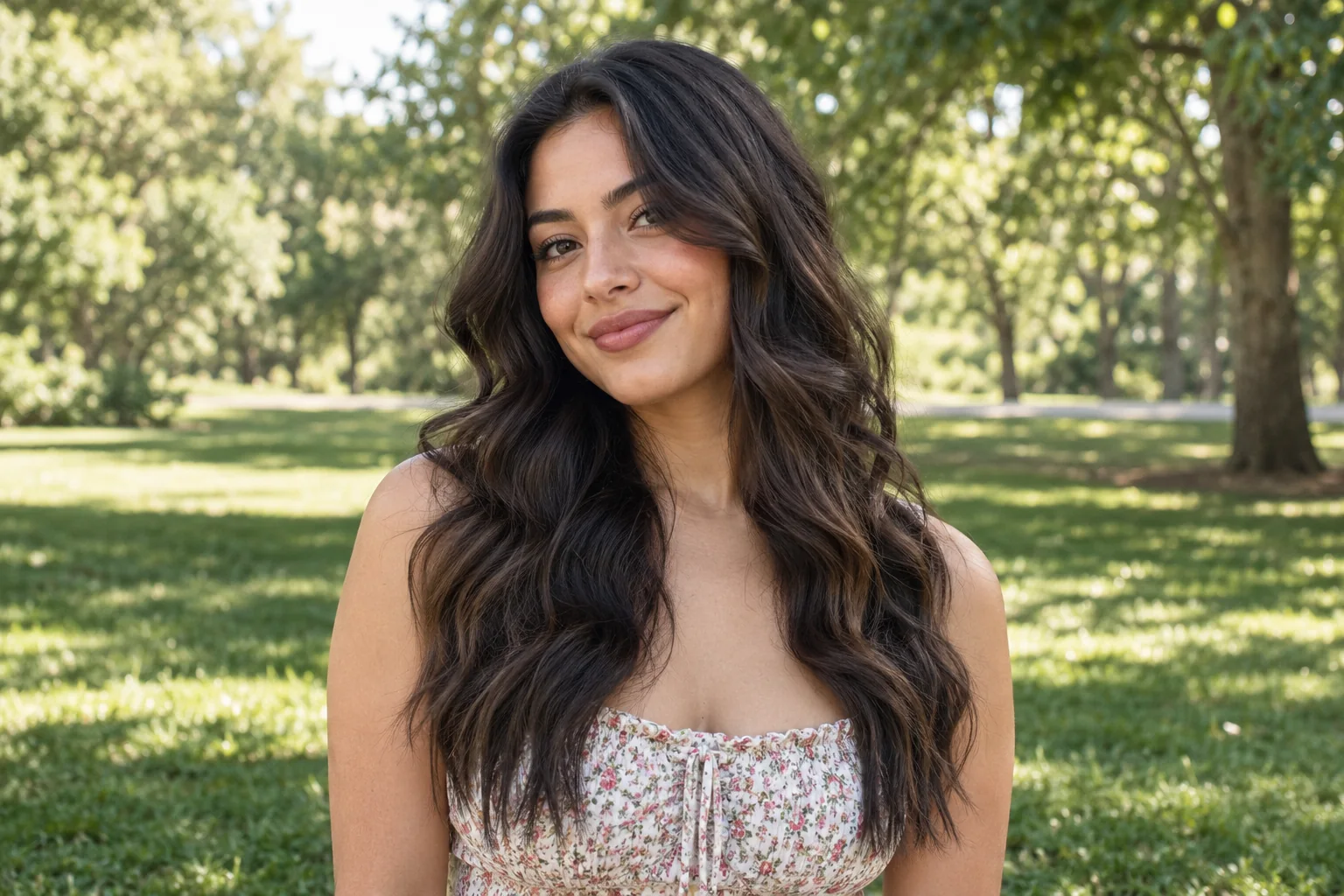
Loose waves offer movement without the formal appearance of identical ringlets. Leaving the ends softer or relatively straight makes the style feel casual. This is a flexible option for longer hair when you want to change the finish without committing to a haircut.
Use larger sections for a looser result and vary the direction slightly if that suits your hair. The goal is a flowing shape, not a row of matching curls. When using a heated tool, follow its instructions and use an appropriate heat protectant.
Try a Heatless Alternative
If you prefer to avoid heat styling, experiment with a loose overnight method and adjust it for comfort. Results depend on texture, moisture and how the hair is wrapped. See our heatless waves guide for a gentler styling approach.
9. Relaxed Low Bun With a Clean Part
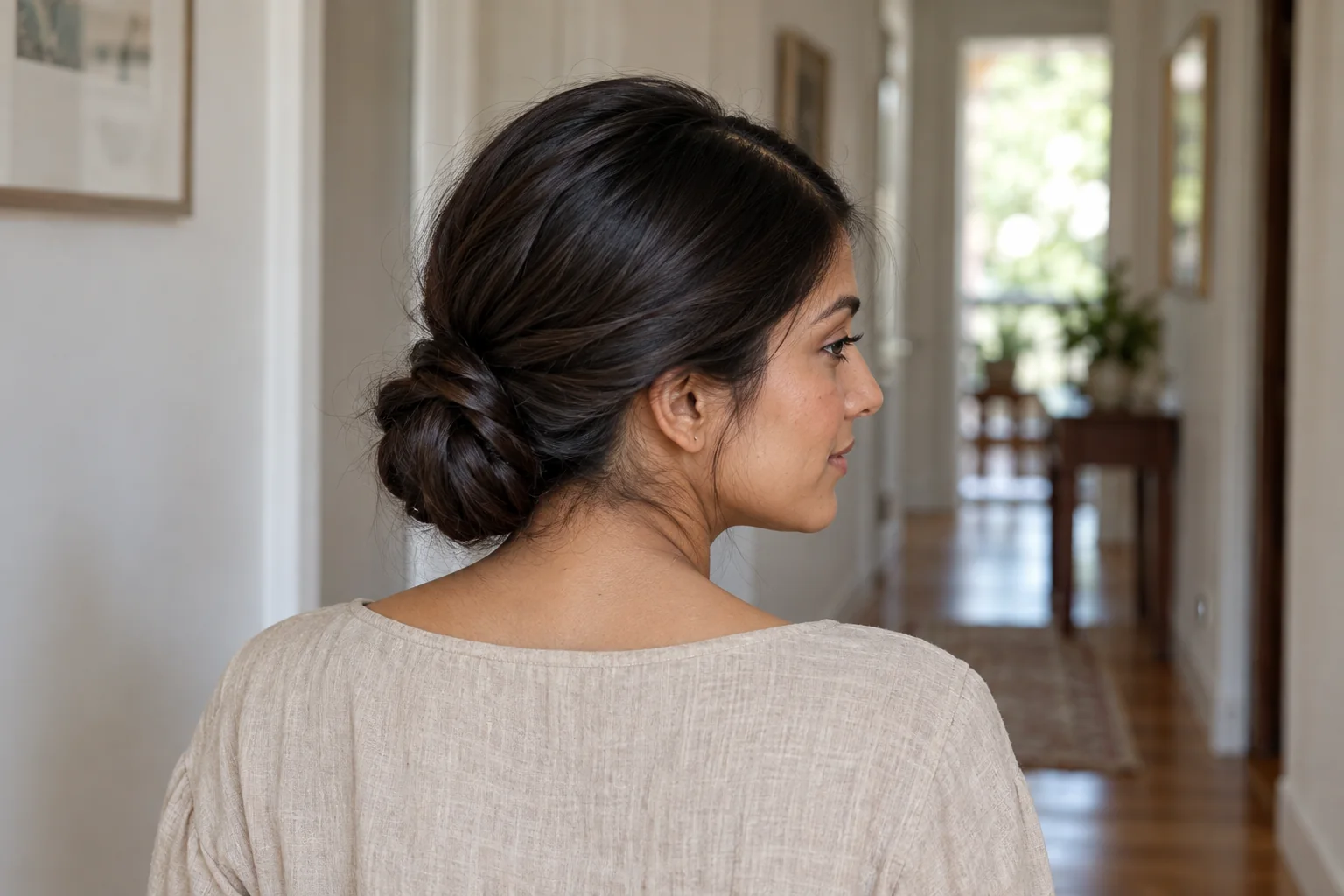
A low bun brings the hair together at the nape and leaves the neckline clear. A clean part gives it some definition, while a few fine flyaways keep the finish soft. It works for a casual day as well as an occasion when you want your accessories to stand out.
Gather the hair gently, twist it into a loose shape and secure it with pins or a comfortable tie. The bun should feel stable without pulling tightly at the hairline. If it feels uncomfortable, loosen and rebuild it rather than adding more tension.
Choose the Shape From the Side
Check the bun in a second mirror so you can see its position. A slightly flatter twist and a rounder coil create different effects. Leave a little softness around the face if you prefer it, instead of forcing every short strand into place.
10. Braided Ponytail for a Defined Outline
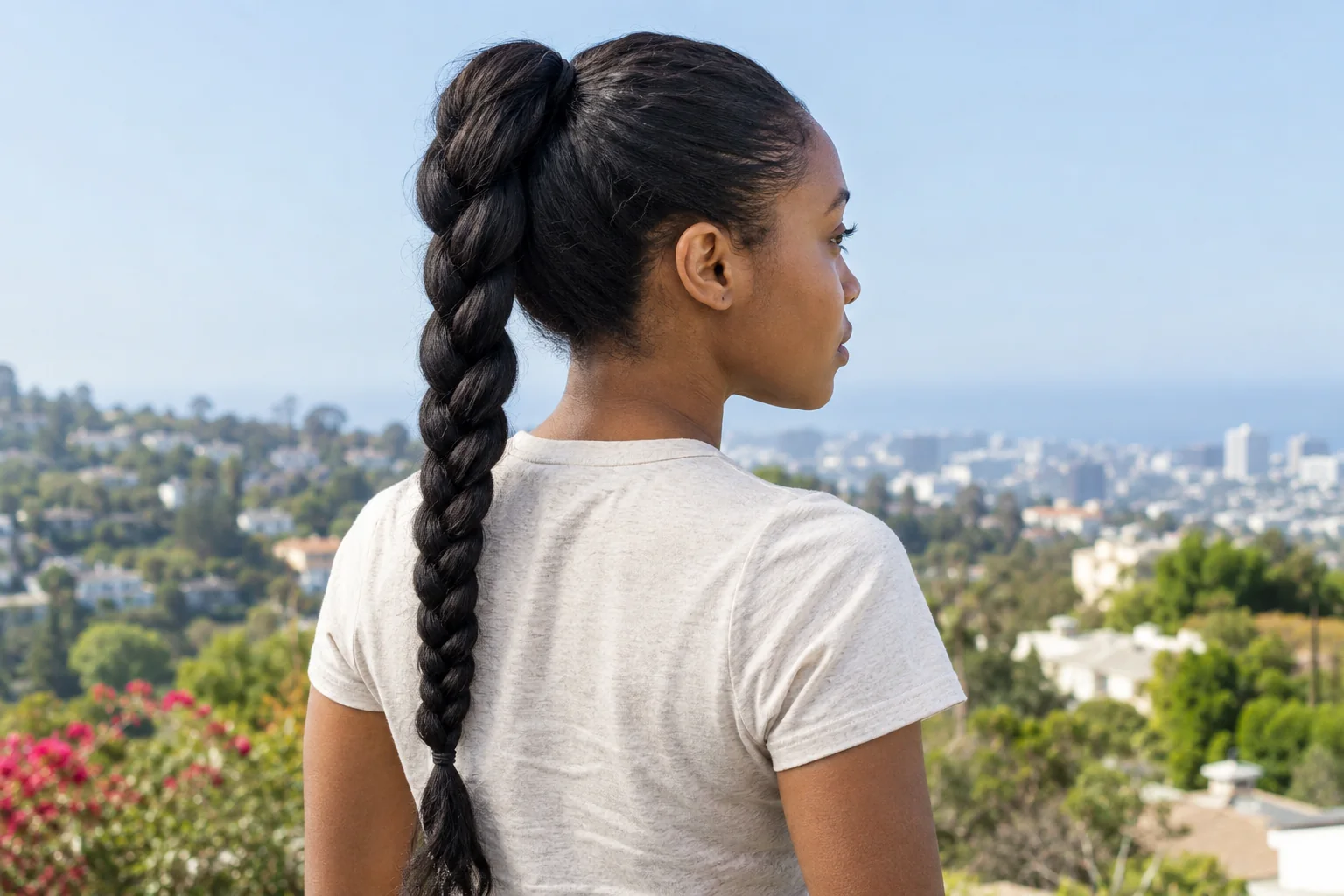
A braided ponytail combines the clear shape of a ponytail with the detail of a three-strand braid. The example here uses a medium-height placement so the braid is visible from the back without sitting extremely high. It can make a simple outfit feel more considered.
Detangle gently, secure a comfortable ponytail and divide the length into three even sections. Cross the outer sections over the centre until you reach the ends, then fasten with a suitable tie. Avoid pulling harder simply to make the braid look sharper.
Keep the Base Comfortable
Check that the ponytail does not tug when you turn your head. A braid can feel heavier than loose hair, especially at longer lengths. Adjust the placement or choose a lower ponytail if that feels better for your day.
11. Half-Up Hair With a Ribbon Bow
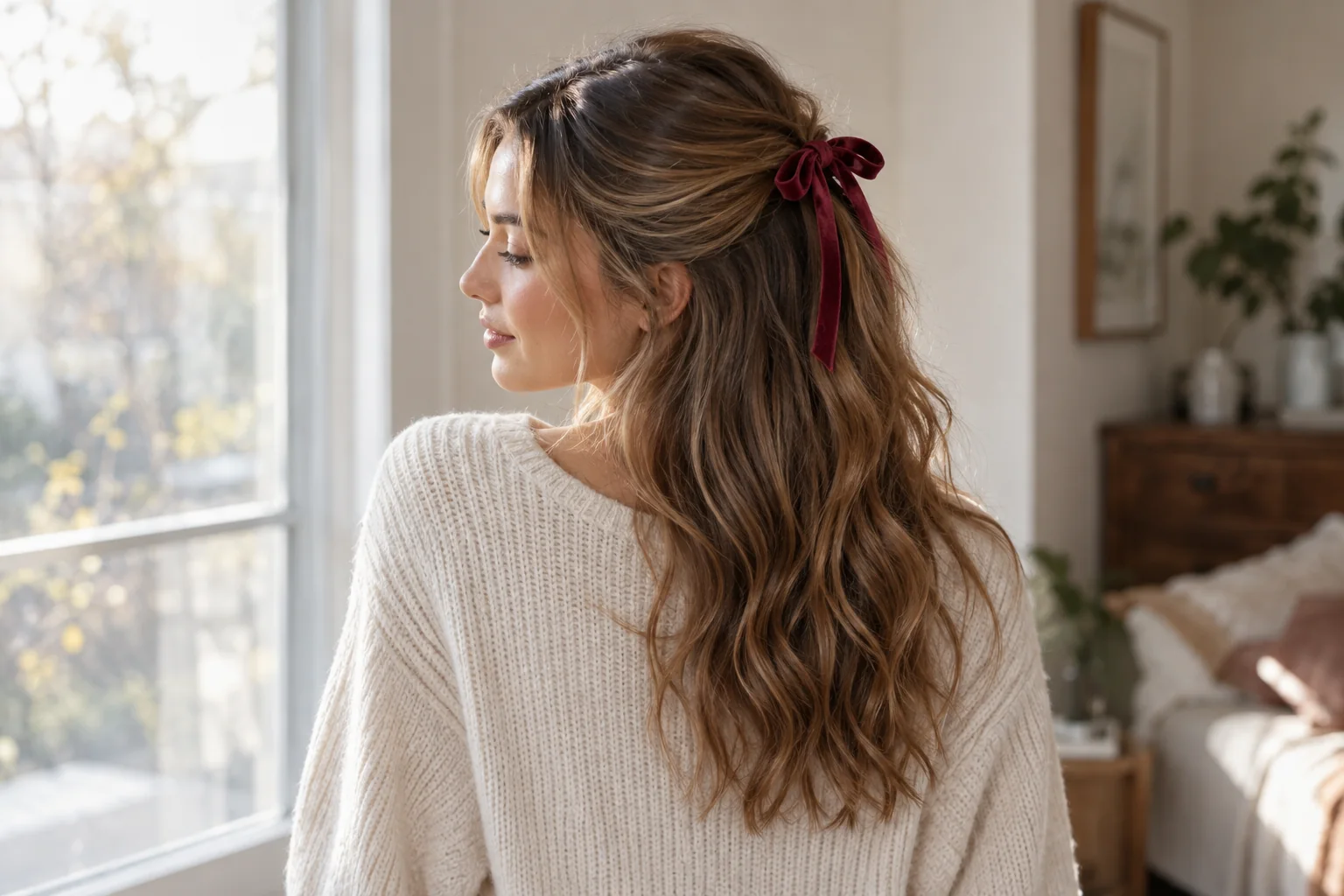
A half-up hairstyle lifts the upper section while leaving the lower lengths loose. A small ribbon adds a clear finishing detail without requiring an elaborate updo. Soft waves make the contrast between the tied section and the loose hair easy to see.
Take a modest section from above the ears and secure it before adding the ribbon. Keeping the section smaller can preserve more fullness underneath. Choose a bow that suits your hair length; an oversized ribbon is optional, not a requirement for the look.
Let the Accessory Stay Simple
Match the ribbon to one colour in your outfit or use a quiet neutral. Make sure it is tied securely without squeezing the hair. The bow should complement the shape, while the hair itself remains the main feature.
12. Claw-Clip Twist for a Quick Updo
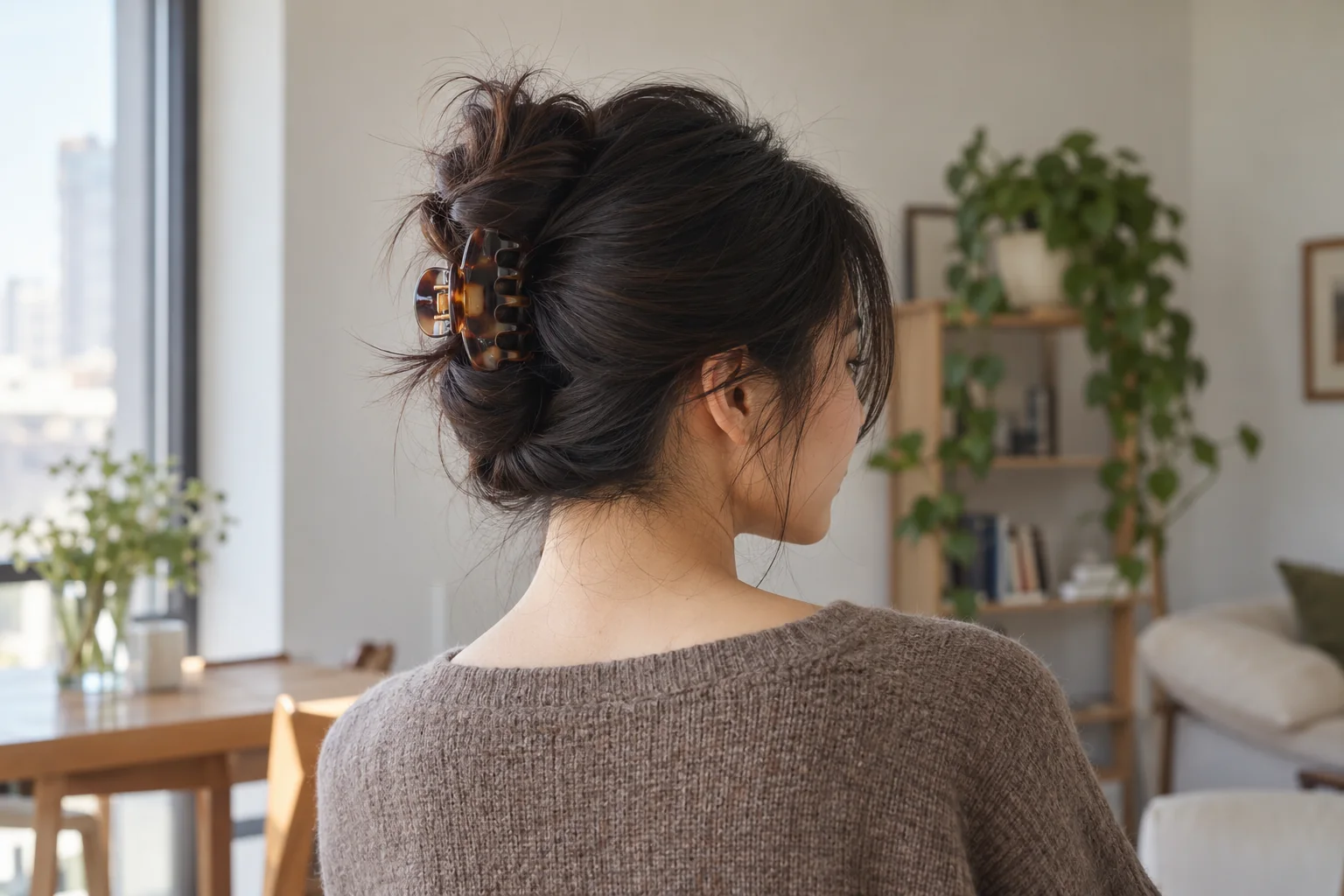
A claw-clip twist gathers the hair vertically and holds it with one clip. A few wispy ends at the top give this everyday style a relaxed finish. It is useful when you want to keep hair away from your face without creating a polished occasion updo.
Choose a clip that can comfortably hold your hair density. Twist the gathered hair upward, fold or arrange the remaining length and secure the clip over the twist. If the clip barely closes or pulls at the roots, use a different size.
Check the Hold Before Leaving
Turn your head and move around to make sure the clip stays in place. You can adjust the twist without tightening it excessively. Our cool hair styles guide includes more practical looks for everyday confidence.
How to Choose Between These Hairstyles
Start by separating cuts from temporary styles. A ribbon, bun or claw clip lets you experiment immediately, while a pixie, bob or shag changes the shape of your hair for longer. Save a few examples and compare what you actually like about them: the fringe, length, volume or finishing detail.
Ask your stylist which features can be adapted to your own texture. You do not need the same colour or density as the model to take inspiration from a shape. Keep your routine realistic and choose a result you would enjoy wearing on an ordinary day, not only after professional styling.
Trend references: current coverage from ELLE on butterfly haircuts and Allure on fall hair trends helped inform the selection. The descriptions and generated illustrations in this guide were created for Haya Glam.