
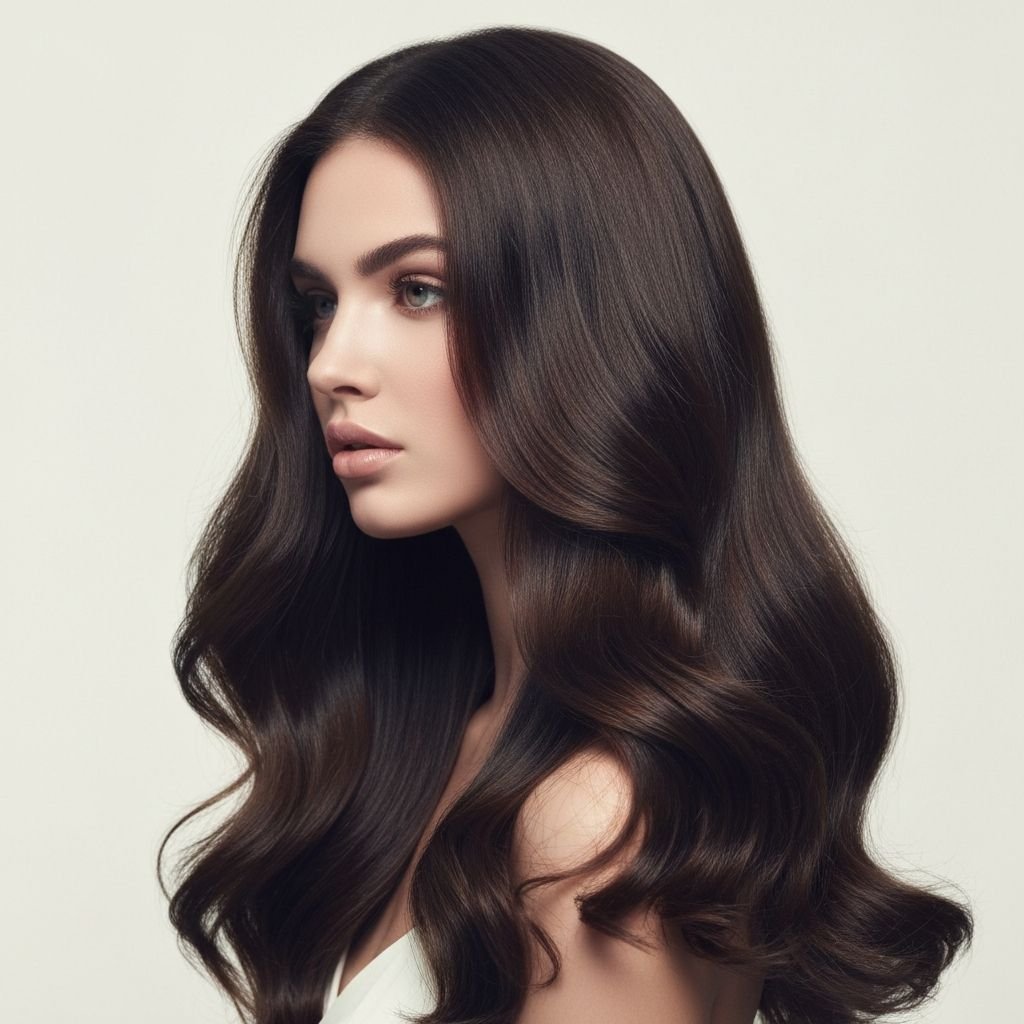
Healthy-looking hair rarely comes from one miracle product. Everyday choices around washing, conditioning, drying and styling can make a bigger difference to how hair feels and behaves. Hair texture, scalp oil, color treatments and climate all affect what works for an individual. This guide focuses on gentle habits you can adapt rather than a fixed schedule or expensive shopping list. If you notice sudden hair loss, scalp pain or persistent irritation, speak with a dermatologist or another qualified health professional for advice specific to you.
Wash according to your scalp
A wash schedule should respond to your scalp and hair, not a rule from someone with a different texture. Some people need to shampoo more often because oil builds up quickly; others find less frequent washing more comfortable. Apply shampoo primarily to the scalp and let the rinse carry it through the lengths. Use your fingertips gently rather than scratching hard. The American Academy of Dermatology recommends choosing a washing frequency that fits how oily or dirty the hair becomes.
Adjust your wash schedule
Pay attention to signs that your routine needs adjusting. Hair that feels heavy with buildup may need more thorough cleansing, while lengths that feel dry may need a gentler approach. Product buildup, sweat and styling habits can change the balance from week to week. A clarifying product may help some routines when used according to directions, but it is not an everyday requirement for everyone. Keep the process simple enough that you can observe what helps.
Condition the lengths
Conditioner can make hair easier to detangle and reduce friction during styling. Apply it where your hair needs it, often through the mid-lengths and ends, and follow the product directions. Fine hair may prefer a lighter formula; thicker or drier hair may enjoy a richer texture. The right amount depends on length and density. More product does not automatically mean a better result if it leaves the hair limp or coated.
Detangle with patience
Detangle with patience, especially when hair is wet and more vulnerable to stretching. Start near the ends and work upward with an appropriate comb or brush. If a knot resists, add a little conditioner or detangling product rather than pulling sharply. A leave-in product may suit some hair types, but it should complement rather than replace the rinse-out product unless its instructions say otherwise. Aim for easier handling, not a complicated shelf.
Dry with less friction
Rubbing hair vigorously with a towel can roughen the strands and create tangles. Instead, gently squeeze out water and use a soft towel or suitable fabric to absorb excess moisture. If you air-dry, arrange the hair in the shape you want while it is damp. If you blow-dry, keep the tool moving and use a comfortable setting. Avoid holding intense heat close to one section for too long.
Your drying method can be adjusted to your texture. Curly hair may respond well to minimal disturbance while it dries, whereas straight hair may be easier to shape with a brush and moderate airflow. Try one change at a time and notice whether the result feels smoother or easier to manage. There is no need to force a method that takes too long or leaves your hair uncomfortable.
Use heat thoughtfully
Heat tools can be useful, but excessive heat may damage the hair. The American Academy of Dermatology advises using lower heat settings and limiting how often heat is applied. Follow the tool’s instructions, avoid repeatedly passing over the same section and use a heat protection product when appropriate. Let hair dry to the level recommended for the tool before styling; a flat iron, for example, is not intended for wet hair unless designed for it.
Try a second-day style
Consider whether every day needs a freshly styled finish. A loose braid, low bun, clip or scarf can make a second-day look feel deliberate. Our silk scarf ideas include an easy hair accessory option. When using ties, choose ones that do not snag and avoid pulling the hair very tightly for long periods. Comfort is a useful sign that a style fits your day.
Be gentle with color and treatments
Coloring, bleaching and chemical services can change how hair feels and how much care it needs. Follow the instructions from a qualified professional or the product maker and allow enough time for maintenance. If hair is already fragile, avoid stacking new treatments without advice. A conditioner or mask may improve the feel of dry lengths, but it cannot undo every kind of damage. Trimming split ends can help the hair look tidier as it grows.
Think through the upkeep before choosing a major change. How often will it need refreshing? Can your current routine support it? A striking color can be fun, but it should fit your budget and time. If you are unsure, try a less permanent option or discuss the plan with a professional stylist. Your everyday experience with the hair matters more than the first photograph after an appointment.
Protect hair in daily life
Weather, sleep and friction can affect the way hair looks by morning. A loose hairstyle at night may help prevent tangles, while a soft pillowcase can feel more comfortable for some people. Protect hair from strong sun and wind with a hat or scarf when practical. If you swim, rinse and care for hair according to your texture and the pool or sea conditions. These habits do not need to become another strict checklist.
Notice where breakage or tangles happen repeatedly. It may be the same tight hairstyle, a rough accessory or a bag strap rubbing against the lengths. Changing one of those small daily habits can be more useful than buying another serum. For a broader getting-ready routine, see our simple everyday beauty guide. A dependable hair option can save time alongside makeup and outfit choices.
Build a routine you can repeat
Choose a wash-day sequence you can remember: cleanse the scalp, condition the lengths, detangle gently and dry in a way that suits your texture. Add one styling product only if it solves a clear need, such as hold, definition or comfort. Keep track of how the hair feels after a few washes before deciding whether a product works. It is easy to mistake a single humid day for a product problem.
Storage and tool care matter as well. Clean brushes and combs regularly, follow appliance safety instructions and replace worn accessories that snag. If you have a persistent scalp issue, seek professional guidance rather than repeatedly switching products at random. A simple, adaptable routine gives you a clearer baseline and makes it easier to notice when something changes.
Quick takeaways
- Cleanse the scalp when it needs washing.
- Condition and detangle the lengths gently.
- Dry and style with as little avoidable heat and friction as practical.
Final thought
Good hair care is a collection of gentle decisions, not a perfect product lineup. Wash for your scalp, condition where needed, reduce avoidable friction and use heat with care. Keep styles comfortable and seek professional help for concerning changes. When the routine fits your texture and real schedule, hair becomes easier to manage without taking over the day.