
Dry hair can make an otherwise simple styling routine feel frustrating. Your roots may look clean, yet the ends still feel rough, catch on your brush, or refuse to sit neatly. Shopping for a dry hair hydrating shampoo often seems like the obvious next step, but the bottle alone cannot explain what your hair needs. Texture, thickness, scalp comfort, styling habits, and the conditioner you use all influence the result.
This guide helps you choose a shampoo thoughtfully and build a practical routine around it. There is no single formula that suits every person, and expensive packaging does not automatically mean a better match. The useful goal is clean, comfortable roots and lengths that feel manageable without becoming heavy. Start by noticing your own wash-day patterns, then make small changes you can actually evaluate.
What Is a Dry Hair Hydrating Shampoo?
A dry hair hydrating shampoo is a cleansing product marketed for hair that feels dry, rough, or difficult to manage. The word hydrating describes its intended cosmetic benefit; it does not represent one standardized recipe. Two bottles carrying the same claim can have different cleansing systems, textures, fragrances, and conditioning ingredients. Read the full description rather than treating the front label as a guarantee.
Shampoo primarily cleans. A richer formula may leave hair feeling less stripped than a product that does not suit your routine, but shampoo is still rinsed away. Consider it one part of your haircare plan alongside conditioner, detangling, and styling. Expect improved feel and easier handling from a suitable routine, rather than permanent repair of every damaged strand.
Identify What Feels Dry Before Buying
Describe the problem as specifically as possible. Are only the last few inches rough? Do your curls feel tangled after washing? Does your scalp feel tight, or are your roots oily while the ends feel brittle? Those situations call for different shopping priorities. Buying the richest product available can be disappointing if your main concern is fine hair that already loses volume easily.
Also consider when the problem started. A new styling habit, a recent colour appointment, a different washing schedule, or several new products may provide useful context. Write down what changed instead of immediately replacing everything. If the concern includes persistent itching, sores, significant scalp discomfort, or unusual shedding, arrange professional advice instead of relying on a cosmetic shampoo to solve it.
Read the Label Beyond the Word Hydrating
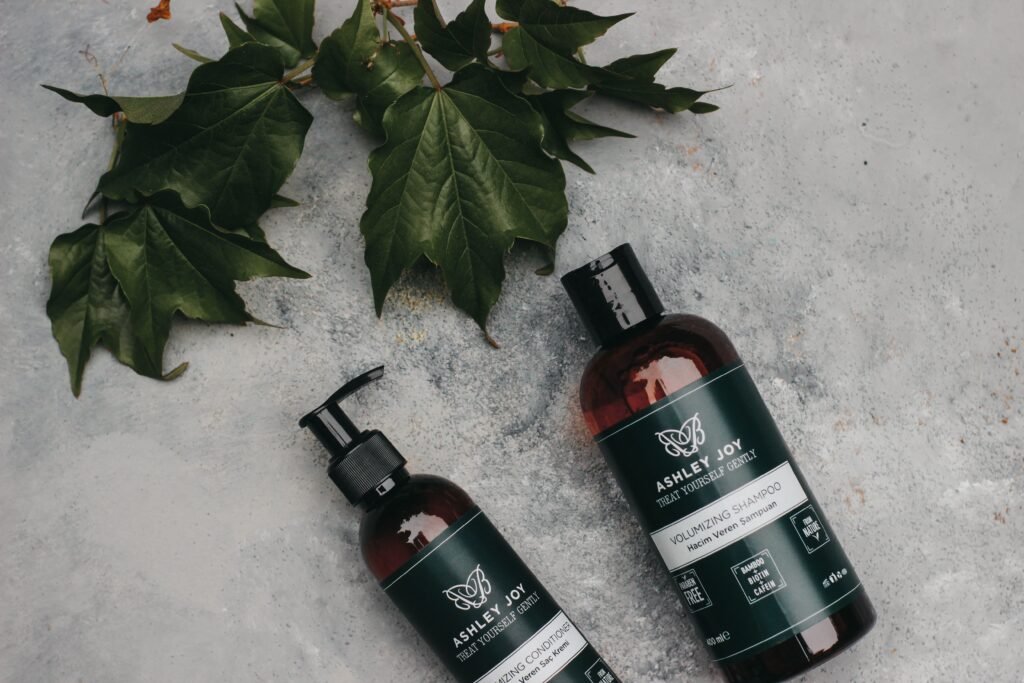
Look for clear information about the hair type a formula is intended to suit. Descriptions such as lightweight, rich, colour-care, or formulated for curls can help narrow your options, although they are not promises of an individual result. Check the directions, size, and any restrictions before purchasing. A product should fit how you actually wash your hair, not an idealized routine you will rarely follow.
An ingredient list offers context, but it does not tell you everything about the finished formula. The presence of one appealing oil or botanical does not establish how well the shampoo will work for you. Similarly, a long list is not inherently better than a short one. Avoid assuming that natural, salon, clean, or premium language proves superior performance. Choose based on suitability and observed results.
Choose a Texture That Matches Your Hair
For fine hair, start by comparing products described as lightweight rather than automatically selecting an intensely rich range. Your preferred result may be soft ends with movement at the roots. If a new shampoo leaves your hair flat, evaluate the amount you use and the conditioner placement before deciding the product is entirely wrong. One disappointing styling day is not enough to explain the cause.
For thicker hair, a richer shampoo may be a more appealing starting point, particularly when your main concern is handling the lengths comfortably. However, density and strand thickness are not identical: a person can have many fine strands. Describe both when discussing products with a stylist. Your styling preference matters too; someone seeking an airy blowout may prefer a different finish from someone defining textured hair.
Dry Lengths and Oily Roots Need Separate Attention
An oily scalp does not necessarily mean the lengths feel soft. Treat roots and ends as different areas when assessing your routine. Note whether the scalp feels clean after rinsing and whether the lengths are manageable after conditioning. A shampoo that leaves residue at the roots may not suit you, even if its label promises extra moisture. Conversely, aggressively washing rough ends may leave your preferred finish harder to achieve.
You do not have to buy two shampoos immediately. Start with one suitable cleanser and a conditioner you can apply where needed. When evaluating the result, record roots and ends separately. This makes it easier to identify whether the problem relates to cleansing, conditioning, product quantity, or styling. A simple routine is easier to troubleshoot than several overlapping products introduced together.
Consider Curly and Coily Hair Carefully
People with curls and coils often have different preferences for definition, volume, and wash-day handling. Choose a shampoo described for your texture, then assess it alongside your existing conditioner and styling products. The American Academy of Dermatology’s curly hair care guidance recommends a moisturizing shampoo formulated for curly hair. A compatible routine matters more than copying another person’s exact product collection.
Keep your styling goals realistic when comparing results. Hair photographed immediately after professional styling may not represent an ordinary wash day. Look for advice from people discussing a similar texture and practical routine, while remembering that their experience remains individual. For hairstyle inspiration after you establish your routine, explore HayaGlam’s curly hairstyles guide and choose a look that works with the time you have available.
What About Sulfate-Free Shampoo?
Sulfate-free is a formulation claim, not an automatic guarantee that a shampoo will feel gentle or hydrating to everyone. It also does not tell you whether the product will remove your particular styling products effectively. Avoid reducing your entire decision to one label. Compare the intended hair type, directions, scalp response, and overall finish rather than deciding that every product in one category behaves identically.
If you have colour-treated hair, follow the aftercare advice provided for your treatment and review the product’s stated suitability. If your scalp is sensitive, consider whether fragrance has previously caused discomfort for you. Stop using a product that causes irritation rather than continuing because its marketing sounds reassuring. Personal tolerance should guide your choices more than popular shopping rules or dramatic online claims.
Build a Simple Wash-Day Routine
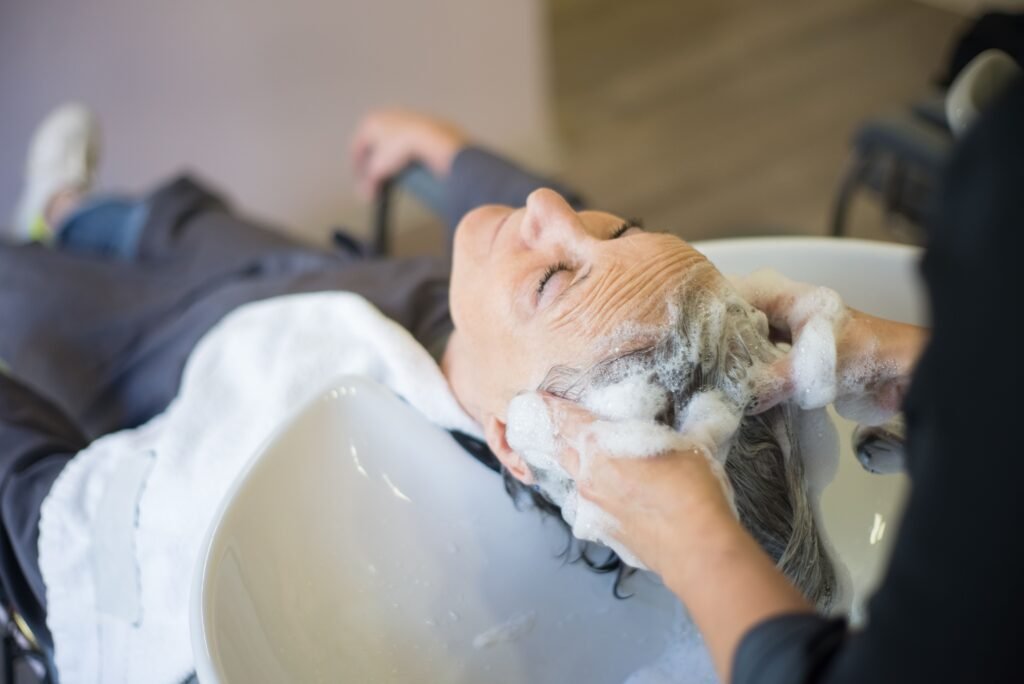
Begin with a manageable baseline: shampoo, conditioner, and your usual styling approach. Follow the instructions on the packaging, using a quantity appropriate for the product and your hair. Thorough wetting makes it easier to distribute shampoo without repeatedly adding more. Work carefully through the scalp area and rinse thoroughly. Avoid turning washing into a vigorous scrubbing session simply because the foam seems less dramatic than expected.
The American Academy of Dermatology’s healthy hair tips advise concentrating shampoo on the scalp and using conditioner after washing. That is a helpful starting point for dry lengths. Beyond those basics, follow your product directions and observe your own response. A routine should leave you with a comfortable scalp and hair that you can handle without a lengthy correction process.
Do Not Skip Conditioner When Assessing Shampoo
To evaluate a shampoo fairly, keep your conditioner consistent during the first few washes. Otherwise, you may attribute a change in softness to the cleanser when the conditioner was also replaced. Note how your hair feels after the complete routine, rather than judging only the moment immediately after shampooing. Many people expect shampoo to deliver the finish they actually associate with conditioning and styling.
Choose conditioner quantity and placement thoughtfully. If your hair feels coated, using more of the same product may not improve the result. If your ends remain rough, consider whether the conditioner suits those lengths. You do not need a matching branded set for every routine, although paired products can be convenient. Compatibility, comfort, and an outcome you enjoy are more useful measures than perfectly coordinated bottles.
Set a Washing Schedule Around Your Own Needs
There is no universal wash-day calendar for dry hair. Your scalp, activity level, styling products, and personal preferences influence how often cleansing feels necessary. Someone exercising frequently may need a different schedule from someone wearing a low-maintenance style with little product. Avoid forcing yourself into a schedule simply because it appears in a social media routine intended for another hair type.
Use a short record to guide adjustments. Note whether your scalp feels comfortable, whether products accumulate, and how your hair behaves between washes. If changing the schedule creates new discomfort or makes your routine difficult to maintain, reconsider it. Hydrating shampoo should support normal cleansing needs; it should not become a reason to ignore persistent scalp symptoms or assume that delaying every wash is always beneficial.
Give Your Styling Habits the Same Attention
A shopping change is easier to assess when styling remains reasonably consistent. If you switch shampoo while also starting a new blow-drying technique and applying several different styling products, you will struggle to identify what made the difference. Keep notes about the finish you wanted and the finish you achieved. This turns product selection into a practical comparison instead of a cycle of buying and guessing.
Choose styles that fit your comfort and available time. If you want alternatives to a routine built around frequent heat styling, HayaGlam’s heatless waves guide offers ideas to explore. Treat a new style as another variable when testing products. The aim is a routine you can repeat comfortably, not a complicated performance that only works when you have an entire afternoon free.
How to Test a New Shampoo Without Overspending
Buy a smaller size when available, especially if you are trying an unfamiliar texture or fragrance. Check the retailer’s returns policy before opening the product rather than assuming used cosmetics can be returned. Calculate price per unit if you want to compare value, but remember that a large bottle is poor value if you dislike using it. Staying within a realistic budget makes experimentation easier to manage.
Change one main product at a time and evaluate several ordinary washes, provided the product causes no irritation. Record scalp comfort, ease of detangling after conditioner, root volume, and the appearance of the ends. Do not continue an uncomfortable product for the sake of finishing a trial. Photos taken in similar light can support your notes, but they cannot establish whether a shampoo has repaired structural damage.
Common Mistakes That Make Product Choice Confusing
One common mistake is judging shampoo by foam alone. Another is assuming a product must be unsuitable because the scent or texture differs from what you expected. Separate enjoyment from performance: fragrance preference matters, but it does not prove cleansing quality. Similarly, immediate softness is only one part of the result. Consider whether your scalp feels comfortable and whether the style remains manageable later.
Avoid buying a shampoo, mask, oil, scalp treatment, and leave-in product together solely because they belong to the same range. That approach can make it difficult to identify which step you actually need. Also avoid comparing your natural finish to heavily edited promotional photographs. Set a specific goal, such as easier styling or less heaviness, and use that goal to assess whether a purchase earns a place in your routine.
Frequently Asked Questions
Can a dry hair hydrating shampoo replace conditioner?
Usually, it is better to evaluate shampoo and conditioner as separate steps with different roles. A hydrating label does not mean the cleanser will provide your preferred conditioned finish. Start with a simple combination, follow each product’s instructions, and assess the completed routine. Adjust based on how your own hair feels rather than assuming one bottle must accomplish everything.
Is hydrating shampoo suitable for fine hair?
It can be, depending on the formula and your preferences. Look for a lightweight description and monitor root volume alongside the condition of the ends. If hair feels heavy, review quantities and conditioner placement. Fine hair does not automatically need an intensely cleansing formula, and dry-feeling ends do not automatically require the richest product on the shelf.
Can I use hydrating shampoo on colour-treated hair?
Check the product’s stated suitability and the advice supplied with your colour treatment. Hydrating and colour-safe describe different considerations, so do not assume that one claim guarantees the other. If you are uncertain about a particular treatment, ask the stylist who performed it. Avoid changing several aftercare products at once when you are trying to assess the result.
How long should I try a new shampoo?
There is no guaranteed number of washes that suits everyone. Several normal washes can help you compare results if your scalp remains comfortable, especially when you keep other products consistent. Stop sooner if you experience irritation. Shampoo cannot promise a fixed timetable for repairing damaged ends, and continuing an unsuitable product does not make the outcome more reliable.
Does more expensive shampoo work better for dry hair?
A higher price does not establish a better match for your hair. Packaging, scent, size, retailer, and brand positioning can all influence price. Decide what you want from the product and compare its description, directions, and your actual experience. A modestly priced shampoo you enjoy using can be a better routine choice than a premium formula that leaves your hair uncomfortable.
What if my hair still feels dry?
Review the complete routine before purchasing another cleanser. Consider conditioner suitability, product quantities, recent treatments, and your styling preferences. A stylist may help you assess damaged lengths and realistic maintenance options. Seek a dermatologist’s advice when the concern includes persistent scalp symptoms or unusual hair loss. A cosmetic shampoo is not a diagnosis or a substitute for appropriate care.
Choose a Routine You Can Maintain
The most useful dry hair hydrating shampoo is one that cleans comfortably and fits the rest of your routine. Start with a clear description of your hair, choose a suitable formula, and keep other variables steady while you assess it. Judge the result by everyday manageability, scalp comfort, and a finish you enjoy. Small, consistent adjustments often make shopping more purposeful than chasing every new promise on a bottle.