
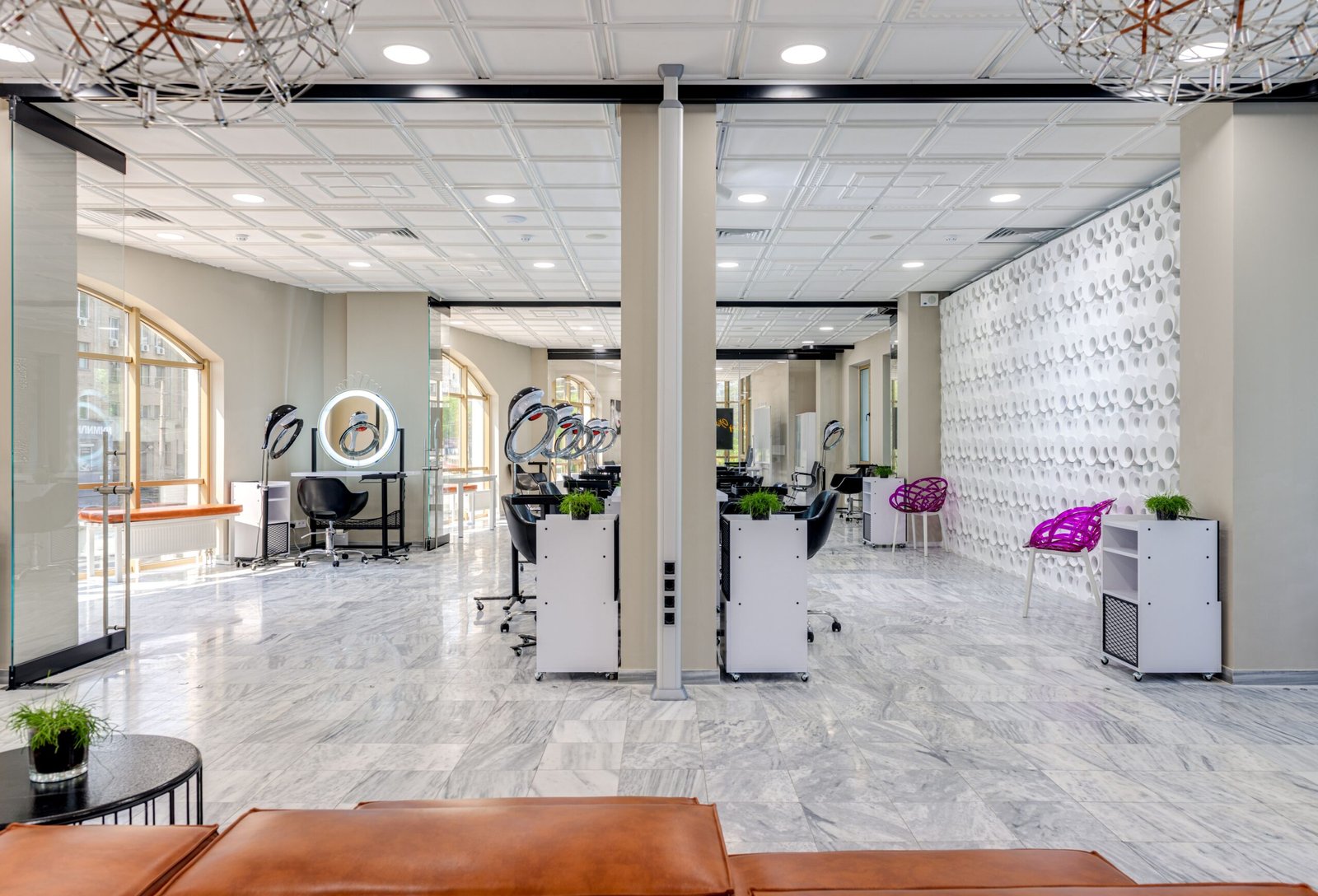
Beauty in salon can mean a fresh haircut, a careful manicure, polished occasion makeup, or simply time set aside for personal care. The best appointment starts with knowing what you want and choosing someone who can explain how they will achieve it. A stylish room and beautiful social photos are useful inspiration, but they do not tell you everything about the service. Communication, cleanliness, realistic expectations, and manageable aftercare deserve equal attention. This guide explores beauty salon services, how to prepare for a visit, and what to ask before agreeing to a treatment. Whether you prefer a subtle refresh or a more noticeable change, you should leave understanding what was done and how to look after the result.
What Does Beauty in Salon Include?
A beauty salon may offer haircuts, styling, colouring, nail care, makeup, brow shaping, or cosmetic facial services. Some businesses specialise in one area, while others bring several professionals together. The word salon does not guarantee that every service is available or that one practitioner is trained for every procedure. Check the menu and ask who will carry out your appointment. Think of salon beauty as a combination of technique and personal preference. A sleek blowout might suit one person, while another wants a textured cut that works with natural curls. Your goal does not have to follow a trend. It only needs to fit your comfort, daily routine, and the amount of upkeep you are willing to manage.
Choose One Clear Goal Before Booking
Start with the result you want rather than a long list of treatments. You might want easier morning styling, neatly shaped nails for work, or makeup that feels comfortable at an evening event. Describe that goal in ordinary language. Saying you want movement around your face is often more helpful than using a technical haircut term you are unsure about. Separate essential requests from optional details. If keeping your hair length matters most, say so before discussing layers. If you need nails short enough for typing, establish the length before choosing a design. Clear priorities help the professional offer suitable options, explain compromises, and avoid a result that looks attractive but does not suit your everyday life.
How to Choose a Beauty Salon
Look for recent examples of the exact service you are considering. A portfolio filled with dramatic colour changes may not demonstrate expertise in your preferred haircut, and beautiful nail designs do not prove that a business offers the makeup style you want. Check photographs for variety and read reviews for specific comments about communication, timing, and how concerns were handled. Ask about the practitioner’s training and any licence required locally. Requirements differ by place and service, so avoid assuming that one certificate covers everything. A useful first conversation should feel straightforward. The salon should explain what it offers, what it cannot promise, and whether a consultation is needed before a full appointment. You can take time to decide.
Make the Consultation Specific
Bring two or three reference images and explain which details you like in each one. You may admire the soft shape of one haircut, the colour of another, and the finish of a third. Tell the stylist that these are separate preferences rather than asking them to copy every image at once. Photographs can be edited, heavily styled, or taken under unusual lighting. Describe your current routine honestly. Mention previous colouring, extensions, smoothing services, or products that have caused discomfort when relevant. Explain how much time you spend getting ready and what tools you own. A good consultation connects the desired look with those practical details. Ask the professional to repeat the agreed plan, including length, finish, and any steps that might require another visit.
Haircuts and Styling That Fit Your Routine
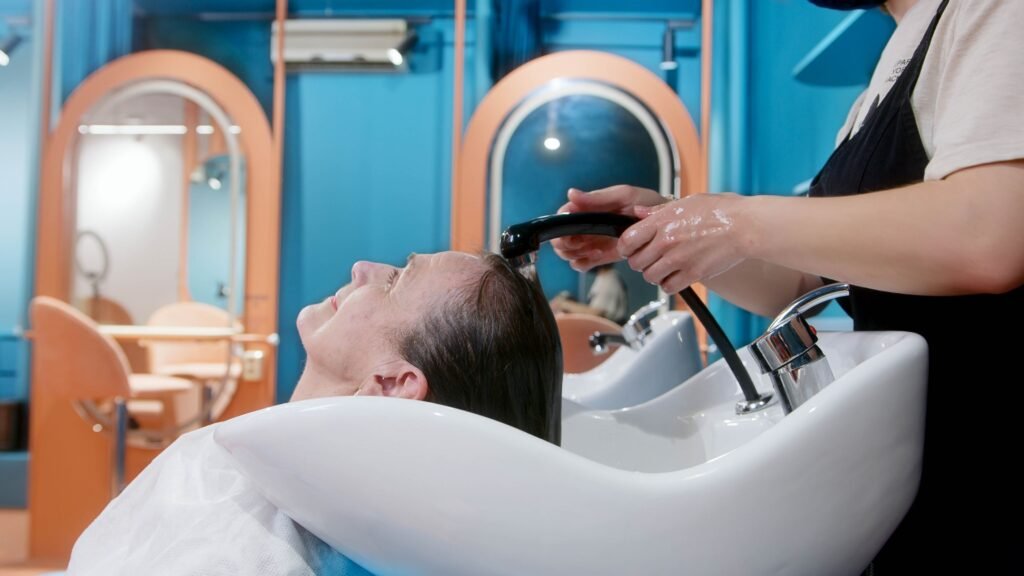
A haircut should make sense after you leave the salon chair. Discuss how it will look when air-dried, how often it may need reshaping, and whether it depends on daily heat styling. Ask to see where the proposed length will sit before cutting begins. For a fringe or short layers, talk about how they behave when tied back, worn with glasses, or exposed to humidity. Choose reference images that show hair similar to your own texture and density. HayaGlam’s curly hairstyle ideas can help you explore shapes before discussing them with a stylist. Inspiration is a starting point, so allow room for an approach adapted to your hair. Before leaving, ask for a simple demonstration of the styling technique you can realistically repeat at home.
Plan Hair Colour With Maintenance in Mind
Hair colour appointments involve more than choosing a shade from a photograph. Ask how your existing colour affects the proposed result, whether more than one session might be needed, and how visible regrowth will look. Be clear about your previous colour history, including home dye. The professional needs accurate information to explain what is realistic and which steps they are willing to take. Discuss the full service before it starts: preparation, colouring, any agreed finishing work, and the likely time in the chair. Follow the product-specific testing instructions and the salon’s process rather than treating a previous successful appointment as a guarantee. Do not ignore burning or significant discomfort during a service. Speak up immediately and let the practitioner respond. A dramatic transformation is optional; a gradual change may suit your schedule better.
Nail Appointments: Balance Design and Comfort

Nail shape, length, and finish should match how you use your hands. Someone who types all day may prefer a shorter shape, while an occasional event manicure may allow more decorative detail. Ask about the difference between the services on the menu, how removal works, and what maintenance is expected. Do not choose a finish solely because it looks impressive in a close-up photo. Browse our cute nail ideas to narrow down colours and patterns before your appointment. Show the technician the design and confirm whether detailed art changes the booking time or price. Discuss any existing nail concerns instead of covering them without explanation. Tell the technician if filing or another step hurts, and agree on a comfortable length before the final shape is completed.
Hygiene Is Part of the Salon Experience
Notice whether workstations are tidied between clients and whether clean tools are kept separate from used ones. Ask how reusable instruments and shared equipment are cleaned, and how disposable items are handled. You should be able to ask these questions politely without feeling that you are interrupting something unreasonable. A tidy interior alone does not explain the cleaning process. For nail appointments, the American Academy of Dermatology’s manicure and pedicure safety guidance recommends checking station cleanliness, handwashing, tool care, and foot-bath disinfection. It also advises against cutting or forcefully pushing back cuticles. If the environment appears unclean or the practitioner cannot explain basic hygiene practices, choose another appointment. Comfort with the process matters as much as the finished polish.
Makeup Services for Events and Everyday Confidence
For salon makeup, explain the event, lighting, start time, and how long you expect to wear the look. Say whether you prefer a lighter base, defined eyes, a bold lip, or a softer finish. Bring a reference image that shows the overall balance you like. A trial can be useful for an important occasion when you want time to adjust details. Arrive with information about products you know you tolerate and any previous reactions. Ask how brushes and shared products are handled. During the appointment, check the look in a mirror before every detail is finished, especially if you are trying an unfamiliar style. You can request less intensity or a different lip colour. A successful makeup appointment should feel like an agreed interpretation of your preferences.
Facials and Brow Services: Ask What Is Included
Names such as glow facial, luxury facial, or signature brow treatment can mean different things at different salons. Ask for a plain explanation of the steps, products, duration, and expected cosmetic result. Tell the practitioner about relevant skincare products or previous irritation before agreeing to the service. Avoid assuming that an expensive treatment is automatically suitable for your skin. For brows, discuss the shape before hair removal starts and ask the professional to show the proposed outline. A small adjustment may be enough if you want to preserve fullness. With facial services, distinguish a relaxing cosmetic appointment from care for a skin condition. Persistent symptoms or concerns about a reaction belong with a qualified healthcare professional. You do not need to add every available service to enjoy a useful visit.
Set a Budget and Confirm the Full Booking
Ask for the expected total before the appointment, including any agreed extras. A menu price may describe a basic service while a longer session, detailed nail art, additional products, or a separate finishing step changes the total. Clarify what is included and ask the salon to check with you before adding anything. This keeps the decision simple and prevents awkward surprises at checkout. Confirm the appointment length, arrival instructions, cancellation policy, and whether a deposit is required. If you are booking for an event, leave enough time to travel and get dressed afterward. Avoid filling every spare minute with another treatment. A realistic schedule makes it easier to enjoy the experience and speak up if the consultation reveals that the service needs more time than expected.
Prepare for Your Visit Without Overcomplicating It
Follow the salon’s specific preparation instructions rather than guessing whether hair should be freshly washed or skin should have a particular product on it. Requirements vary by service. If instructions are unclear, ask a short question when confirming the booking. Bring reference photographs, relevant product information, and any accessories that affect the final look, such as an event hairpiece. Wear clothing that makes the appointment comfortable. For makeup or hair styling before an occasion, think about how you will change clothes without disturbing the finish. Arrive with enough time for a calm consultation and tell the team if your schedule has a firm end time. Preparation should support communication, not become another stressful routine. You do not need perfect hair or nails before asking for professional help.
Keep Aftercare Simple and Understandable
Before leaving, ask what to do that evening, at your next wash, and before a follow-up appointment. Request clear product names only when they are relevant, and ask whether something you already own can serve the same purpose. A useful aftercare plan explains how to manage the result without requiring a completely new bathroom shelf. Follow product instructions and keep notes if several services were combined. For general hair maintenance, the American Academy of Dermatology’s healthy hair care tips emphasise matching products to hair type, using conditioner, and gentle handling. These basics can support the routine you discuss with your stylist. Salon care and home care work together, but a polished finish does not promise permanent repair. If an unexpected problem develops, contact the salon promptly and seek appropriate professional advice when needed.
Enjoy a Salon Visit That Feels Like You
The most useful approach to beauty in salon is thoughtful and personal. Choose a service that addresses your main goal, agree on the details, and understand its maintenance before making a major change. You can appreciate trends while keeping the features and routines you already like. A refreshed look does not have to involve a dramatic transformation. Build a relationship with a professional who listens and explains their work clearly. Save notes about what suited you, what you would change, and how manageable the result felt at home. Those observations make your next consultation more productive than chasing another photograph without context. A good salon experience gives you a result you enjoy and enough information to look after it with confidence.
Frequently Asked Questions
What services are usually available in a beauty salon?
Common services include haircuts, styling, colouring, manicures, makeup, and brow work. Some salons also offer cosmetic facials. Availability varies, so check the actual menu and the qualifications of the person providing your chosen service before booking.
How do I choose a salon for my first appointment?
Look for recent examples of the service you want, read detailed customer feedback, and ask about the consultation and hygiene process. Start with a straightforward service if that helps you assess communication and comfort before planning a larger change.
Should I bring inspiration photos to the salon?
Yes. Bring a small selection and explain the specific details you like. Tell the practitioner which elements are essential and which are flexible. Images are references rather than guarantees because hair texture, lighting, styling, and personal features affect the final appearance.
How often should I visit a beauty salon?
There is no single schedule for every service or person. Your chosen haircut, colour, nail finish, budget, and home routine affect maintenance. Ask for an estimated follow-up interval and decide whether it fits your lifestyle before committing to the service.
Can I book several beauty services together?
Often you can, but confirm availability, timing, and the order of services with the salon. Allow space for consultation and any required preparation. Combining appointments should make the day more convenient without rushing decisions or making the schedule uncomfortable.
What should I do if I am unhappy with the result?
Explain the concern calmly and specifically, ideally before leaving. Refer to the plan agreed during the consultation and ask about the salon’s adjustment policy. Avoid attempting a complicated correction yourself. If the problem involves a reaction or significant discomfort, seek appropriate professional advice.