A beauty capsule routine is a small collection of products and tools that covers the looks and care steps you actually repeat. It is not a fixed number of bottles, and it does not mean giving up colour or experimentation. The point is to make daily choices easier while keeping enough flexibility for different occasions.
Beauty coverage is full of new finishes, tools and launches, but every new product does not need a place on your shelf. This guide helps you sort what you own, identify genuine gaps and build an everyday kit around your skin, preferred makeup and available time. Begin with your habits rather than someone else’s shopping list.
Decide what your routine needs to do
Write down three situations: an ordinary day, a day when you want a little more polish and an occasion when you enjoy experimenting. Note what changes between them. You may find that the same base products work each time while only the lip colour or eye makeup changes.
Then consider practical limits. Do you apply makeup at home or on the move? Do you prefer brushes or fingers? Are you willing to clean several tools? A useful capsule fits these details. A kit that looks elegant but creates extra work will probably stay untouched.
Separate care from decoration
Skincare supports your routine, while makeup changes the appearance of the finish. Keeping those roles clear makes it easier to see what you need. A glitter shadow cannot replace a cleanser, and a skincare product does not have to provide the colour you want in a makeup look.
Use our beginner skincare routine as a basic reference for organising care steps. Keep any prescribed treatment outside the decluttering decisions you make for optional beauty products, and follow the advice provided with it.
Sort your current collection before buying
Place products on a clean surface and group them by function. Put base makeup together, then lip products, eye products and tools. Look for repeated shades or textures. Three similar blushes may all be enjoyable, but only one may be useful for your ordinary morning.
Check packaging instructions and period after opening symbols. A product that has changed smell, texture or appearance should not be kept simply because it was expensive. Do not pass old eye products to someone else. Make a note of products you enjoy so you can replace them thoughtfully when needed.
Choose a dependable everyday makeup base
Start with the coverage you like rather than assuming that foundation is compulsory. A concealer used only where you want it may be enough. If you prefer an even base, choose a finish that feels comfortable throughout your day and works with the rest of your routine.
Keep the tools simple. One brush or sponge that you clean properly is more useful than several unfamiliar options. Try the product in daylight and check the result after a normal day. Your capsule should contain things that suit real conditions, not just the first few minutes after application.
Add colour with a small range of finishes
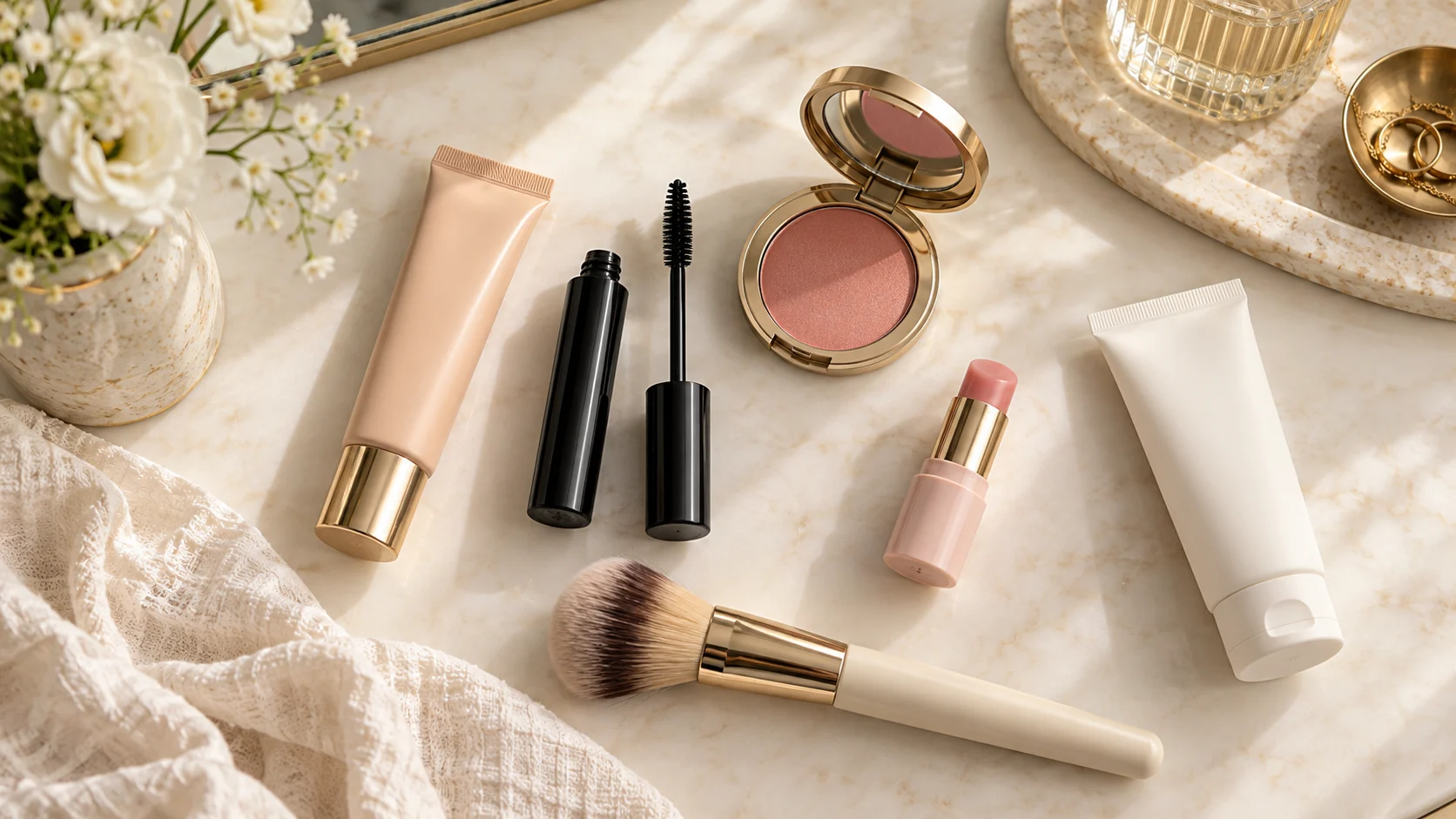
A versatile cheek colour, a lip shade you enjoy and one more expressive option can cover many looks. The colours do not need to match perfectly. They should work together comfortably, so you are not constantly trying to correct one product with another.
For eyes, a familiar neutral and a liner may be enough for daily use. If you enjoy colourful makeup, keep one shade that encourages experimentation. A smaller kit should reflect your taste. Minimalism is not useful if it removes the part of makeup you most enjoy.
Keep occasion products in a separate section
Products used for parties or special events can live together without crowding your everyday area. This makes the daily routine quicker while keeping options available. A small pouch is often enough for stronger lip colours, sparkly shadows or an extra brush.
Review this section honestly. If a product has not been used because you dislike the texture or cannot apply it comfortably, keeping it for a hypothetical event will not solve the problem. Learn the technique while the product is suitable to use, or let it leave the collection.
Make tools earn their place
Choose tools according to the products in the kit. A cream blush may need a different application method from a powder, but you do not automatically need a specialised brush for every step. Follow product instructions and use clean tools that give you a result you can repeat.
A useful tool arrangement might include:
- One base application tool you know how to use.
- One cheek brush if your chosen formula needs it.
- A small eye brush for the looks you repeat.
- A clean spoolie for brows.
- A simple cleaning setup that is easy to maintain.
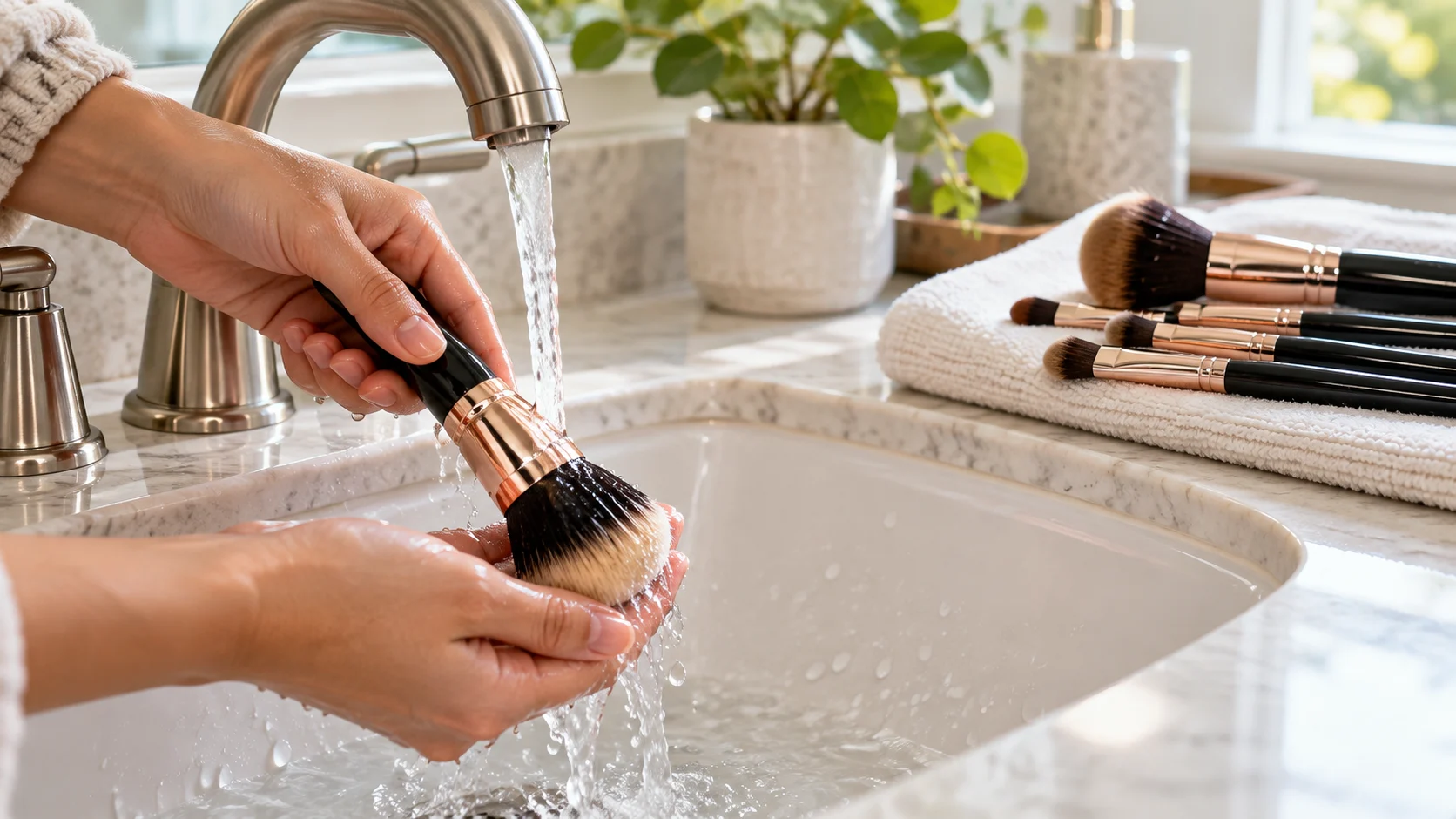
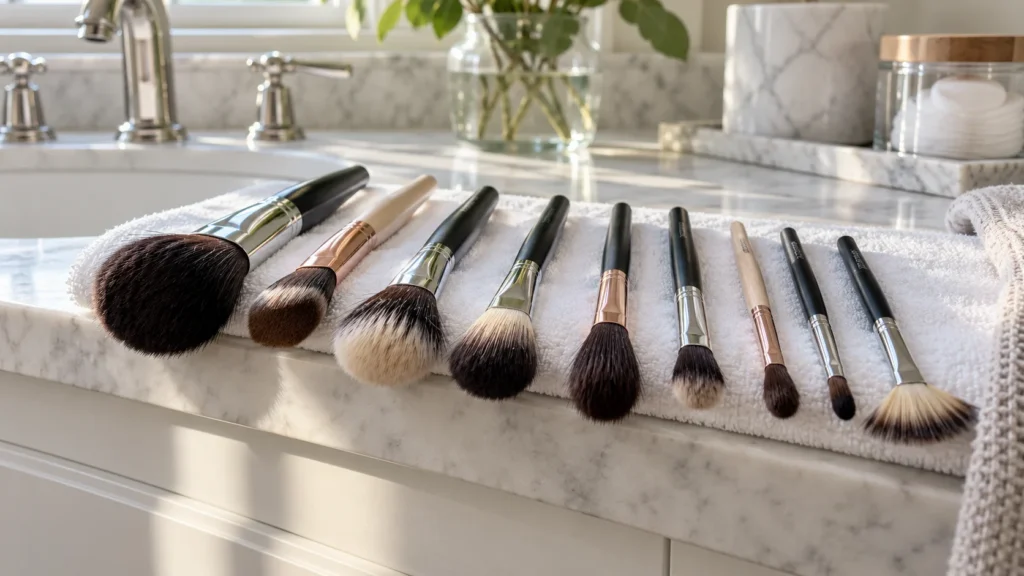
Keep tools somewhere they can dry and remain clean. A damp sponge sealed in a pouch is inconvenient and unhygienic. Build the storage around the cleaning routine rather than buying a beautiful organiser that traps everything together.
Test the capsule over ordinary days
Use the proposed kit for a week of normal activities. Notice what you reach for, what feels unnecessary and where you genuinely lack an option. Do not judge the capsule on a single rushed morning. A routine needs to work across different moods, weather and schedules.
If something is missing, describe the function before naming a product. You may need a lip colour that wears comfortably with little attention, or a base that looks less shiny by lunchtime. A clear description reduces the chance of buying another attractive item that solves nothing.
Refresh your look without replacing the kit
A new placement can change a familiar product. Blend cheek colour slightly differently, soften the edges of a lip shade or use a liner in a shorter shape. These small experiments can make the capsule feel current while you keep the products you understand.
Our natural makeup guide offers a starting routine you can adjust. Once the basics feel comfortable, add one expressive detail rather than changing the entire face at once. This makes it easier to see whether the new idea suits you.
Keep a simple replacement list
Record the products you would buy again and why. Include the shade, finish and the situations where you use them. This is more useful than saving a long list of launches. When something runs out, you can make a decision based on experience.
The American Academy of Dermatology’s budget skincare guidance also supports focusing on needs rather than price alone. A practical routine should fit your finances as well as your preferences; expensive packaging does not make a product essential.
Frequently asked questions
How many products should a beauty capsule contain?
There is no universal total. Someone who enjoys detailed eye looks may need more colour options than someone who mainly uses lip and cheek products. Count useful functions and repeated habits instead. A collection is manageable when you can find, use and maintain what it contains.
Can I keep products simply because makeup is a hobby?
Yes. Separate hobby products from the daily capsule so they do not complicate ordinary mornings. Enjoying experimentation is a valid reason to keep suitable products. The capsule is an organisation method, not a rule that every purchase must be purely functional.