Fashion for going out should make getting dressed feel exciting, not like a test you can fail. Whether your plans involve a relaxed café, dinner with friends, a date, or a party, a good outfit connects the occasion with your personal style. You can look polished without buying a completely new wardrobe or wearing something uncomfortable.
The most useful starting point is the evening itself. Think about where you are going, how you will travel, and how long you expect to stay. Then choose an outfit that lets you enjoy those plans. This guide offers adaptable going-out outfit ideas, practical styling suggestions, and answers to common questions about dressing for a night out.
Start With Your Plans and Personal Style
Before opening your wardrobe, identify the mood of the occasion. A casual restaurant, a rooftop gathering, and a formal celebration can call for different levels of dressiness. Check any stated dress code and consider whether your group is planning something relaxed or more dressed up.
Next, think about the clothes that already feel like you. If you love trousers, you do not need a dress to create an evening look. If you prefer covered silhouettes, long sleeves and a flowing skirt can feel just as intentional as a fitted outfit. Personal comfort and cultural preferences belong in the decision.
Choose one starting piece, such as a favourite dress, dark jeans, or tailored trousers. Building around a familiar item gives you a clear direction. You can make the finished outfit feel special through fabric, accessories, or a different combination rather than changing everything at once.
Casual Going-Out Outfits for Cafés and Friends
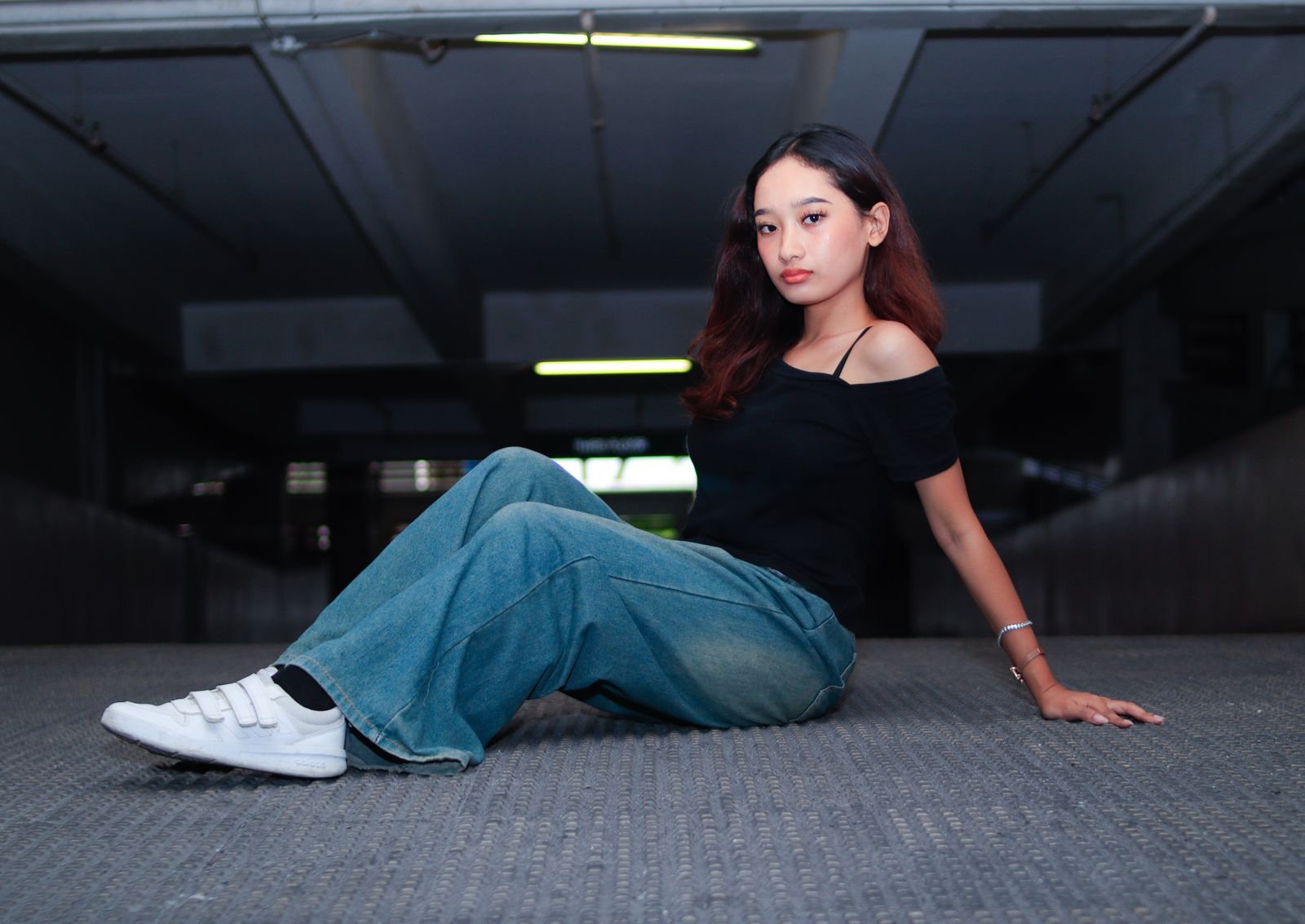
A simple top and well-fitting jeans can be an easy foundation for an informal outing. Try a knitted top, a crisp shirt, or a blouse with an interesting neckline. Add loafers, clean trainers, or ankle boots according to your walking plans and the setting.
Make the combination feel deliberate by considering proportions. A shorter jacket can work with high-waisted jeans, while a tucked shirt gives a clearer waistline. If you prefer an untucked top, look at where its hem falls against the trousers rather than following a rigid styling rule.
A cardigan can also work for an evening that begins casually and continues over dinner. Our cardigan and jeans outfit guide offers more ideas for combining these familiar pieces. Choose accessories that suit the outfit instead of adding several statement items simply to make it feel dressier.

Dinner Outfits That Feel Polished
For dinner, tailored trousers and a soft blouse offer a versatile alternative to a dress. A matching trouser set can simplify the decision further. Keep the neckline, sleeves, and fit comfortable enough for sitting, eating, and conversation rather than judging the outfit only while standing.
A midi dress is another useful option. You might choose a plain colour with distinctive jewellery or a printed dress with quieter accessories. A skirt and fine knit can achieve a similar balance, particularly when you want something that feels composed without being overly formal.
Look at the whole outfit in the lighting available at home. Check whether fabrics become transparent under brighter light and whether the layers sit smoothly together. These small checks can help you leave feeling prepared rather than discovering an awkward detail at the restaurant.
Party Outfits With One Clear Statement
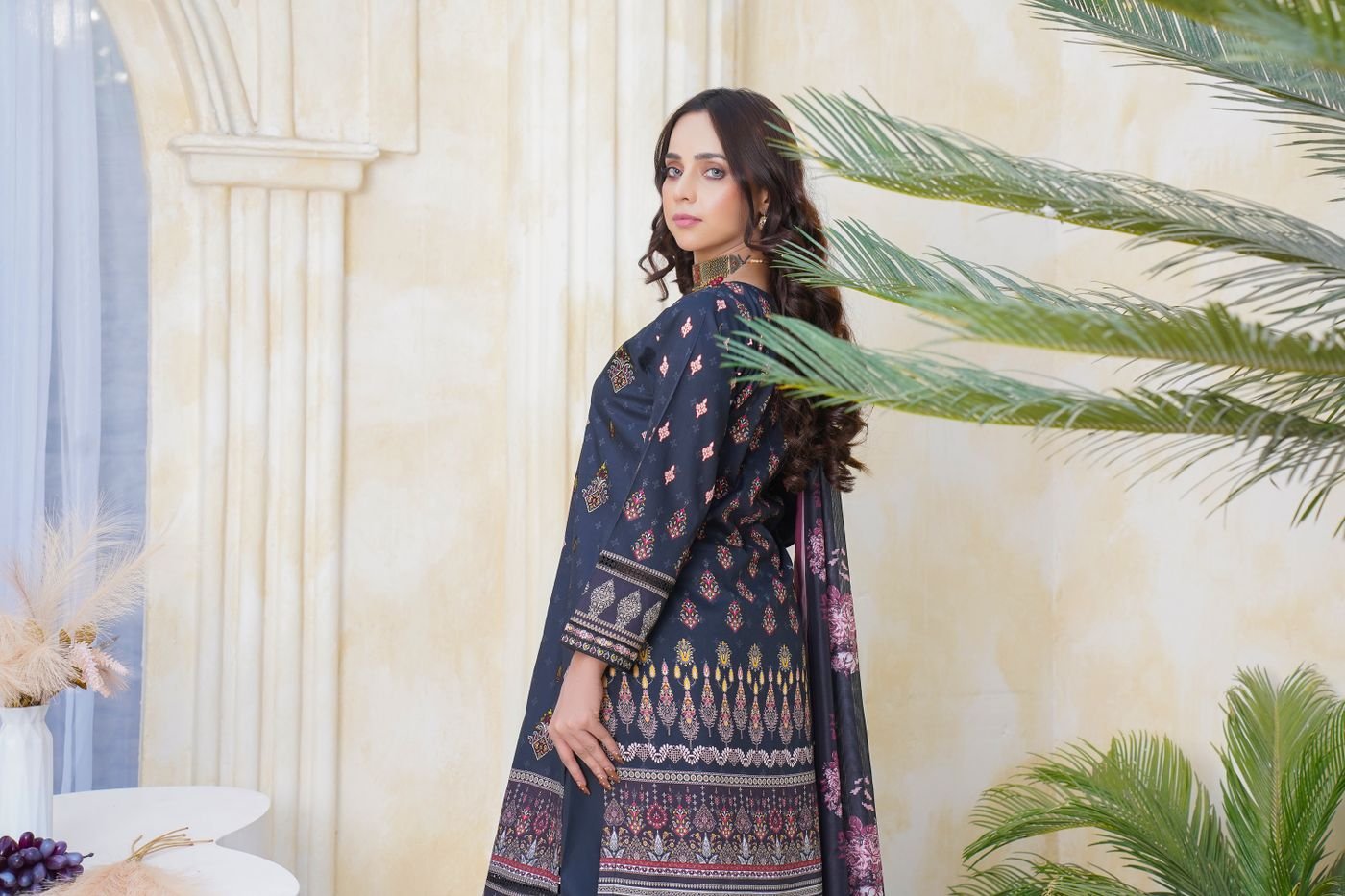
Party dressing gives you room to experiment with shine, texture, and colour. A sequined top with plain trousers, a rich-coloured dress, or a dramatic blazer can provide a strong starting point. You do not need all three in the same outfit.
Choose the detail you want to notice first. If the clothes already have sparkle or a bold pattern, a simple bag may create a calmer balance. If you are wearing an understated outfit, distinctive earrings or an interesting shoe can become the focal point.
Fashion for going out works best when the finished look still feels wearable. Try moving around before leaving, particularly if the outfit has narrow sleeves, a fitted skirt, or straps that need frequent adjustment. A beautiful combination becomes less enjoyable when it requires constant attention throughout the evening.
Use Layers to Finish the Outfit
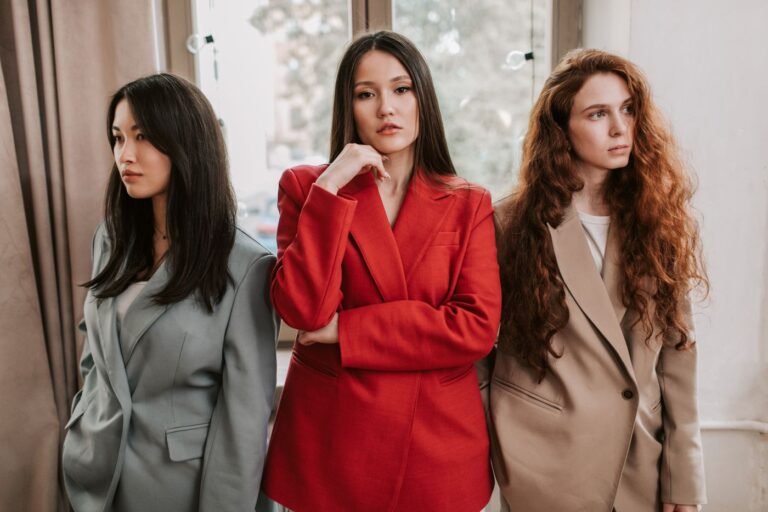
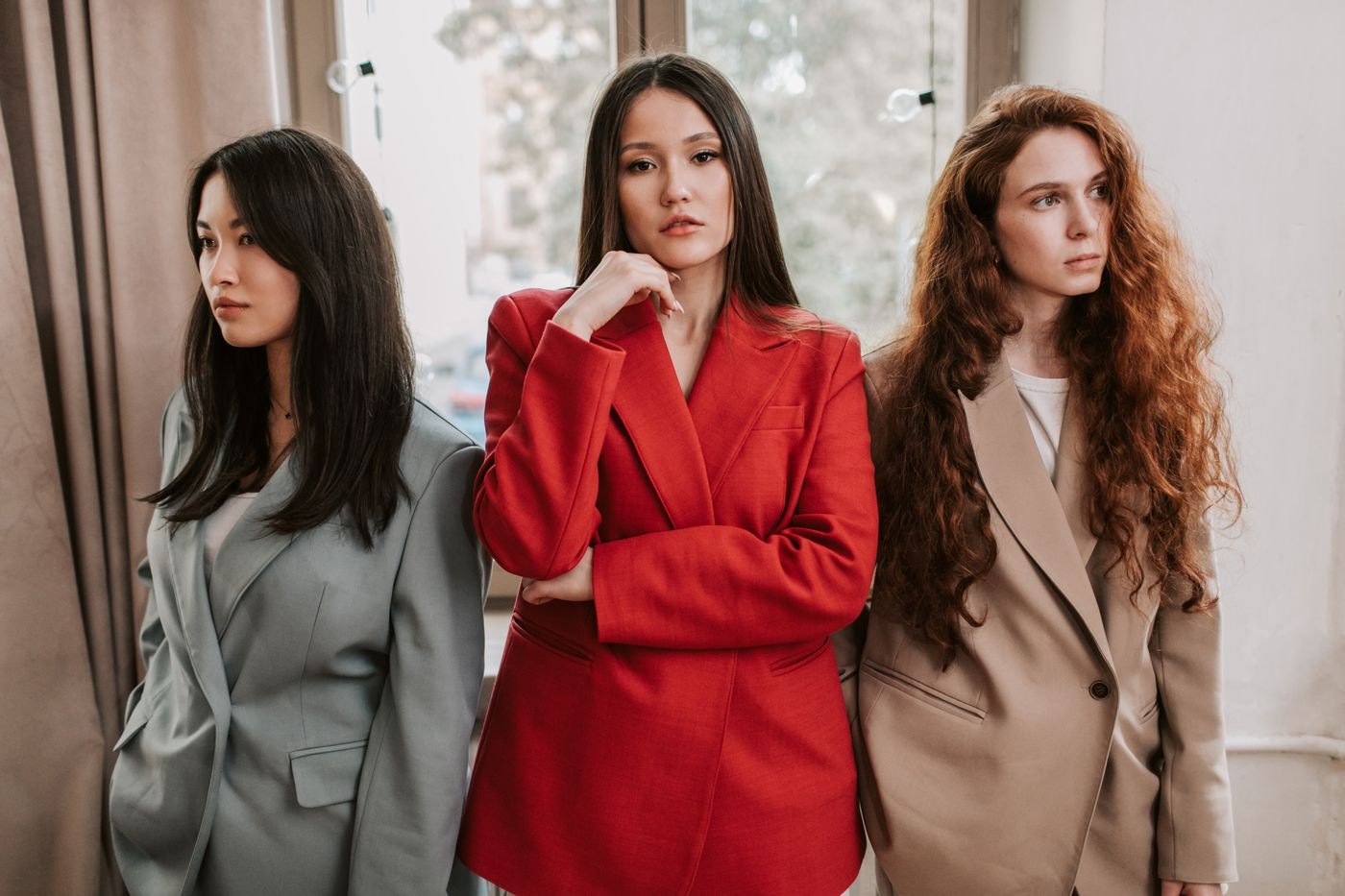
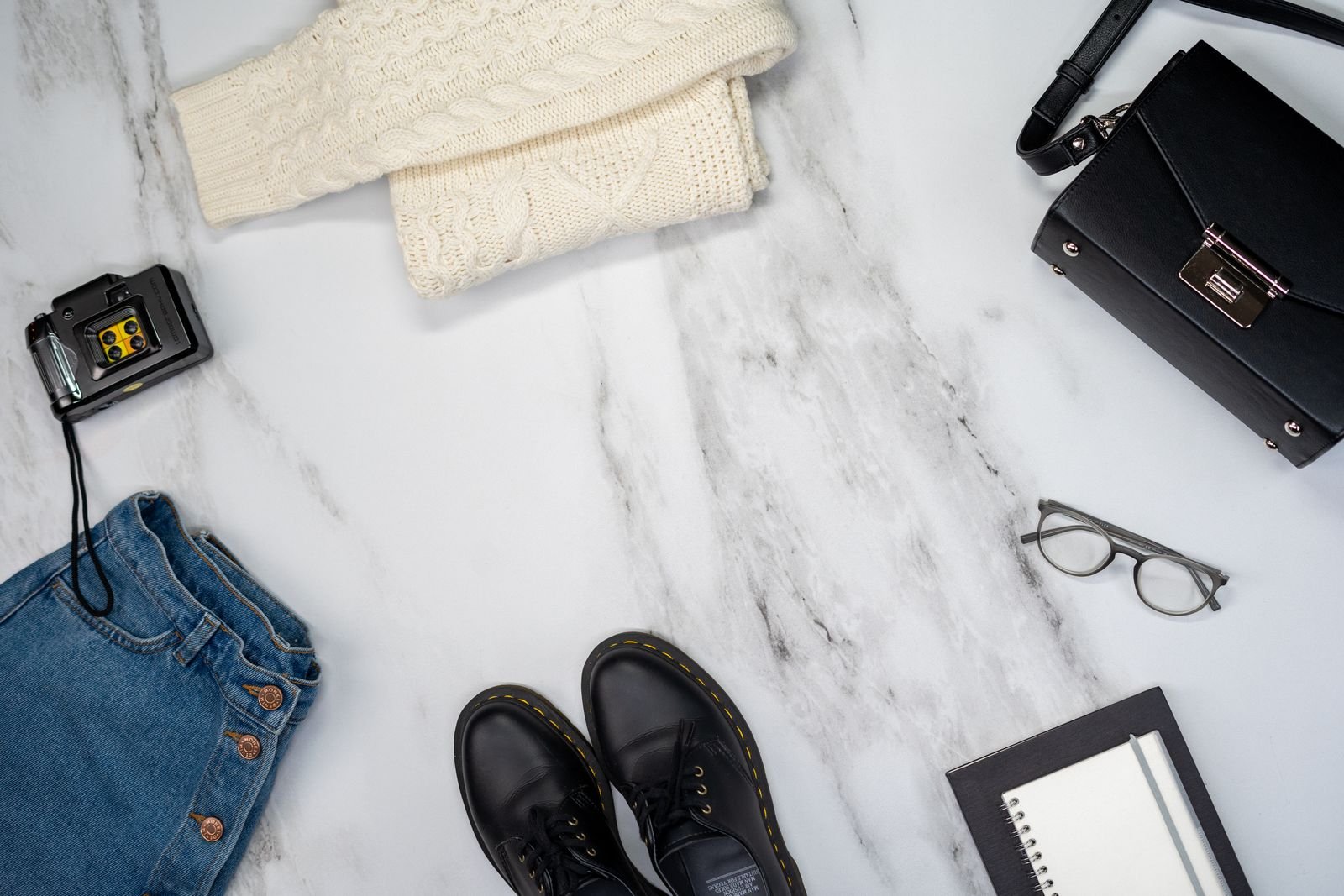
A blazer can make jeans, trousers, or a simple dress feel more structured. Experiment with the sleeve length and how the jacket falls over the layer beneath it. The goal is a combination you like, not an exact reproduction of a photograph.
In cooler weather, consider a longer coat, a neat knit, or boots that suit the forecast. A jacket should complement the outfit while also being useful during the journey. Think about where you will leave it when you arrive and whether you need a layer indoors.
For warm evenings, lighter fabrics and a removable layer can be convenient. If you prefer a scarf, explore our silk scarf styling ideas for ways to introduce colour. Adapt the suggestion to the temperature and your own preferred coverage rather than treating accessories as mandatory.
Pick Shoes for the Whole Evening
Choose footwear after considering the route, the venue, and the activities. Dinner with little walking presents a different situation from an evening involving public transport, dancing, or several stops. A pair you already know and enjoy wearing is often an easier choice than unfamiliar shoes.
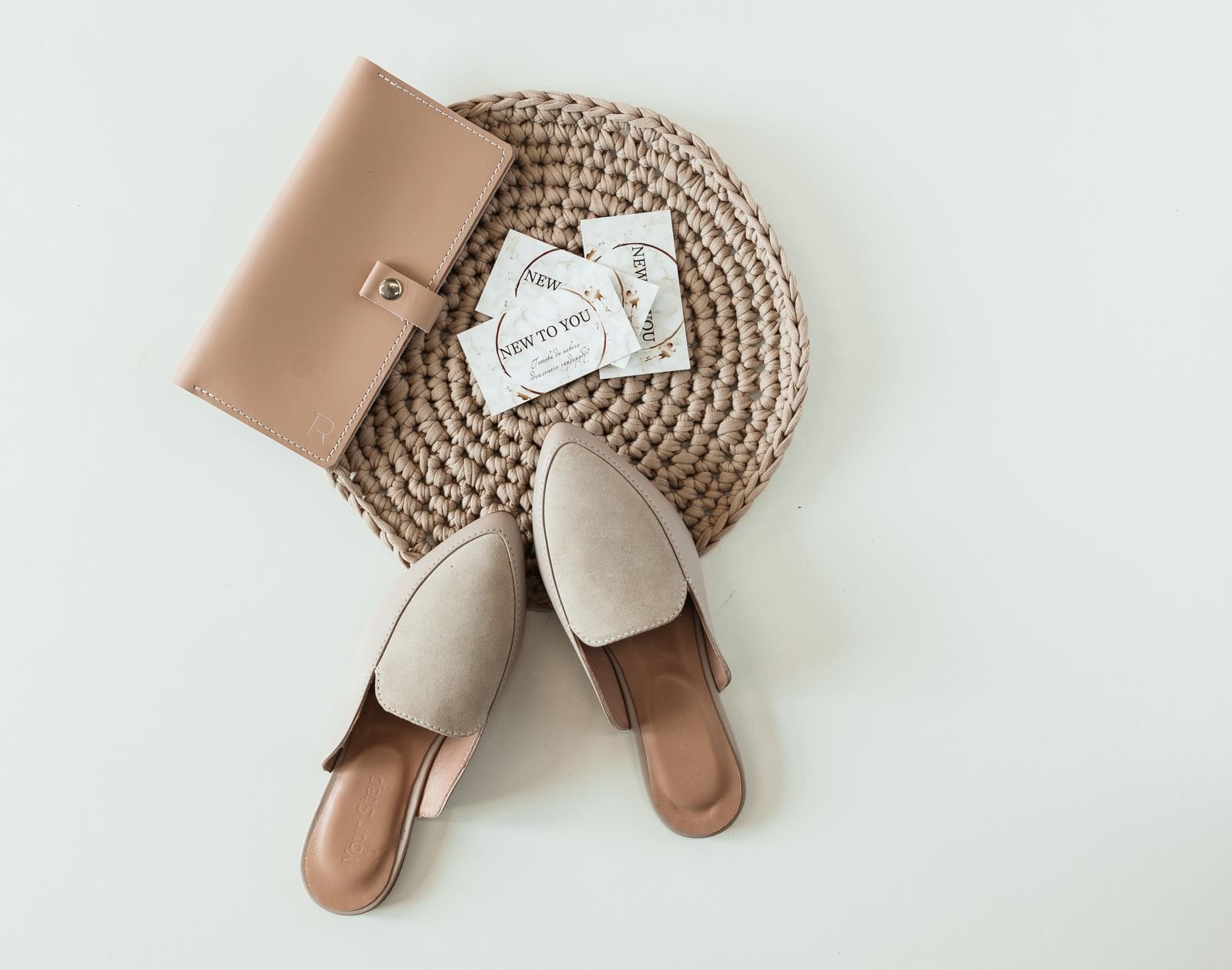
Heels are optional. Loafers, dressy flats, ankle boots, and understated trainers can all belong in going-out outfits when they suit the setting. Look at how the shoe shape works with your hemline and whether the outfit feels balanced to you.
Try your complete outfit with the actual shoes before deciding. Trouser length can change the impression considerably, and a dress may feel different with boots than with sandals. Take a short walk around your room and check that the combination supports your plans.
Make Bags and Accessories Practical
A small bag can finish an evening look, but it should hold the things you need. Check your phone, keys, payment method, and any other essentials before choosing it. A secure closure and a comfortable strap may matter more than a striking shape.
Jewellery can bring a simple outfit together. Consider how earrings relate to your neckline or whether a necklace competes with buttons, ruffles, or an elaborate print. You can repeat a metal finish for cohesion, but there is no requirement to match every detail perfectly.
Use a mirror to assess the outfit as a whole rather than inspecting each item separately. If something feels too busy, remove one accessory and look again. Editing a combination can be more useful than searching for another item to add.
Build a Small Going-Out Wardrobe
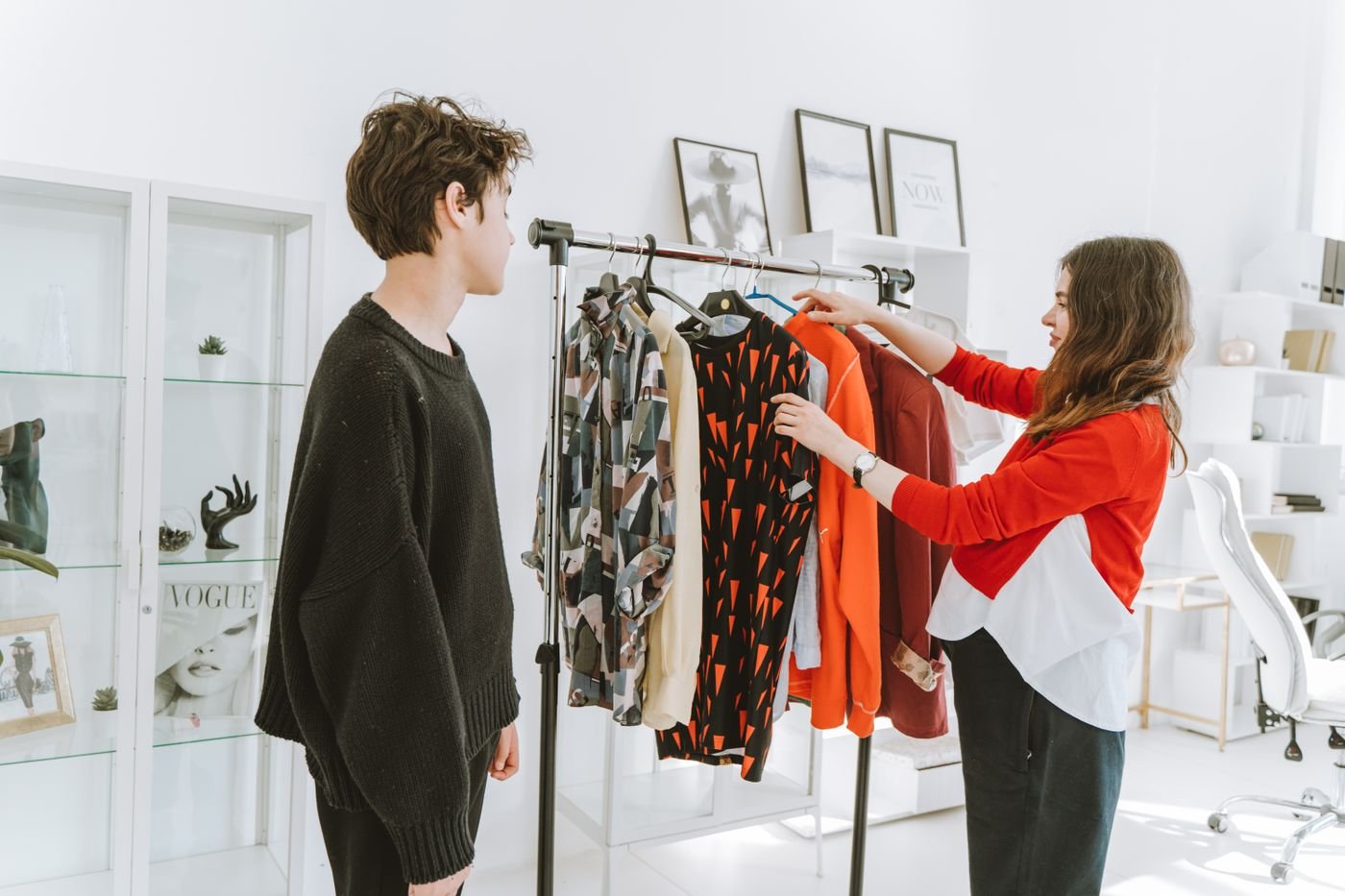
Keep a few reliable combinations in mind for different occasions. One casual outfit, one dinner outfit, and one party option can make future plans easier. Photograph combinations you genuinely enjoy wearing so you can remember the proportions and finishing details.
Before shopping, identify the actual gap. You might need a useful jacket or a bag that fits your essentials rather than another statement top. Consider whether a new item works with several pieces you own. Repeating clothes in different combinations is a practical part of personal style.
Give yourself enough time to get ready without rushing the final decision. Lay out the clothes, shoes, and accessories together, then check for missing buttons, marks, or creases. A prepared outfit can save you from last-minute changes that do not suit the evening. If your plans are uncertain, choose a flexible combination and carry a useful layer. Most importantly, leave space for your own taste. Style inspiration is a starting point for experimenting, and your favourite version may look different from the example that inspired it.
Frequently Asked Questions
What Does Fashion for Going Out Mean?
It means choosing clothes for social plans outside your everyday routine. The right level of dressiness depends on the occasion, the venue, any dress code, and what makes you feel comfortable.
Can I Wear Jeans for a Night Out?
Yes, when the venue permits them. Pair jeans with a blouse, structured jacket, or a neat knit, then choose shoes and accessories that fit the mood of your plans.
Do I Need Heels to Look Dressed Up?
No. Dressy flats, loafers, and boots can create a polished outfit. The overall combination and its suitability for the setting matter more than the height of your shoes.
How Can I Dress Up a Simple Outfit?
Try one intentional detail, such as an interesting jacket, a distinctive bag, or statement earrings. Keep the rest of the outfit balanced so the addition feels connected to your personal style.
What Should I Wear for a Casual Dinner?
Consider jeans with a blouse, trousers with a knit, or an uncomplicated dress. Check the restaurant’s dress code and choose something comfortable for both the journey and the meal.
How Can I Avoid Buying a New Outfit Every Time?
Save photographs of combinations you like, repeat useful basics, and change one finishing detail. A different layer, shoe, or accessory can create variety while keeping familiar clothes in regular use.