Category: Fashion

Explore outfit ideas, seasonal fashion and practical styling guides. From capsule wardrobes to everyday combinations, find inspiration to make your clothes work together.

  • Sweatshirt for Men in USA: 12 Easy Outfit Ideas

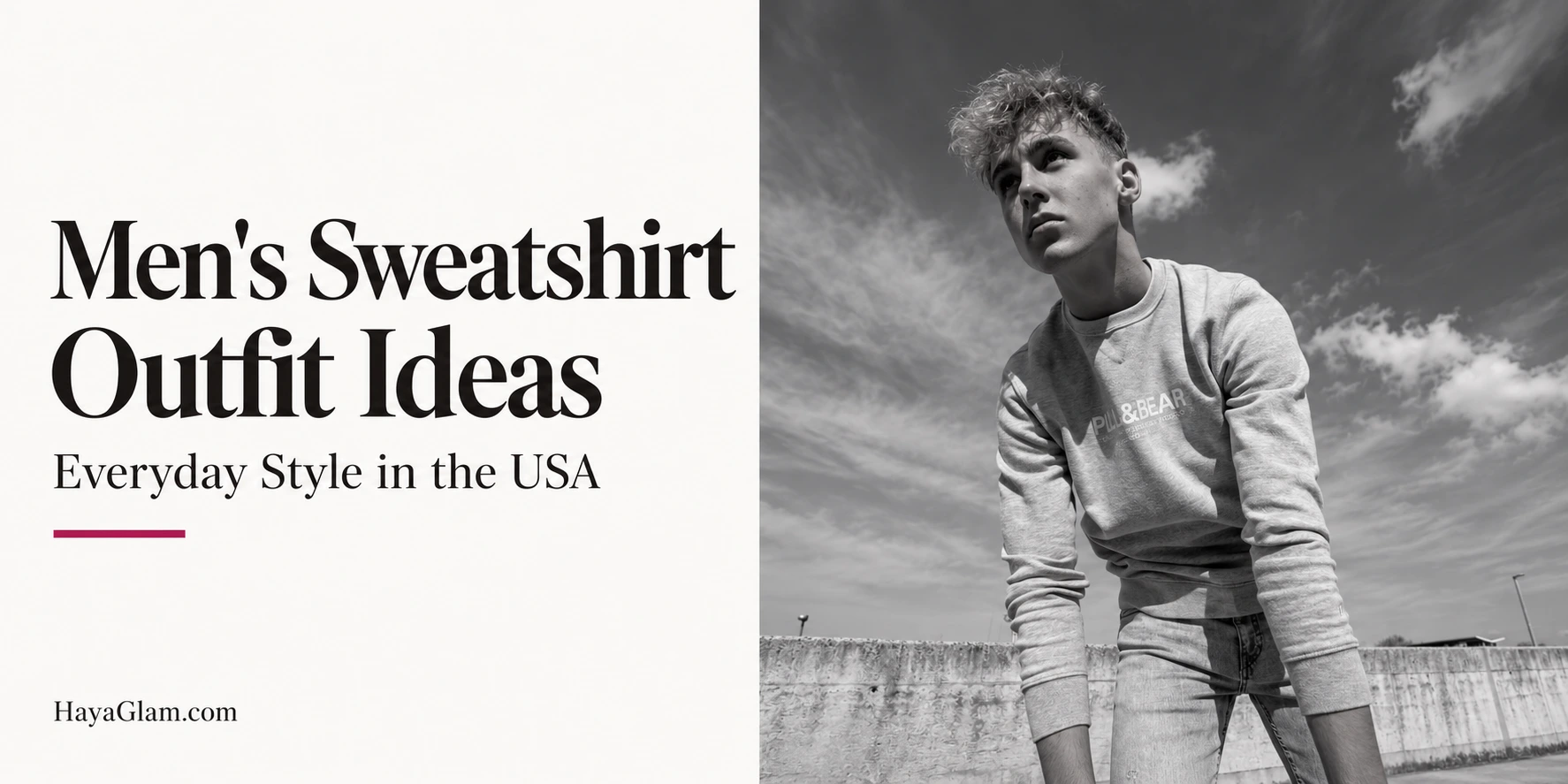
    Sweatshirt for Men in USA: 12 Easy Outfit Ideas

    Finding a sweatshirt for men in USA stores is easy; turning it into an outfit you enjoy wearing takes a little more thought. A sweatshirt can work for a weekend coffee run, a casual campus day, a relaxed office, or a long journey. The useful question is not which look everyone else wears, but which fit, fabric, and combination suit your routine and your daily needs.

    These men’s sweatshirt outfit ideas focus on adaptable styling rather than expensive shopping lists. Start with clothes you own, consider the weather and occasion, and use one detail to make the combination feel intentional. You do not need a different sweatshirt for every plan, and a familiar piece can become more versatile when you change its layers, pants, or shoes.

    Choose the Fit Before the Outfit

    A regular-fit sweatshirt is a flexible starting point. It should give you enough room to move without making every layer feel bulky. Check the shoulder placement, sleeve length, neckline, and hem together. The right fit depends on the intended design, so an intentionally dropped shoulder is not automatically a sizing mistake.

    For a relaxed silhouette, balance the sweatshirt with pants that have a clear shape. For a closer fit, make sure you can sit comfortably and raise your arms. Compare garment measurements with a sweatshirt you already like instead of relying only on small, medium, or large labels, which vary between brands.

    Think about the layer underneath and any jacket above it. A sweatshirt that feels comfortable alone may be awkward under a close-fitting coat. Try the complete combination when possible, particularly if you are buying the piece for colder weather or travel.

    Understand Fabric and Weight

    Read the fiber label rather than assuming every sweatshirt feels alike. Cotton, cotton blends, and synthetic blends can have different textures, care requirements, and finishes. Check the product description for the inside surface too: a brushed interior and a loopback interior offer different tactile experiences.

    Weight is another practical consideration. A substantial sweatshirt can feel satisfying on a cool evening, while a lighter version may be easier to layer or pack. Thickness alone does not prove quality. Examine stitching, the neckline, cuffs, and whether the fabric feels comfortable against the layers you usually wear.

    Consider how you will wash it before buying. A garment that requires care you rarely have time for may not become a useful everyday item. Compare the actual construction and instructions instead of treating premium, heavyweight, or essential as guarantees of performance.

    Twelve Men’s Sweatshirt Outfit Ideas
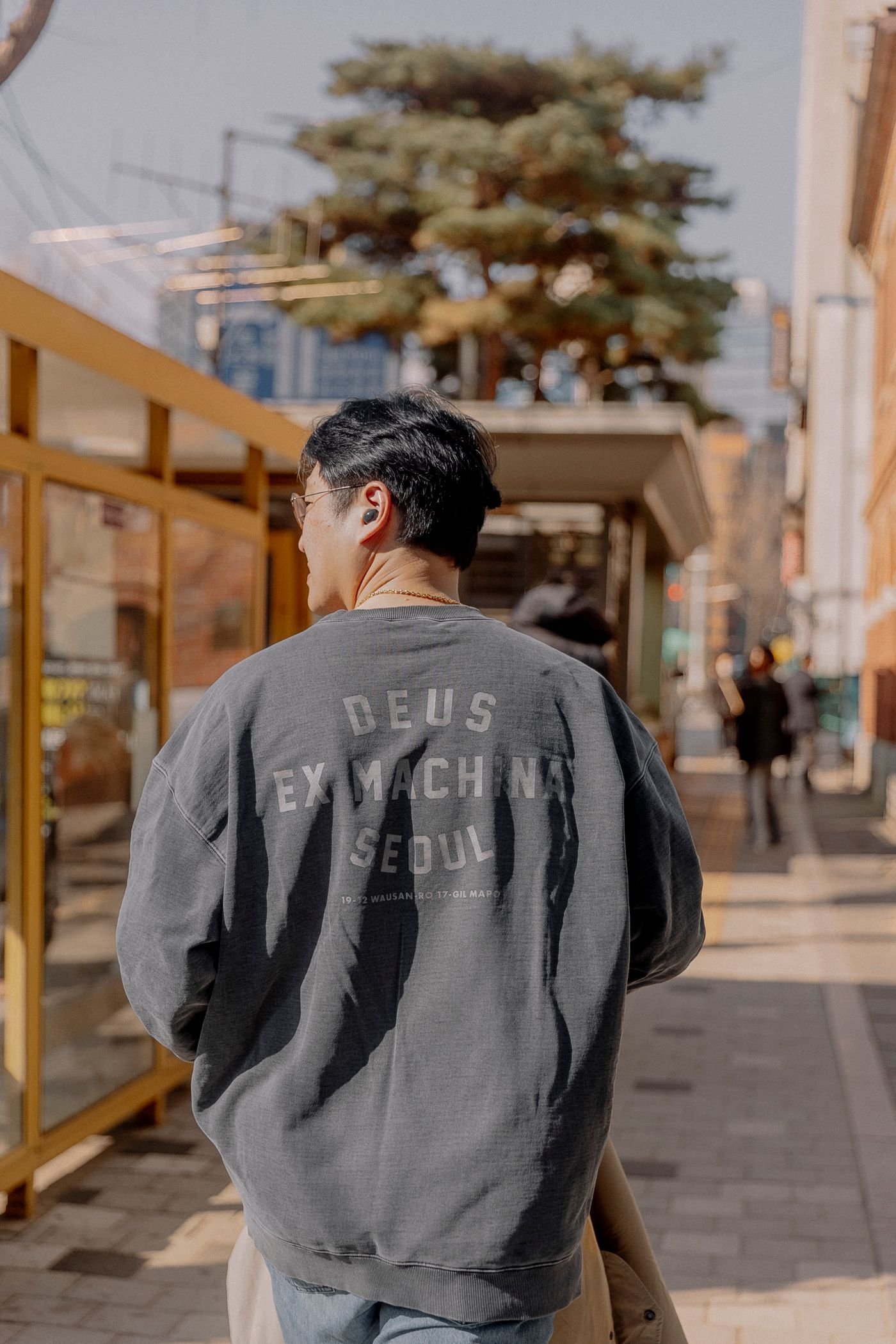
    Back view of a gray graphic sweatshirt styled for the street
    Photo: Pexels

    Gray Crewneck With Dark Jeans

    A gray crewneck and dark jeans make an uncomplicated starting outfit. Add understated sneakers or casual boots, then decide whether you want a visible T-shirt neckline. Keep that detail neat rather than letting several layers gather around the collar.

    For more denim combinations, explore our dark denim outfit guide. Adjust the jeans’ shape to your preferred proportions; straight and relaxed cuts can both work. The aim is a balanced combination, not a rule that every man must wear the same silhouette.

    Navy Sweatshirt With Chinos

    Navy with tan, stone, or olive chinos offers a calmer alternative to denim. Try plain sneakers for a casual finish or loafers if they suit the setting. Check how the sweatshirt hem sits above the waistband.

    This combination can work for an informal lunch or a relaxed office when its dress code allows it. A clean neckline and well-kept shoes help the outfit feel considered. Do not assume that calling it smart casual makes it suitable for every workplace.

    Black Sweatshirt With Black Trousers

    A black sweatshirt with black pants creates a simple tonal outfit. Different textures can give it depth without needing a strong color contrast. You might choose denim, casual tailored pants, or comfortable joggers according to the occasion.

    Look at the shades together in daylight. Slightly different blacks are not a problem, but you should like the overall effect. Use a simple shoe and let the proportions carry the outfit rather than adding accessories solely because the palette is restrained.
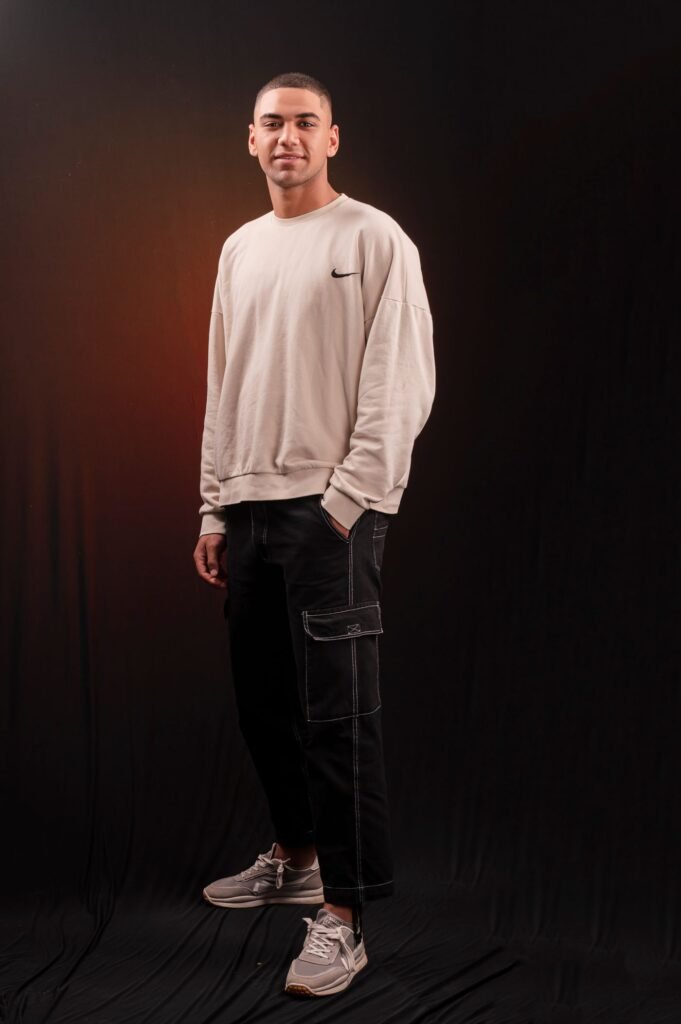
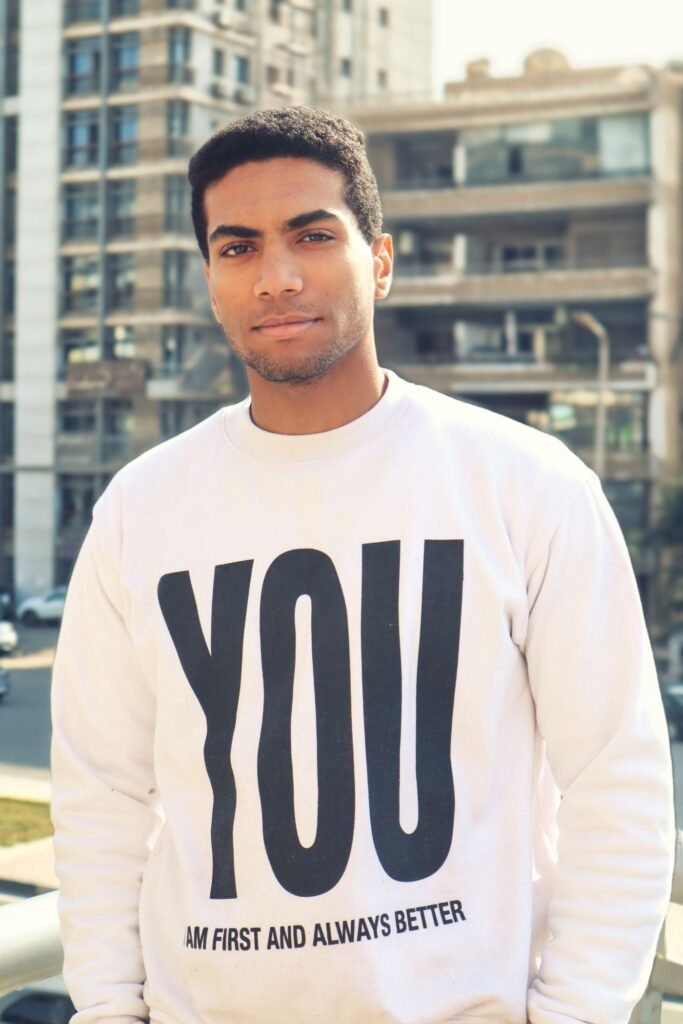
    White or Cream Sweatshirt With Blue Denim

    A light sweatshirt and blue jeans create a clear contrast that works for an easy daytime look. Keep the shoes simple and consider a darker jacket when you want another layer. Cream and bright white offer different impressions, so choose the shade you enjoy wearing.

    Check the fabric’s opacity and how easily its care instructions fit your routine. A pale color can be practical, but it is worth thinking about travel, food, and frequent use before making it your only everyday sweatshirt.

    Sweatshirt Under a Denim Jacket

    A sweatshirt under a denim jacket gives familiar pieces a different role. Choose a jacket with enough room through the sleeves, then check that the layers move comfortably together. A thinner sweatshirt may be easier to accommodate.

    Try contrasting the jacket and pants so the outfit feels deliberate. You can also wear similar denim shades if you like that effect. There is no need to avoid denim combinations automatically; assess the actual colors, fit, and occasion.
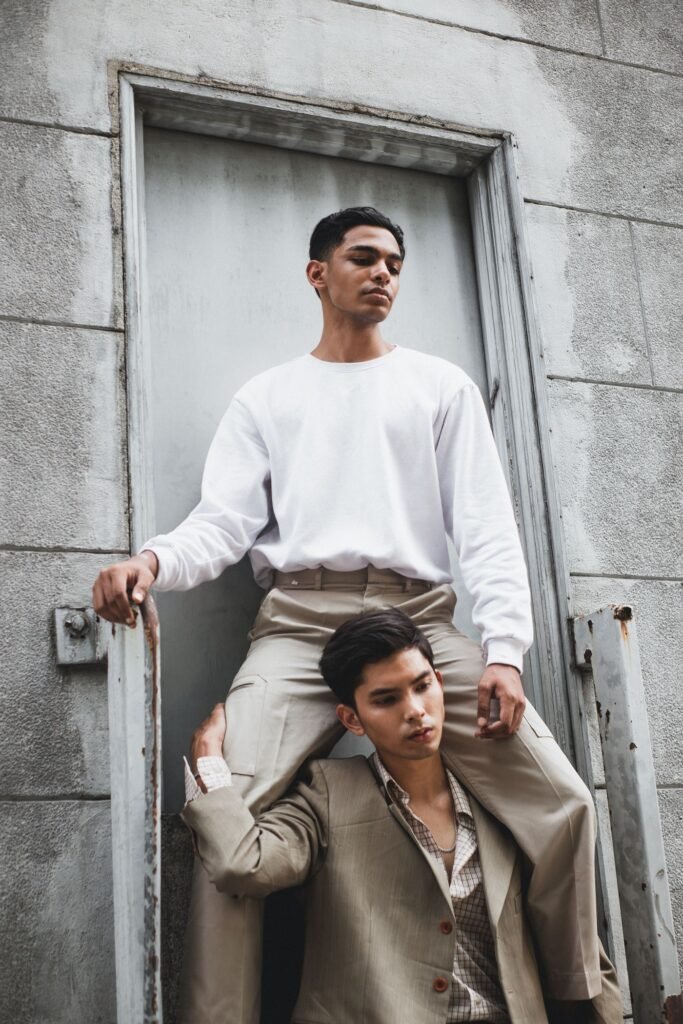
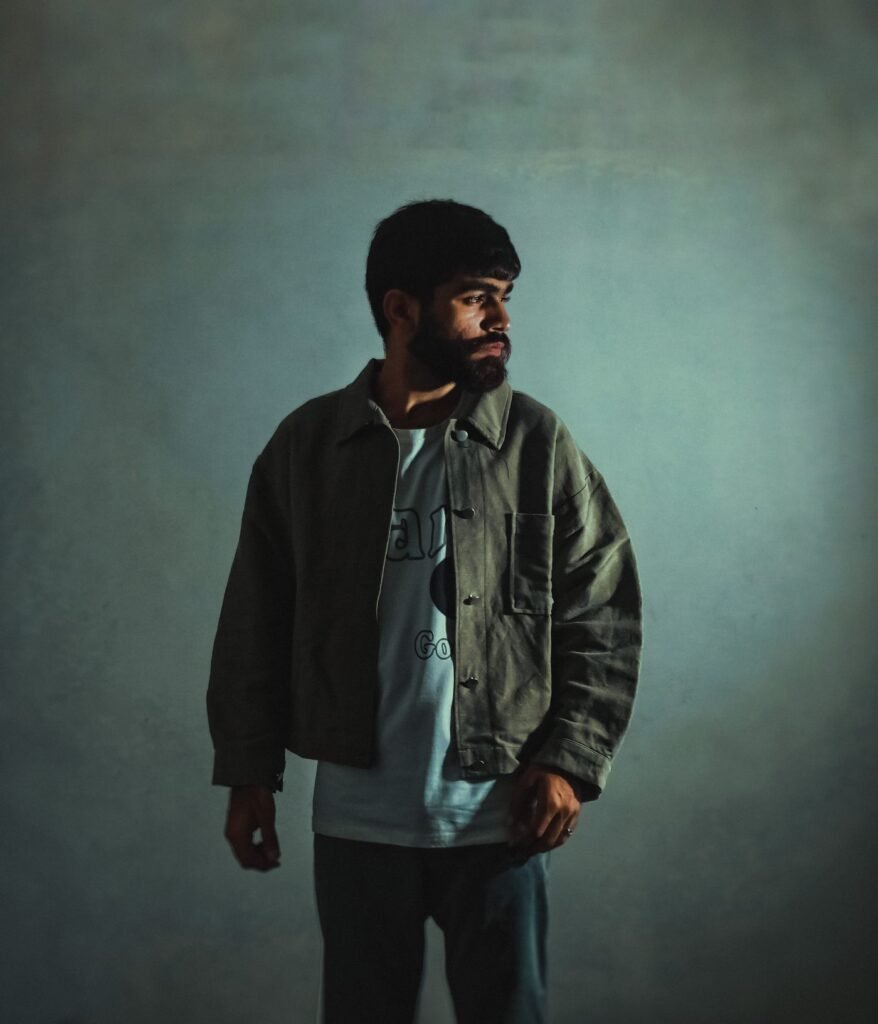
    Crewneck Under a Casual Blazer

    A plain crewneck can sit beneath a relaxed blazer for an informal setting. Start with a relatively simple neckline and avoid excessive bulk through the arms. Casual pants and clean shoes can finish the combination without making it feel like a mismatched suit.

    This is a styling option rather than a replacement for formal clothing. Check the invitation or workplace expectations first. If you spend the evening adjusting the layers, choose a roomier jacket or a different outfit.

    Sweatshirt With Cargo Trousers

    Cargo pants bring more visible structure through pockets and seams. Pair them with a comparatively simple sweatshirt when you want a balanced streetwear outfit. Consider how the trouser width works with the sweatshirt’s volume.

    An oversized top and wide pants can work together, but try the complete silhouette rather than increasing every item’s size independently. A cap or compact bag can be useful additions when they serve your plans. You do not need multiple accessories to make the outfit convincing.

    Matching Sweatshirt and Joggers

    A matching sweatshirt and joggers offer an easy coordinated option for relaxed days and travel. Fit still matters: check the waistband, cuffs, and sweatshirt length rather than assuming a matching set will look balanced automatically.

    Wear the pieces separately as well. The sweatshirt might work with jeans, while the joggers could pair with a different top. That flexibility makes the set more useful than an outfit reserved for one exact combination.


    Sweatshirt With Shorts on a Cool Evening

    A sweatshirt and shorts can be useful when the evening feels cooler than the day. Try a regular or relaxed top with shorts that let you sit and walk comfortably. Trainers or other suitable casual footwear keep the combination straightforward.

    This can suit a coastal visit, a campsite gathering, or an informal weekend. Check the forecast rather than assuming shorts will remain comfortable after sunset. Carry another layer when the plan involves a longer stay outdoors.

    Graphic Sweatshirt With Plain Bottoms

    Let a graphic sweatshirt be the main visual detail by pairing it with relatively simple pants. Look at the print’s colors and decide whether you want to repeat one elsewhere in the outfit. Repeating a color is optional, not a requirement.

    Choose graphics you actually enjoy rather than buying a logo purely for recognition. Check the print’s care instructions and the return policy when shopping online. A photograph cannot tell you everything about the material or how the design looks in person.

    Man wearing a red crewneck pullover against a blue wall
    Photo: Pexels

    Colorful Sweatshirt With Neutral Trousers

    A burgundy, green, or blue sweatshirt can introduce color without changing your whole wardrobe. Start with neutral pants and familiar shoes, then judge whether you like the balance. You can make the combination quieter with a neutral jacket.

    Color choices are personal. Try the sweatshirt alongside the items you already own rather than following a strict seasonal palette. A shade becomes useful when you enjoy wearing it and can combine it with your routine clothes.

    Sweatshirt Beneath a Practical Outer Layer

    For cooler days, build the outfit around a jacket or coat that suits the actual conditions. Check sleeve room and whether the sweatshirt hem bunches beneath the outer layer. The combination should work while walking and sitting, not only in a mirror.

    For broader context, REI’s layering guide explains how layers serve different purposes. A casual cotton sweatshirt is not a substitute for every outdoor layer; match your clothing to the conditions and activity.

    Make Your Wardrobe Work Across USA Seasons

    Weather varies considerably across the United States, so choose for your location and plans rather than a national seasonal label. A lightweight sweatshirt might be useful indoors or on a cooler evening, while another situation calls for a warmer combination and suitable outerwear.

    Keep a few repeatable outfits ready instead of buying for every forecast. Our capsule wardrobe guide offers a framework for choosing pieces that work together. Photograph combinations you like, note any missing practical item, and make your next purchase serve a clear purpose.

    Care for the Sweatshirt You Choose

    Follow the garment’s own washing, drying, and ironing directions. Different fabrics, prints, and trims can require different handling, so avoid applying one universal rule to every sweatshirt. Check the instructions before the first wash and keep them available for future reference.

    The FTC’s care-label guidance explains the role of clothing care instructions. Use the label as your starting point rather than a guess based on color or thickness. Store the sweatshirt neatly and check small issues, such as a loose seam, before they become more inconvenient.

    Frequently Asked Questions

    Which Sweatshirt Color Is Most Versatile?

    Gray, navy, black, and cream are useful starting options, depending on your wardrobe. Choose the shade that works with your existing pants, jackets, and shoes rather than buying every neutral.

    Can Men Wear Sweatshirts for Smart Casual Plans?

    Sometimes. A plain crewneck with chinos or casual pants can suit relaxed settings, but the venue or workplace dress code should guide your decision.

    Should I Size Up for an Oversized Look?

    Not automatically. Compare measurements and consider an intentionally relaxed design. Sizing up can change sleeve length, neckline, and hem placement in ways you may not enjoy.

    Is a Hoodie the Same as a Crewneck Sweatshirt?

    A hoodie has a hood, while a crewneck has a round neckline. Both can serve casual outfits, but their shapes create different layering possibilities.

    What Shoes Work With a Sweatshirt?

    Trainers, casual boots, and sometimes loafers can work. Choose according to the pants, the setting, and how much walking the day involves.

    How Many Sweatshirts Do I Need?

    Start with the number you can regularly wear, wash, and store. A few useful pieces with clear roles can offer more outfit variety than several nearly identical purchases.
  • Fashion for Going Out: Outfit Ideas for Every Plan

    Fashion for Going Out: Outfit Ideas for Every Plan

    Fashion for going out should make getting dressed feel exciting, not like a test you can fail. Whether your plans involve a relaxed café, dinner with friends, a date, or a party, a good outfit connects the occasion with your personal style. You can look polished without buying a completely new wardrobe or wearing something uncomfortable.

    The most useful starting point is the evening itself. Think about where you are going, how you will travel, and how long you expect to stay. Then choose an outfit that lets you enjoy those plans. This guide offers adaptable going-out outfit ideas, practical styling suggestions, and answers to common questions about dressing for a night out.

    Start With Your Plans and Personal Style

    Before opening your wardrobe, identify the mood of the occasion. A casual restaurant, a rooftop gathering, and a formal celebration can call for different levels of dressiness. Check any stated dress code and consider whether your group is planning something relaxed or more dressed up.

    Next, think about the clothes that already feel like you. If you love trousers, you do not need a dress to create an evening look. If you prefer covered silhouettes, long sleeves and a flowing skirt can feel just as intentional as a fitted outfit. Personal comfort and cultural preferences belong in the decision.

    Choose one starting piece, such as a favourite dress, dark jeans, or tailored trousers. Building around a familiar item gives you a clear direction. You can make the finished outfit feel special through fabric, accessories, or a different combination rather than changing everything at once.

    Woman wearing a black top and jeans in an urban setting
    Photo: Pexels

    Casual Going-Out Outfits for Cafés and Friends

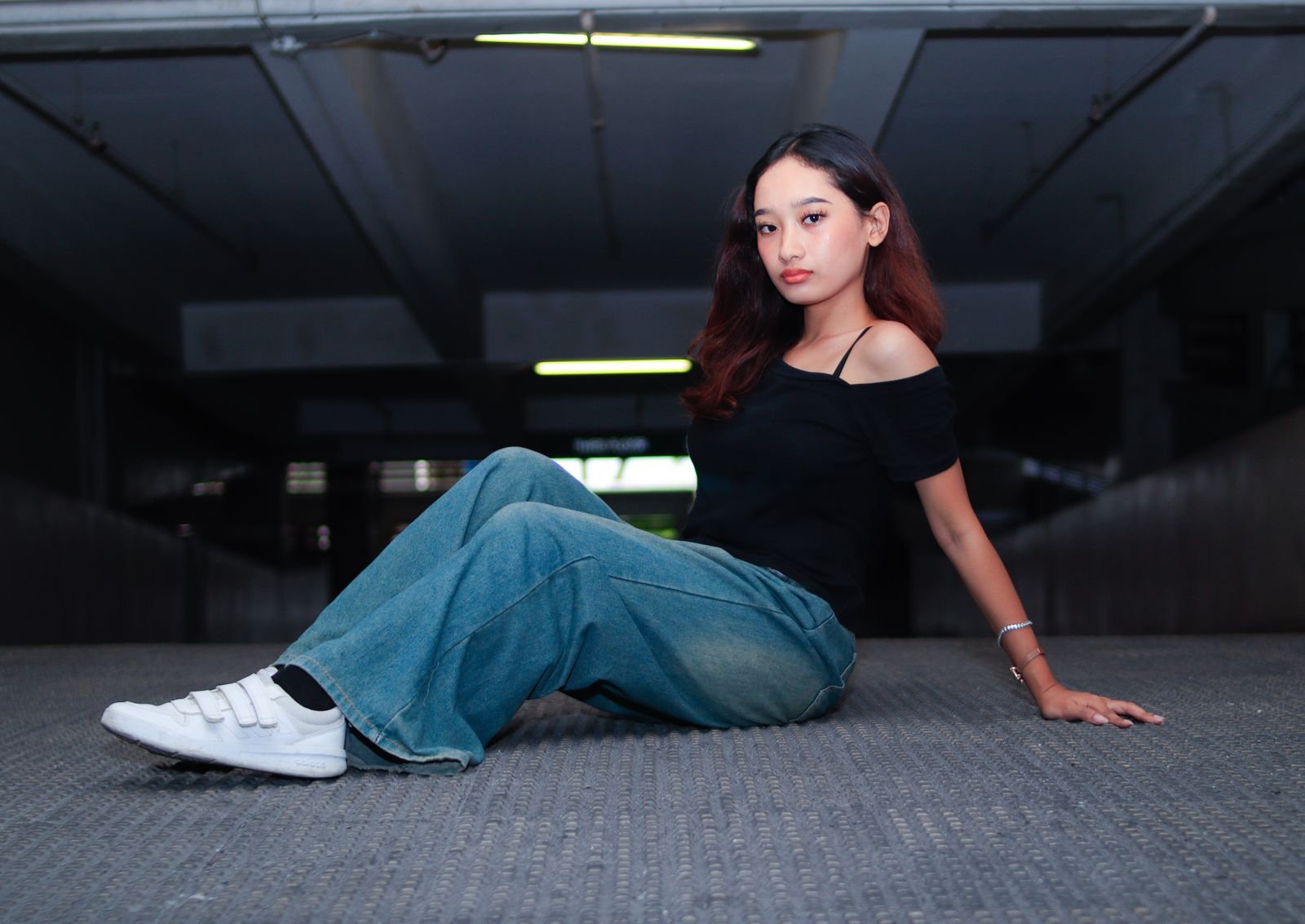
    A simple top and well-fitting jeans can be an easy foundation for an informal outing. Try a knitted top, a crisp shirt, or a blouse with an interesting neckline. Add loafers, clean trainers, or ankle boots according to your walking plans and the setting.

    Make the combination feel deliberate by considering proportions. A shorter jacket can work with high-waisted jeans, while a tucked shirt gives a clearer waistline. If you prefer an untucked top, look at where its hem falls against the trousers rather than following a rigid styling rule.

    A cardigan can also work for an evening that begins casually and continues over dinner. Our cardigan and jeans outfit guide offers more ideas for combining these familiar pieces. Choose accessories that suit the outfit instead of adding several statement items simply to make it feel dressier.

    Women enjoying dinner together in a warmly lit room
    Photo: Pexels

    Dinner Outfits That Feel Polished

    For dinner, tailored trousers and a soft blouse offer a versatile alternative to a dress. A matching trouser set can simplify the decision further. Keep the neckline, sleeves, and fit comfortable enough for sitting, eating, and conversation rather than judging the outfit only while standing.

    A midi dress is another useful option. You might choose a plain colour with distinctive jewellery or a printed dress with quieter accessories. A skirt and fine knit can achieve a similar balance, particularly when you want something that feels composed without being overly formal.

    Look at the whole outfit in the lighting available at home. Check whether fabrics become transparent under brighter light and whether the layers sit smoothly together. These small checks can help you leave feeling prepared rather than discovering an awkward detail at the restaurant.

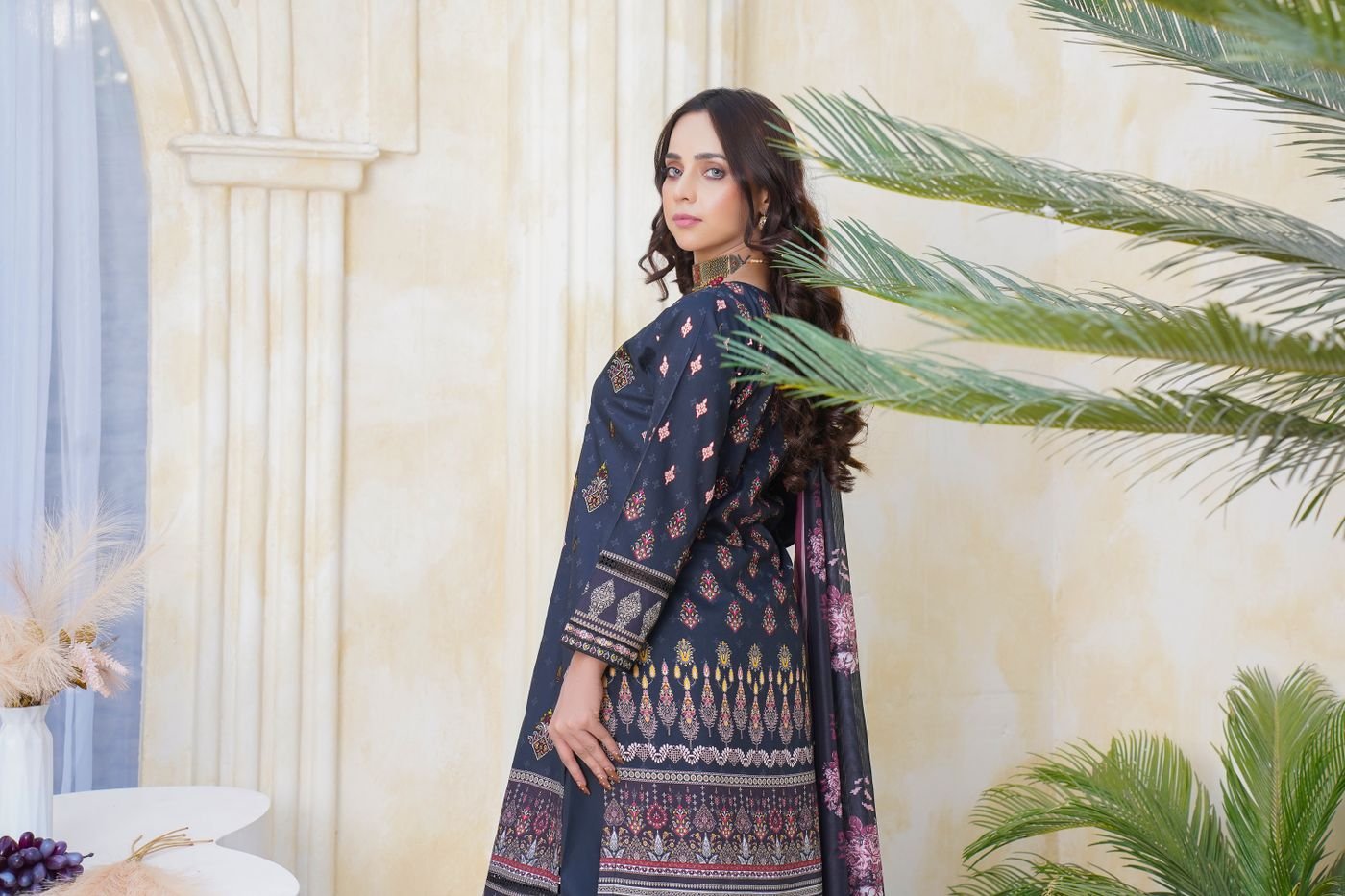
    Traditional Pakistani outfit photographed in Lahore
    Photo: Pexels

    Party Outfits With One Clear Statement

    Party dressing gives you room to experiment with shine, texture, and colour. A sequined top with plain trousers, a rich-coloured dress, or a dramatic blazer can provide a strong starting point. You do not need all three in the same outfit.

    Choose the detail you want to notice first. If the clothes already have sparkle or a bold pattern, a simple bag may create a calmer balance. If you are wearing an understated outfit, distinctive earrings or an interesting shoe can become the focal point.

    Fashion for going out works best when the finished look still feels wearable. Try moving around before leaving, particularly if the outfit has narrow sleeves, a fitted skirt, or straps that need frequent adjustment. A beautiful combination becomes less enjoyable when it requires constant attention throughout the evening.

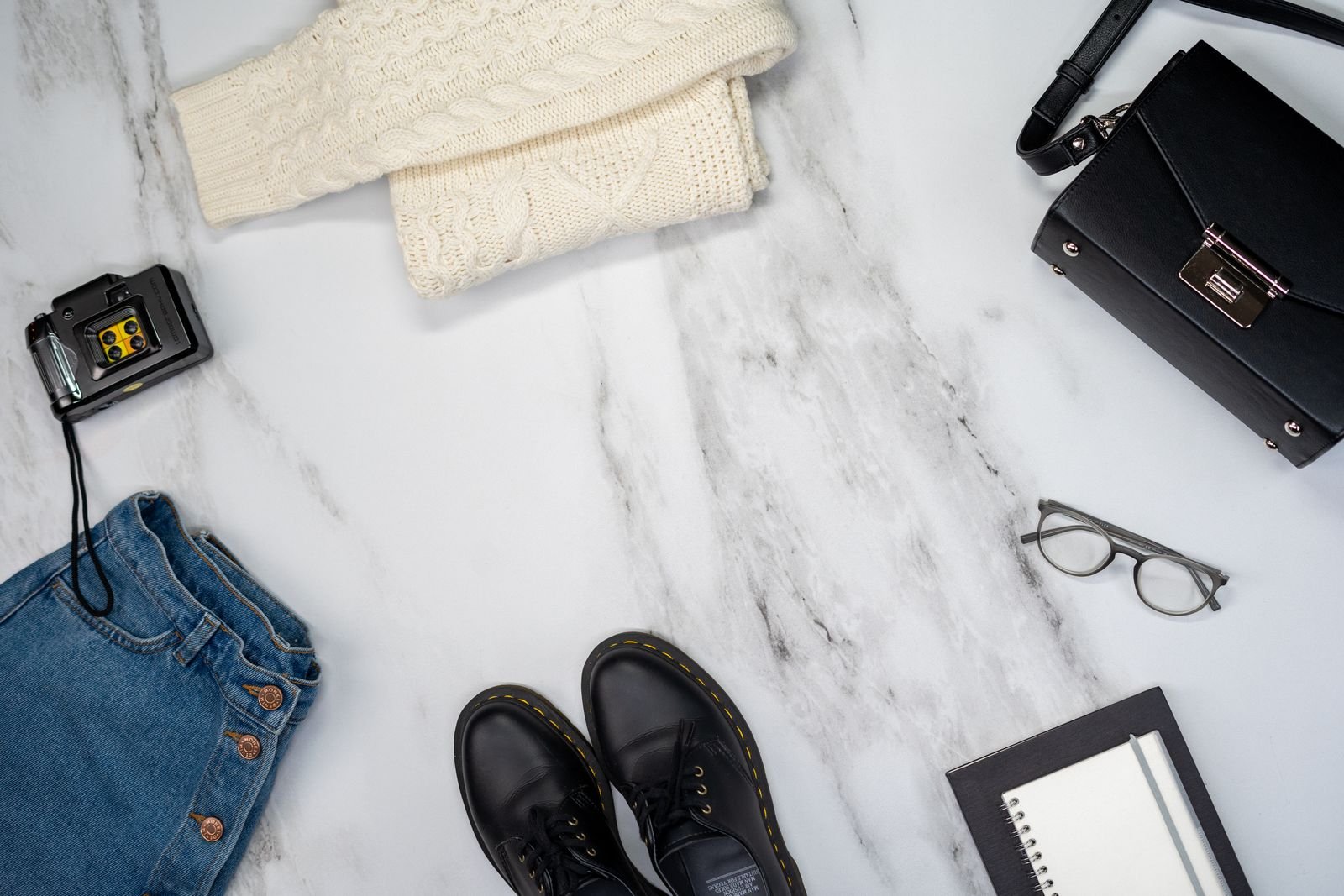
    Jeans, shoes and accessories arranged as a casual outfit flat lay
    Photo: Pexels

    Use Layers to Finish the Outfit

    A blazer can make jeans, trousers, or a simple dress feel more structured. Experiment with the sleeve length and how the jacket falls over the layer beneath it. The goal is a combination you like, not an exact reproduction of a photograph.

    In cooler weather, consider a longer coat, a neat knit, or boots that suit the forecast. A jacket should complement the outfit while also being useful during the journey. Think about where you will leave it when you arrive and whether you need a layer indoors.

    For warm evenings, lighter fabrics and a removable layer can be convenient. If you prefer a scarf, explore our silk scarf styling ideas for ways to introduce colour. Adapt the suggestion to the temperature and your own preferred coverage rather than treating accessories as mandatory.

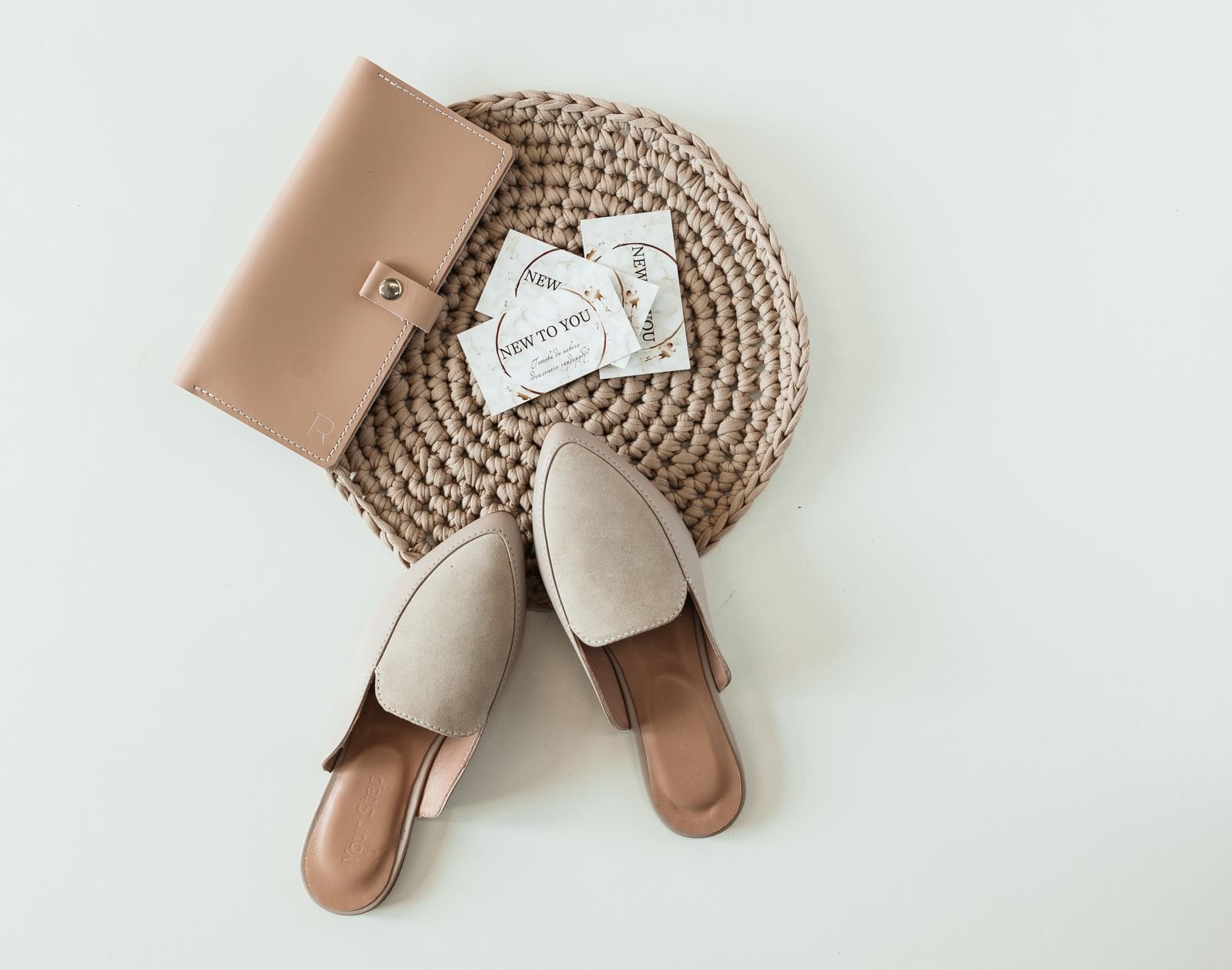
    Shoes and a purse arranged on a light surface
    Photo: Pexels

    Pick Shoes for the Whole Evening

    Choose footwear after considering the route, the venue, and the activities. Dinner with little walking presents a different situation from an evening involving public transport, dancing, or several stops. A pair you already know and enjoy wearing is often an easier choice than unfamiliar shoes.

    Heels are optional. Loafers, dressy flats, ankle boots, and understated trainers can all belong in going-out outfits when they suit the setting. Look at how the shoe shape works with your hemline and whether the outfit feels balanced to you.

    Try your complete outfit with the actual shoes before deciding. Trouser length can change the impression considerably, and a dress may feel different with boots than with sandals. Take a short walk around your room and check that the combination supports your plans.

    Make Bags and Accessories Practical

    A small bag can finish an evening look, but it should hold the things you need. Check your phone, keys, payment method, and any other essentials before choosing it. A secure closure and a comfortable strap may matter more than a striking shape.

    Jewellery can bring a simple outfit together. Consider how earrings relate to your neckline or whether a necklace competes with buttons, ruffles, or an elaborate print. You can repeat a metal finish for cohesion, but there is no requirement to match every detail perfectly.

    Use a mirror to assess the outfit as a whole rather than inspecting each item separately. If something feels too busy, remove one accessory and look again. Editing a combination can be more useful than searching for another item to add.

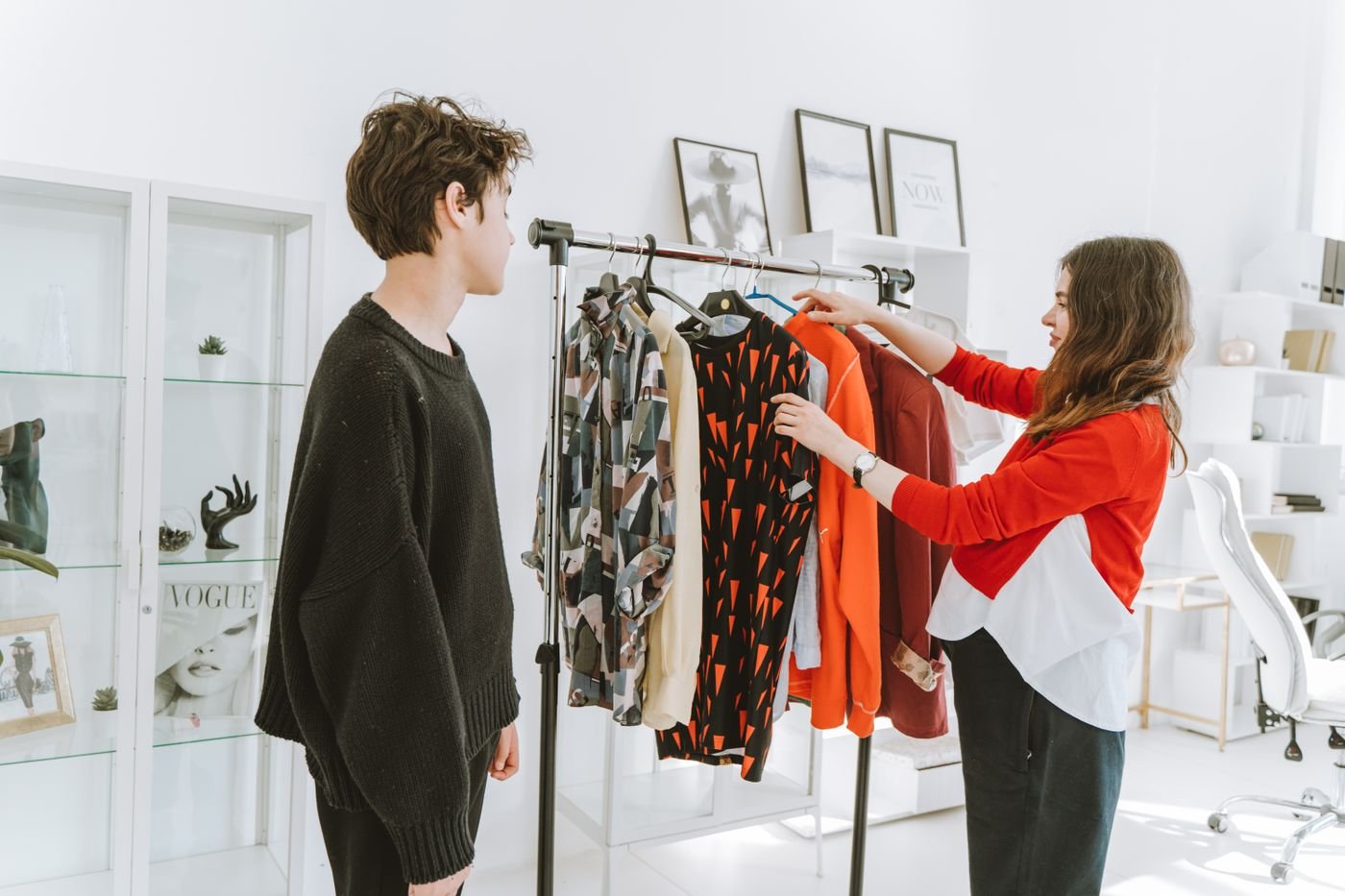
    Two people selecting clothes in a fashion boutique
    Photo: Pexels

    Build a Small Going-Out Wardrobe

    Keep a few reliable combinations in mind for different occasions. One casual outfit, one dinner outfit, and one party option can make future plans easier. Photograph combinations you genuinely enjoy wearing so you can remember the proportions and finishing details.

    Before shopping, identify the actual gap. You might need a useful jacket or a bag that fits your essentials rather than another statement top. Consider whether a new item works with several pieces you own. Repeating clothes in different combinations is a practical part of personal style.

    Give yourself enough time to get ready without rushing the final decision. Lay out the clothes, shoes, and accessories together, then check for missing buttons, marks, or creases. A prepared outfit can save you from last-minute changes that do not suit the evening. If your plans are uncertain, choose a flexible combination and carry a useful layer. Most importantly, leave space for your own taste. Style inspiration is a starting point for experimenting, and your favourite version may look different from the example that inspired it.

    Frequently Asked Questions

    What Does Fashion for Going Out Mean?

    It means choosing clothes for social plans outside your everyday routine. The right level of dressiness depends on the occasion, the venue, any dress code, and what makes you feel comfortable.

    Can I Wear Jeans for a Night Out?

    Yes, when the venue permits them. Pair jeans with a blouse, structured jacket, or a neat knit, then choose shoes and accessories that fit the mood of your plans.

    Do I Need Heels to Look Dressed Up?

    No. Dressy flats, loafers, and boots can create a polished outfit. The overall combination and its suitability for the setting matter more than the height of your shoes.

    How Can I Dress Up a Simple Outfit?

    Try one intentional detail, such as an interesting jacket, a distinctive bag, or statement earrings. Keep the rest of the outfit balanced so the addition feels connected to your personal style.

    What Should I Wear for a Casual Dinner?

    Consider jeans with a blouse, trousers with a knit, or an uncomplicated dress. Check the restaurant’s dress code and choose something comfortable for both the journey and the meal.

    How Can I Avoid Buying a New Outfit Every Time?

    Save photographs of combinations you like, repeat useful basics, and change one finishing detail. A different layer, shoe, or accessory can create variety while keeping familiar clothes in regular use.

  • Linen Pants: How to Choose, Style and Care for Your Pair

    Linen Pants: How to Choose, Style and Care for Your Pair

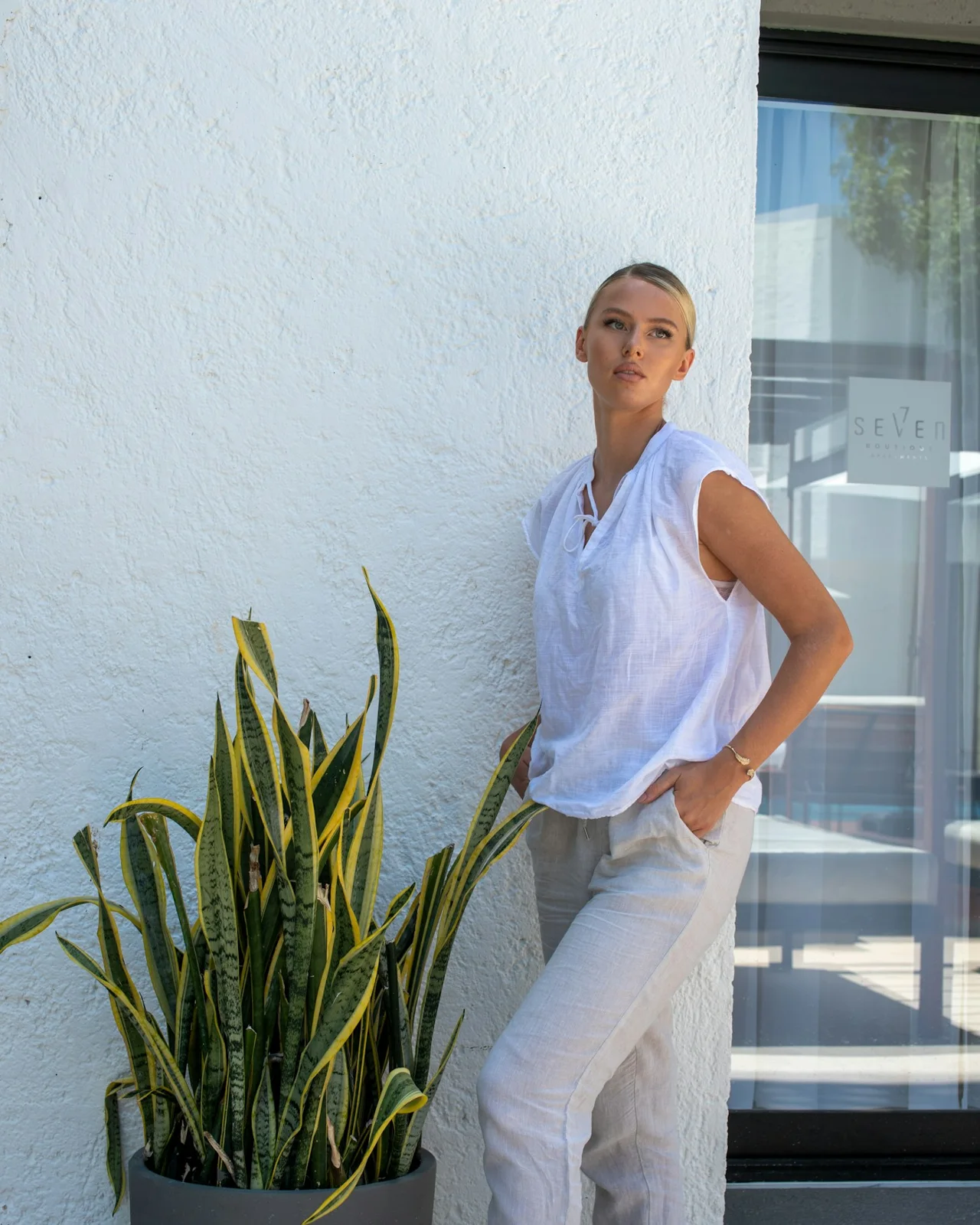
    Linen pants can make getting dressed feel pleasantly uncomplicated. They work with a plain tank, an oversized shirt or a more polished blouse, and their textured surface gives simple outfits character. The trick is choosing a pair that suits your proportions, your shoes and the places you actually go.

    This guide focuses on practical decisions: fabric composition, fit, coverage, outfit balance and care. The photographs offer styling references rather than proof of a garment’s exact fibre content. Always check the label before buying. You do not need a perfect, wrinkle-free finish to wear linen well; a comfortable fit matters much more.

    Start with the fabric label

    “Linen look” and linen are not interchangeable descriptions. Look for a stated fibre composition instead of relying on a product photograph. A linen blend can behave differently from pure linen, so compare the garment’s weight, lining and washing instructions rather than assuming that a higher percentage automatically makes it the right purchase.

    Hold pale fabric against the light and check the seat, pockets and inner seams. Pocket bags sometimes show through white trousers even when the rest of the fabric looks substantial. If you shop online, look for close-up photographs, a clear returns policy and measurements for the rise and inseam.

    Choose a shape that feels comfortable

    Wide-leg linen pants

    Wide legs create an easy, flowing silhouette. Start with a waistband that stays in place without digging in, then check that the fabric falls from the hips without catching. A fitted tank or a softly tucked shirt helps define the waist without making the whole outfit feel tight.

    Straight-leg linen pants

    Straight legs offer a quieter shape and can be easier to style with shoes you already own. They should skim rather than grip the thigh. If the side seams pull forward or the pockets flare when you stand, try another size or cut instead of covering the problem with a longer top.

    Cropped linen pants

    A cropped hem makes the footwear part of the outfit. Try the trousers with your usual sandals or trainers before deciding on alterations. The best length is the one that looks intentional on your body and stays comfortable when you walk, sit and climb stairs.

    Get the fit right before styling

    Use the fitting room as a movement check. Sit down, bend gently and put your hands into the pockets. A waistband that feels fine while standing may become uncomfortable at a desk. Drawstrings offer adjustment, but they cannot fix a rise that is too short or a seat that pulls.

    Full-length hems should not drag along the ground. If you wear both flats and heels, choose the shoes you expect to use most often before shortening the trousers. Keep the original hem allowance where possible so a tailor has room to adjust the length later.

    Six easy ways to wear linen pants

    1. A white tank and light trousers

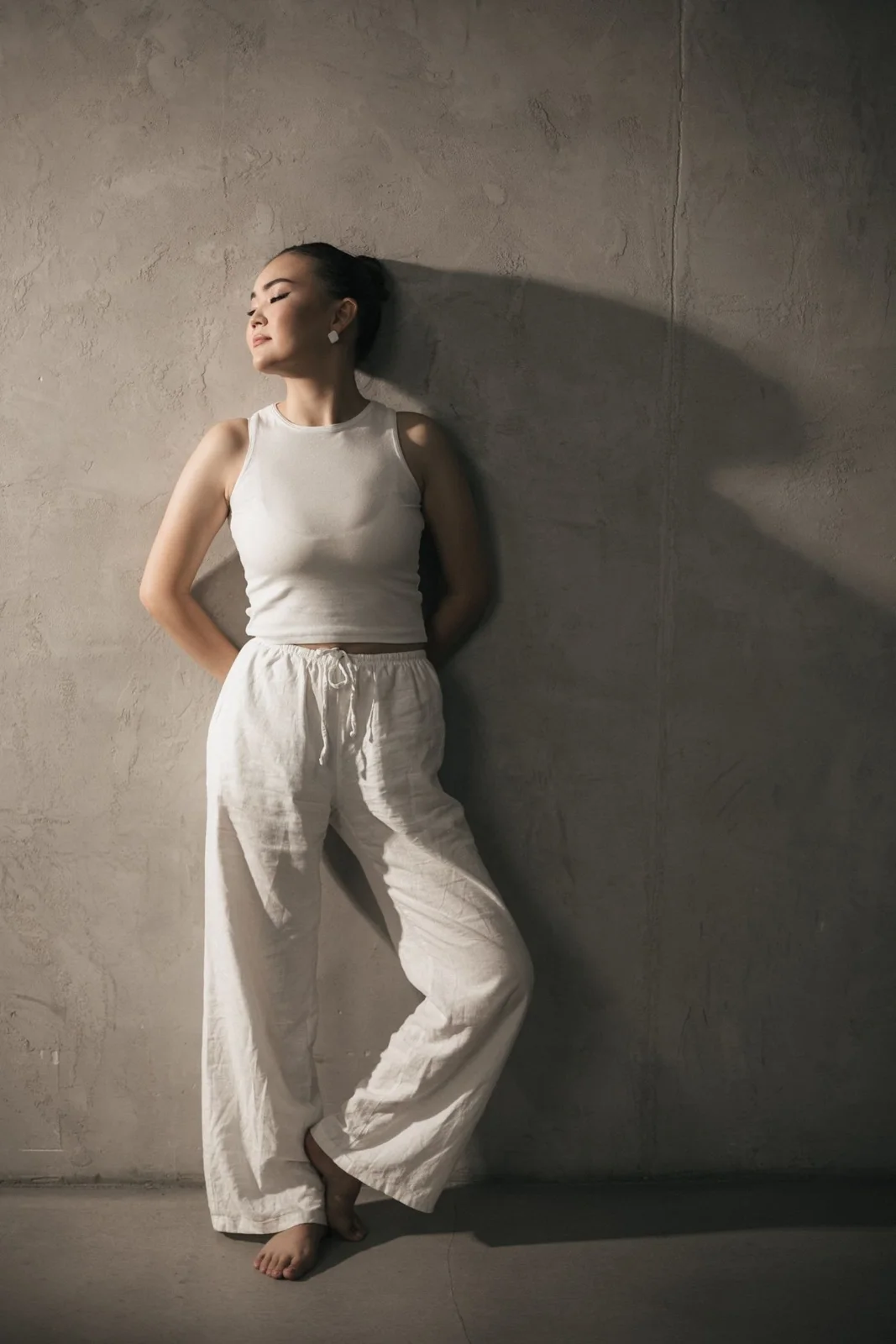
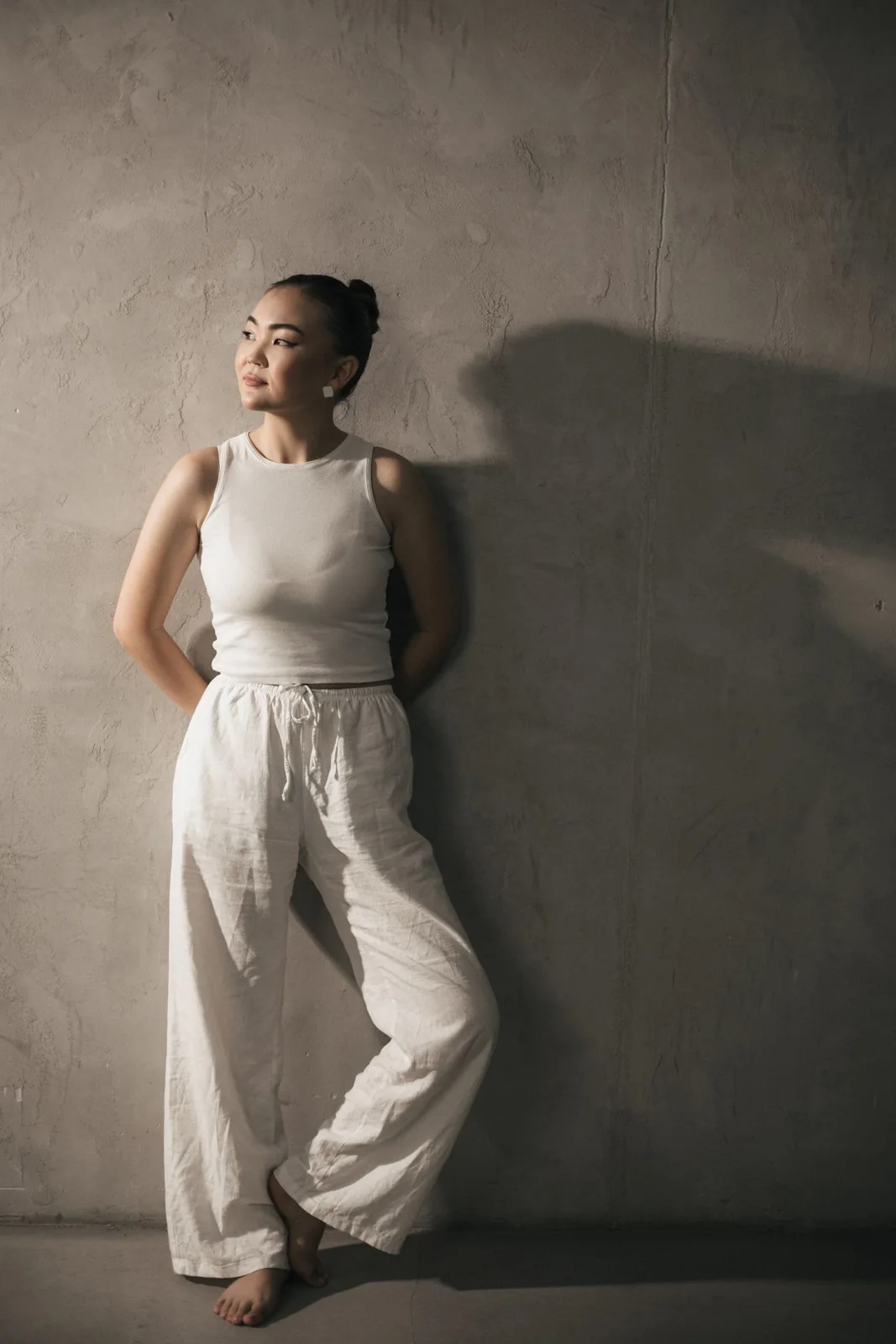
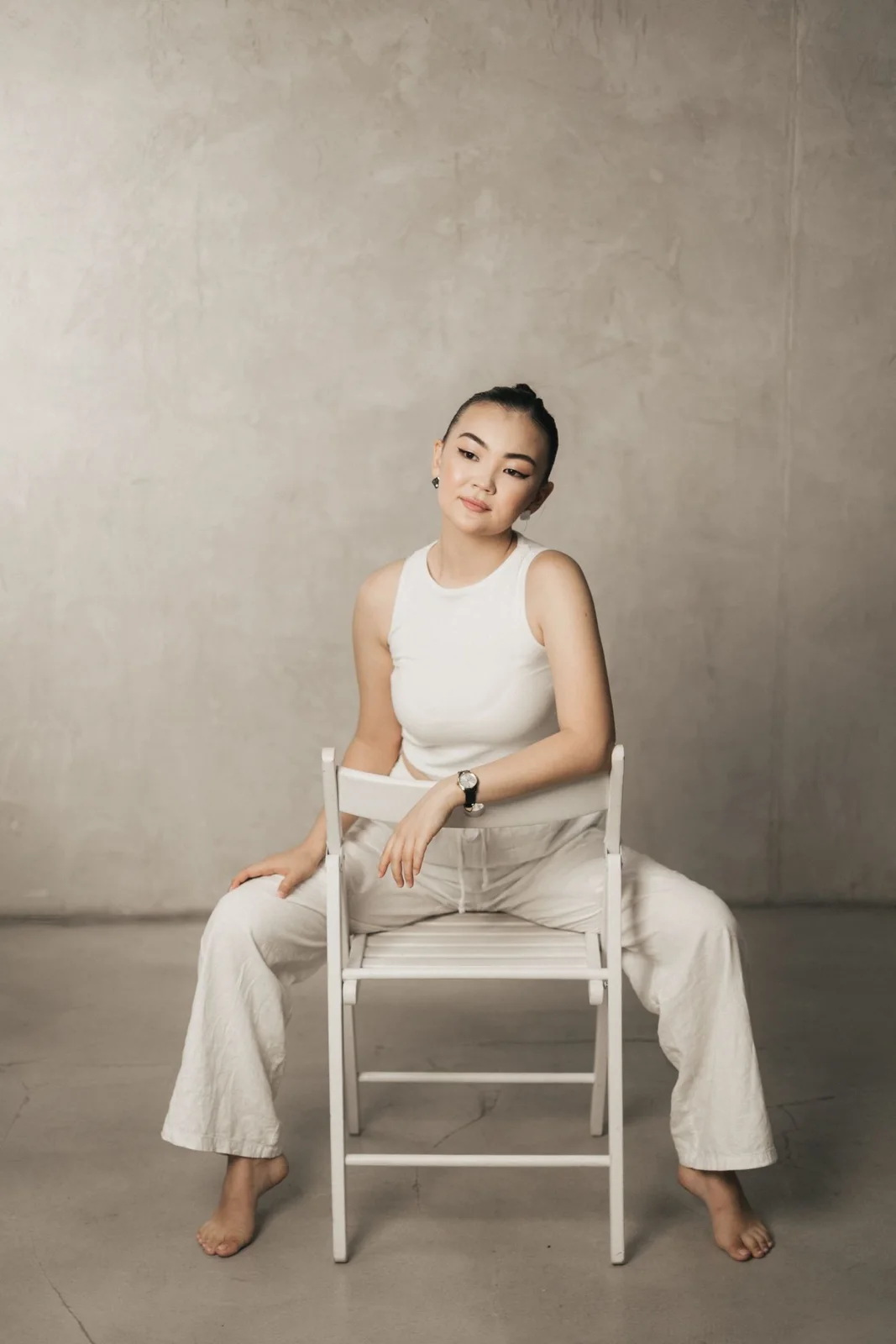
    Keep the first outfit straightforward: light trousers, a tank and flat sandals. Add a belt only if the waistband needs definition. Different shades of white can look attractive together; texture often creates enough contrast. Check coverage in daylight, especially with thin fabrics and strong sun behind you.

    2. A relaxed shirt with a partial tuck

    A loose shirt can feel balanced with wide-leg trousers when you tuck in a small section at the front. Leave the sides relaxed rather than pulling the fabric tightly around the waist. Roll the sleeves neatly and keep accessories simple so the outfit feels easy to repeat.

    3. A polished blouse for everyday work

    For a workplace that allows relaxed tailoring, pair straight-leg linen pants with a blouse and closed-toe flats. Choose a waistband and pocket construction that sit smoothly. If your office has a formal dress code, check its expectations first; a casual drawstring style may not meet them.

    4. A tonal outfit for travel

    Build a travel outfit around two similar neutral shades and shoes you can comfortably walk in. Keep a light layer within reach for air-conditioned spaces. Before packing, test whether the trousers stay comfortable through a long seated stretch. Deep, secure pockets are useful, but do not overload them.

    5. A printed matching set

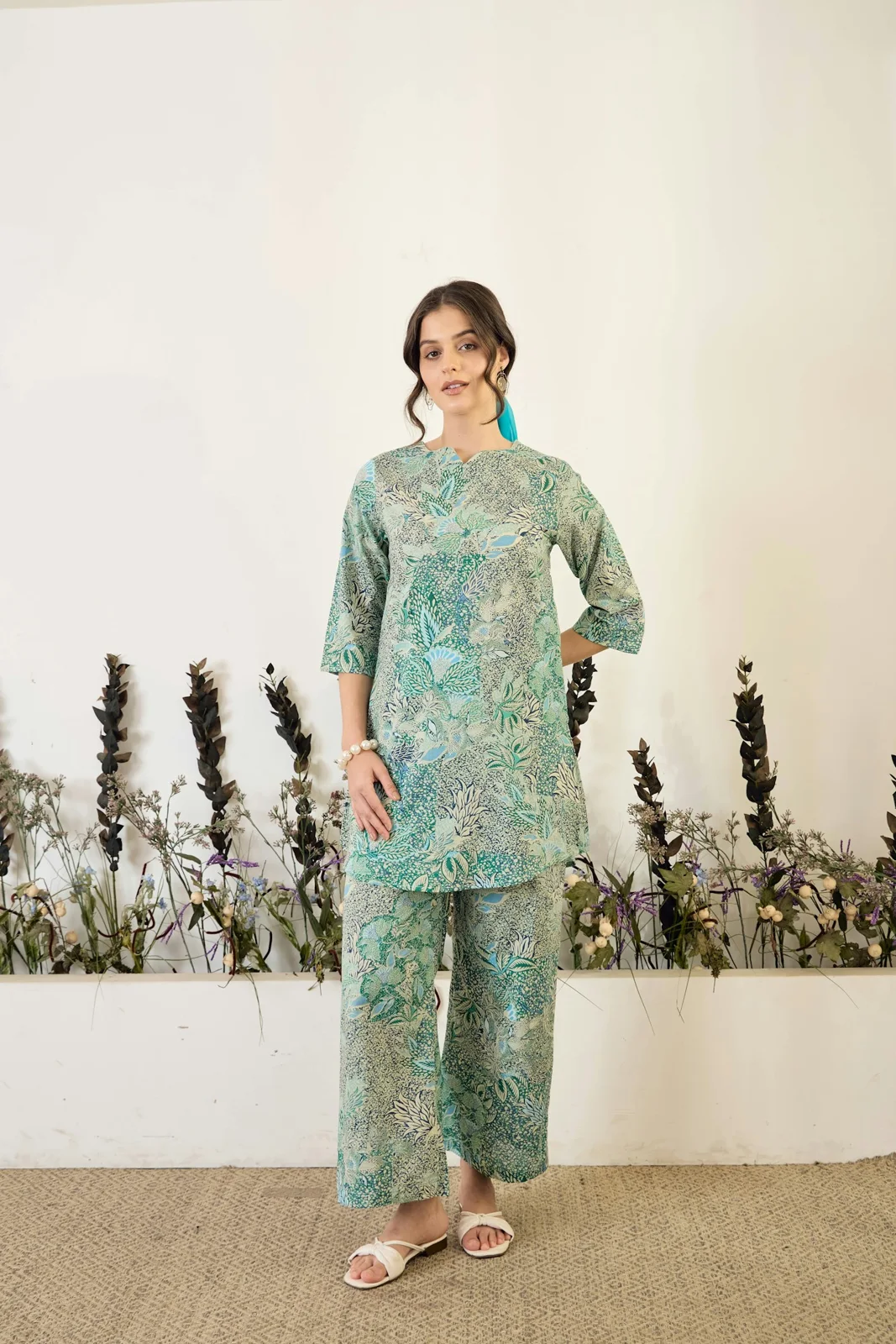
    Printed trousers with a coordinating top can create a complete outfit without extra styling decisions. Choose one colour from the print for your sandals or bag. If the pattern already feels busy, skip a statement necklace. Wear the trousers separately with a plain top to get more combinations.

    6. A soft layer for cooler evenings

    Linen pants need not disappear from your wardrobe at the first cool evening. Add a lightweight knit or cardigan over a simple top. Keep the hem clear of wet pavement and change the footwear to suit the weather. Layering works best when you still have comfortable movement through the waist.

    Pick colours you will actually wear

    White, oatmeal and soft beige are useful starting points, but your existing wardrobe is the better guide. Consider the tops, bags and shoes you already reach for. A darker pair may feel more practical for commuting, while a print can bring interest to otherwise simple outfits.

    If you are reducing unnecessary purchases, our capsule wardrobe guide can help you assess how often a new pair will be worn. Avoid buying three similar colours before you have tried one pair through your normal routine. Repeated outfits are useful information about what works for you.

    Care for linen pants without guesswork

    The care label comes first. The Alliance for European Flax-Linen and Hemp recommends gentle washing for suitable linen garments; construction, trims and linings can change what is appropriate. Use mild detergent, avoid excessive heat and follow the label’s drying instructions. Do not assume every pair is machine washable.

    Hang the trousers neatly after wearing and reshape them while drying. If ironing is permitted, working while the fabric is slightly damp can help. Test the stated heat setting in an inconspicuous area first. Some creasing is part of the appearance; repeatedly using harsh heat to chase every wrinkle is unnecessary.

    Quick questions before you buy

    Will linen pants stretch out?

    Fit can change with wear, and different fabrics and constructions behave differently. Do not size down on a guess. Check the seller’s measurements and reviews, then test the waistband and seat during the return window. A comfortable starting fit gives you a better basis for judging the pair.

    What shoes work with linen pants?

    Sandals, flats and simple trainers are easy starting points. Match the shoe to the hem length and your plans for the day. A shoe that catches the fabric or makes the hem trail is a practical problem even when the combination looks good in a photograph.

    How many pairs do you need?

    Start with one useful pair rather than a collection. Wear it with several existing tops, wash it according to the label and notice which combinations feel natural. Our cardigan and jeans outfits guide offers layering ideas you can adapt, while keeping linen pants as the focus of your outfit.

    Before checkout, confirm the fabric composition, comfortable rise, usable pockets, suitable hem length and care routine you can maintain.

  • Skinny Jeans: A Practical Guide to Fit and Styling

    Skinny Jeans: A Practical Guide to Fit and Styling

    What Are Skinny Jeans?

    Skinny jeans follow the shape of your legs from the hips to the ankles. Their close cut creates a clean outline that works with simple T-shirts, soft knits and tailored layers. Getting that outline right starts with comfort: a good pair should feel fitted without making ordinary movement difficult.

    You do not need a completely new wardrobe to wear them well. Start with a wash you like, check the waistband and hem, then build an outfit around the shoes you already own. This guide explains how to choose skinny jeans and style them with practical, repeatable combinations.

    How Skinny Jeans Should Fit

    The waistband should sit securely when you stand, walk and sit. If it gaps at the back while the thighs feel tight, try another cut rather than forcing a smaller size. A contoured waistband or a different rise may suit your proportions better.

    Look at the front pockets and fly. Pockets that pull open or a zip area that strains can suggest the jeans are too tight. At the knees and ankles, a close fit is expected, but heavy bunching usually means the leg length needs adjusting.

    Try These Checks Before Buying

    • Sit down and bend your knees without the waistband digging in.
    • Walk a few steps and check that you are not constantly pulling the jeans up.
    • Make sure the pockets lie reasonably flat and the seams stay straight.
    • Try the jeans with your usual shoes to judge the hem length.

    Choose the Right Rise and Denim

    High-rise skinny jeans can provide a defined waist and work neatly with tucked tops. Mid-rise options may feel more comfortable if you prefer the waistband lower. Neither is automatically more flattering; choose the position that feels right while sitting as well as standing.

    Read the fiber label instead of judging stretch by appearance. Cotton-rich denim can feel structured, while stretch blends allow more give. Try the fabric, then check how it recovers after movement. A soft pair that immediately bags at the knees may not give you the shape you want.

    Pick a Wash You Will Actually Wear

    Dark indigo skinny jeans are an easy starting point for polished outfits. Black creates a simple base for tonal dressing, while medium blue feels relaxed with everyday tops. Light washes show more contrast against dark shoes, so consider the whole outfit before choosing.

    Look beyond the color to the finish. Clean denim is easier to dress up than heavy distressing, and subtle fading can add interest without dominating the look. If you are buying one pair, picture three outfits from your current wardrobe before deciding.

    Before ordering online, compare the listed waist, hip and inseam measurements with a pair you enjoy wearing. Check whether the retailer measures the garment or the body, because those figures are different. Keep the return policy handy until you have tried the jeans with your everyday shoes.

    Five Ways to Style Skinny Jeans

    Each combination below keeps the jeans at the center. The images illustrate styling ideas rather than specific products to buy. Change the colors or layers to suit your wardrobe, but keep the fit and proportions comfortable.

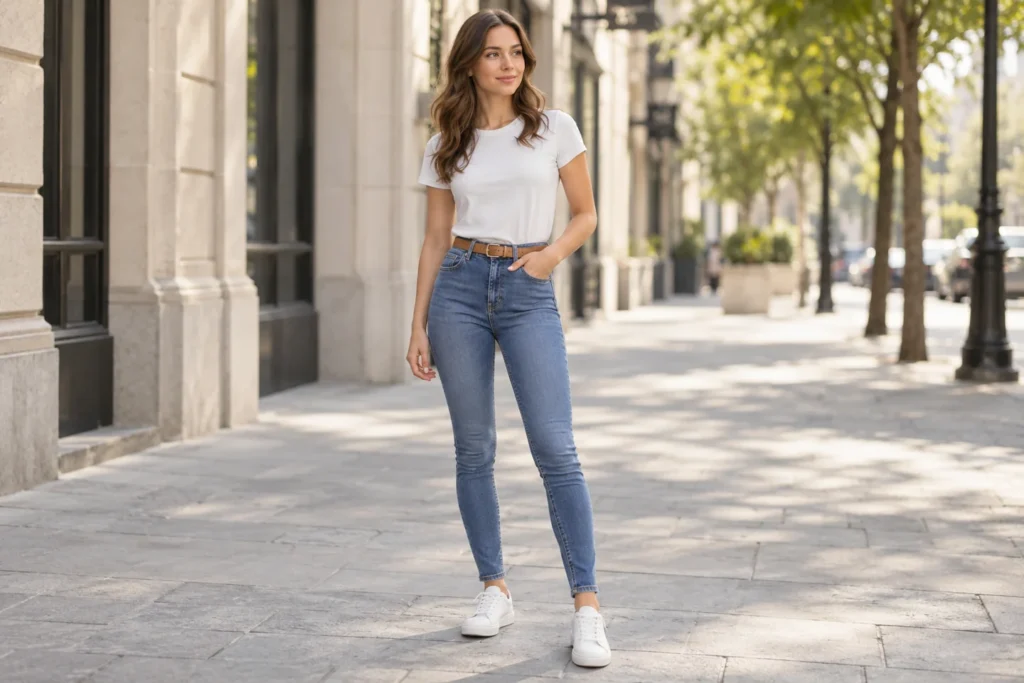
    1. Blue Skinny Jeans with a White T-Shirt

    A white T-shirt and blue skinny jeans make a reliable everyday combination. Choose a T-shirt that skims the body rather than pulling tightly across it. Tuck it fully for a clear waistline, or try a small front tuck if you prefer a more relaxed finish.

    Low-profile sneakers keep the look easy to walk in. Add a simple belt only if it improves the fit or connects with your shoes. Avoid piling on accessories: clean denim, a good neckline and comfortable footwear already give this outfit enough structure.

    Woman wearing blue skinny jeans with a white T-shirt, tan belt and white sneakers

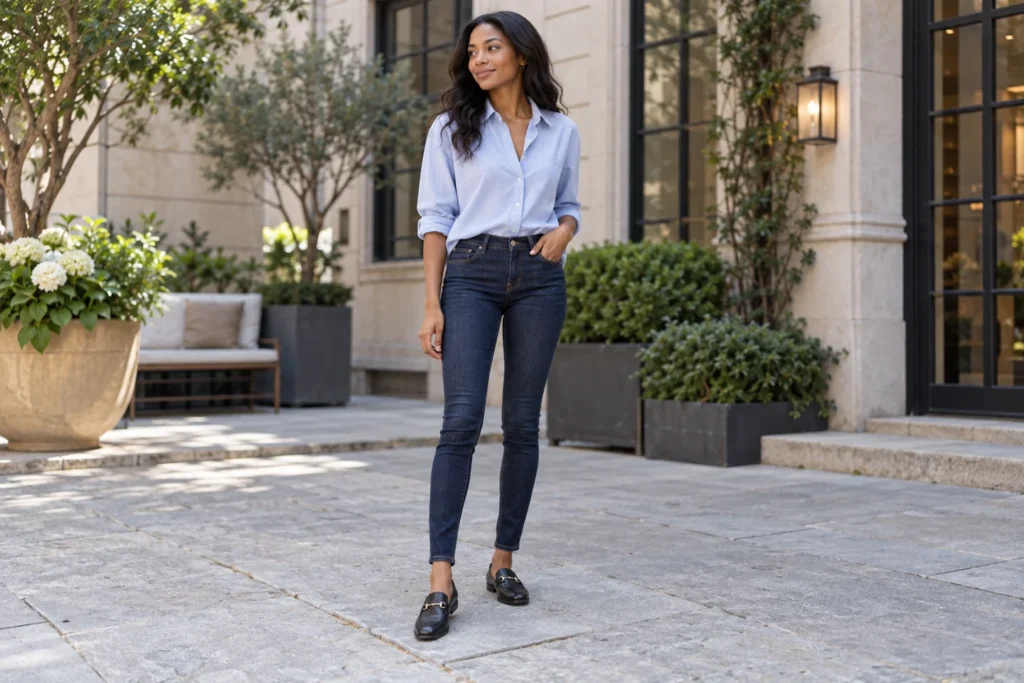
    2. Dark Skinny Jeans with a Button-Down

    Pair dark indigo jeans with a softly relaxed button-down shirt for a tidy daytime outfit. Pale blue, white or a fine stripe keeps the combination uncomplicated. Leave a little room through the shoulders and sleeves so the shirt balances the close-fitting jeans.

    Loafers work well when the hem meets the top of the shoe without bunching. Roll the sleeves lightly and tuck the shirt if you want more definition. For workplaces that allow denim, check the dress code before treating this combination as officewear.

    Woman wearing dark indigo skinny jeans with a pale blue shirt and black loafers

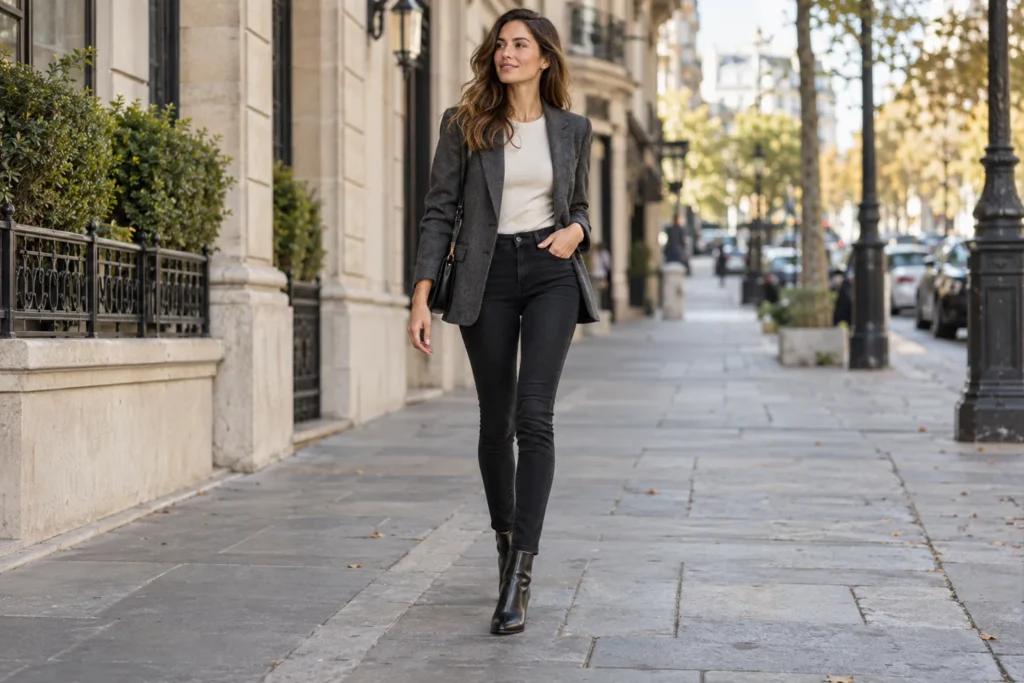
    3. Black Skinny Jeans with a Blazer

    Black skinny jeans provide a clean foundation for an evening outfit with a tailored blazer. An ivory top adds contrast, while a charcoal or black jacket creates a quieter palette. Choose a blazer that hangs comfortably rather than fastening tightly over your hips.

    Ankle boots can keep the outfit streamlined. Check where the hem meets the boot opening: too much denim gathered there can look untidy and feel uncomfortable. A small bag and one simple accessory are enough; let the jacket and dark denim carry the look.

    Woman wearing black skinny jeans with a charcoal blazer and ankle boots

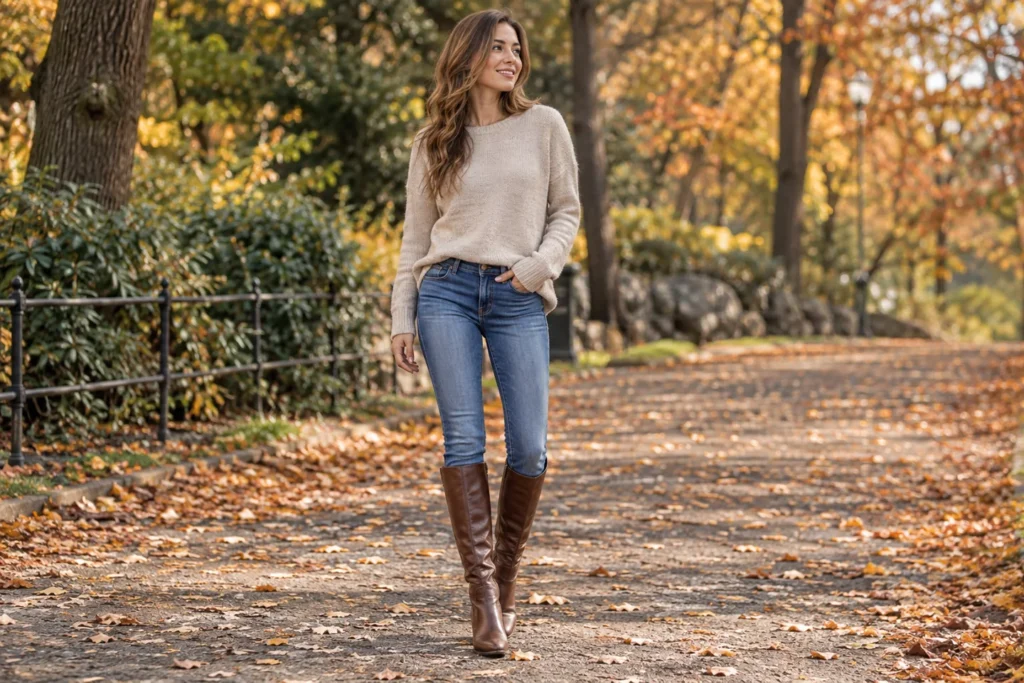
    4. Skinny Jeans with a Sweater and Tall Boots

    A soft sweater brings a relaxed shape to skinny jeans without making the outfit feel oversized everywhere. Oatmeal, grey or cream works easily with medium blue denim. Try a sweater that ends around the hip, then adjust the tuck according to its thickness.

    Tall boots are useful because the narrow jean leg can sit inside the shaft. Smooth the denim before putting the boots on, and check that the calf area does not feel compressed. Choose a comfortable sole and leave enough room to walk naturally.

    Woman wearing blue skinny jeans with an oatmeal sweater and brown knee-high boots

    5. Skinny Jeans with a Cardigan and Flats

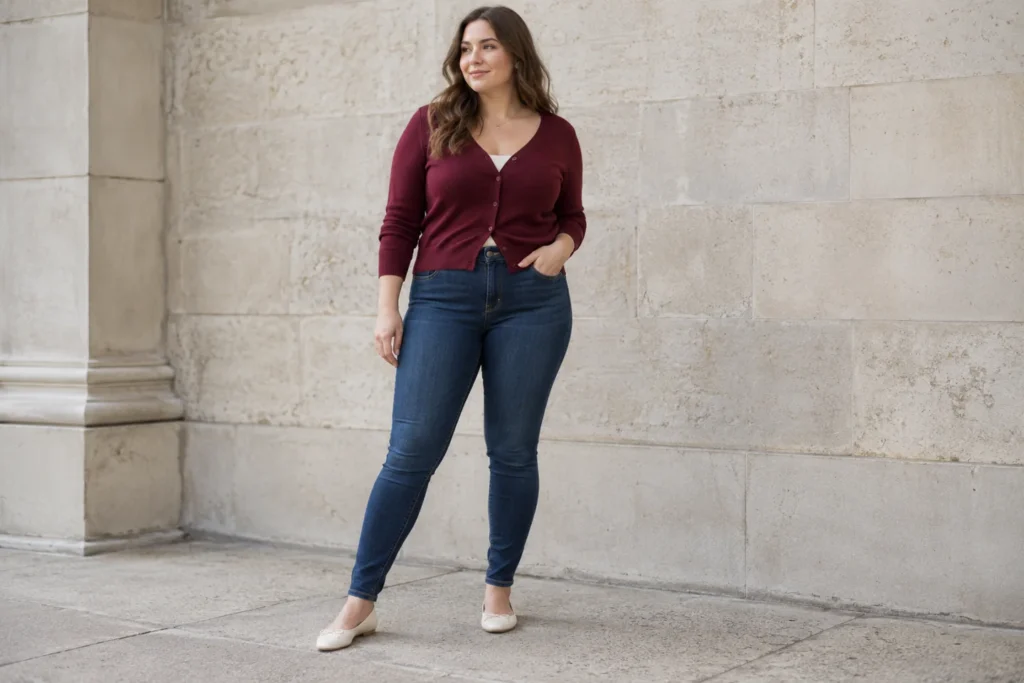
    A fine-knit cardigan and dark skinny jeans offer a softer alternative to a jacket. Burgundy, navy or cream can add interest while staying easy to combine. Wear a light top underneath, or button the cardigan comfortably if its neckline and fit allow.

    Ballet flats keep the outfit simple, especially with an ankle-length hem. Check that the shoes feel secure and provide the comfort you need for your day. For more ways to vary the knitwear layer, explore our cardigan and jeans outfit ideas.

    Woman wearing dark blue skinny jeans with a burgundy cardigan and cream ballet flats

    Styling Mistakes Worth Checking

    The most common problem is choosing jeans that look good standing still but feel restrictive in use. Another is an ankle hem that gathers heavily over shoes. Try the outfit in motion, and consider alterations when the waist fits but the length does not.

    Balance is personal, so you do not have to wear something oversized on top. A fitted shirt can work too. The useful question is whether the outfit feels comfortable and intentional. Keep one detail as the focus instead of competing patterns, distressing and bulky accessories.

    How to Care for Skinny Jeans

    Follow the garment’s care label, especially for stretch denim. Different blends and finishes need different treatment, so avoid assuming every pair can handle the same wash temperature or drying method. Turn jeans inside out if the instructions recommend it, and separate colors when required.

    Check stains promptly and avoid unnecessary harsh treatment. If the jeans lose shape, do not automatically use high heat to shrink them; that can change the fit unpredictably. Levi’s denim guidance also emphasizes following garment care instructions for preshrunk jeans.

    Skinny Jeans FAQs

    Can Skinny Jeans Work for Different Body Shapes?

    Yes. Look for a comfortable rise, enough room at the hips and thighs, and a waistband that stays in place. The label size matters less than how the individual cut fits your body.

    What Shoes Look Good with Skinny Jeans?

    Sneakers, loafers, flats and boots can all work. Match the hem length to the shoe opening, and choose footwear that supports the amount of walking you plan to do.

    Make Your Skinny Jeans Easy to Wear

    Choose fit first, then use a few familiar tops and shoes to build outfits you will repeat. When the waistband, denim and hem feel right, skinny jeans become a useful everyday piece rather than something you keep adjusting.

  • Christmas Pajamas: 10 Cozy Looks for the Whole Family

    Christmas Pajamas: 10 Cozy Looks for the Whole Family

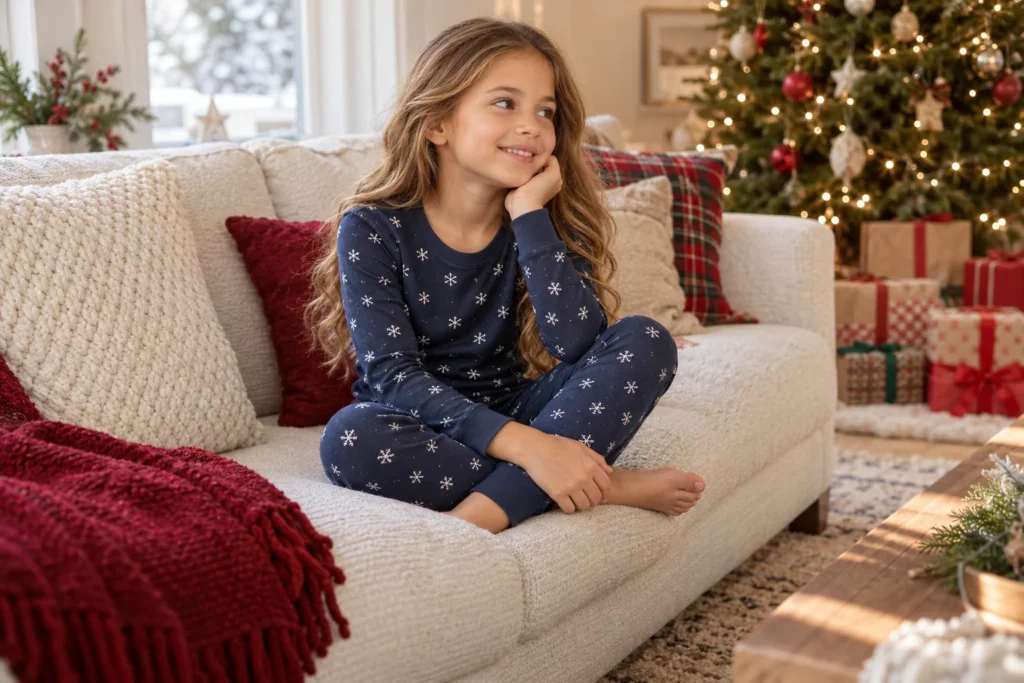
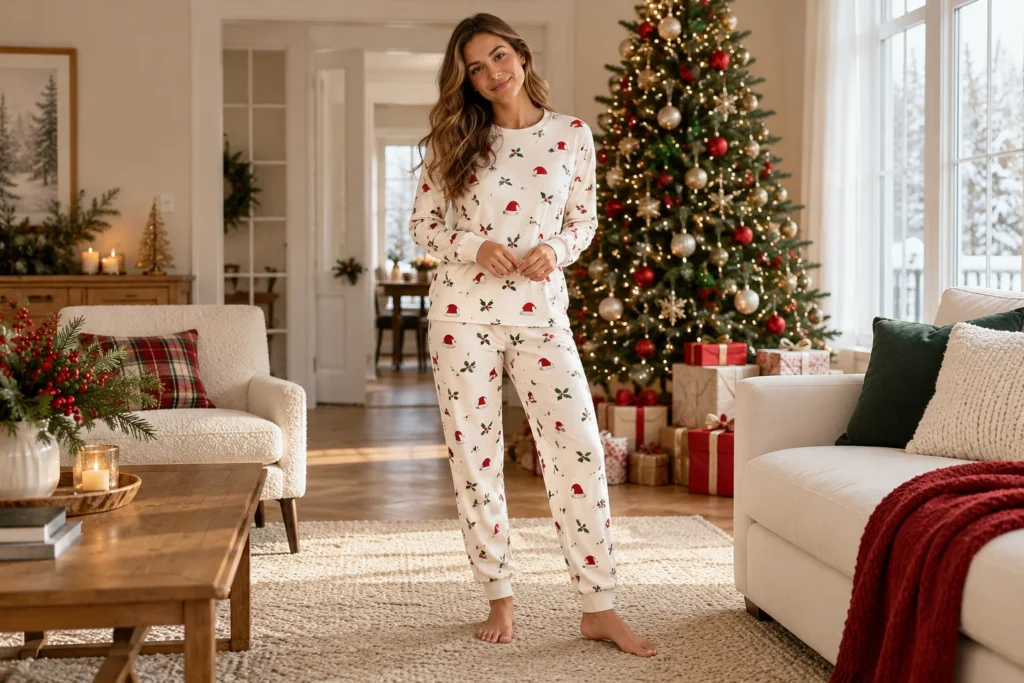
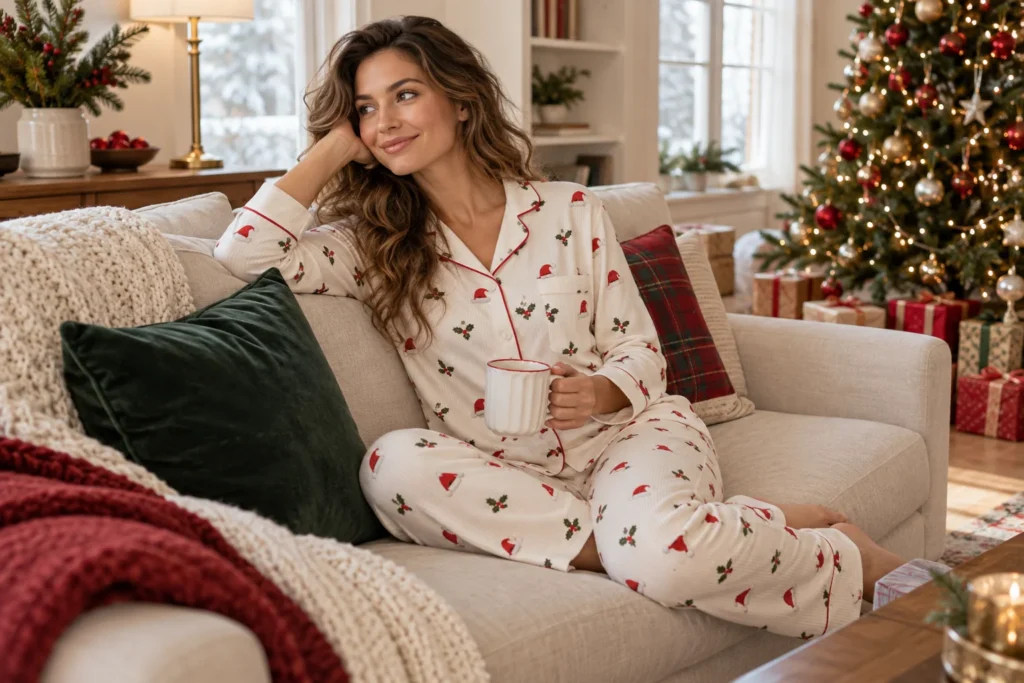
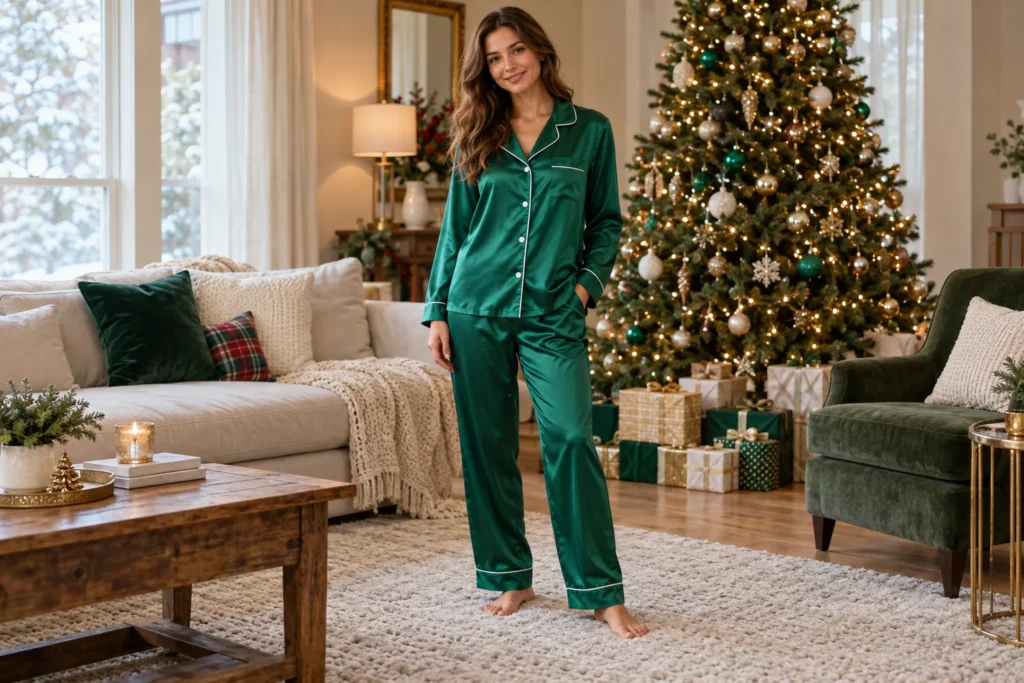
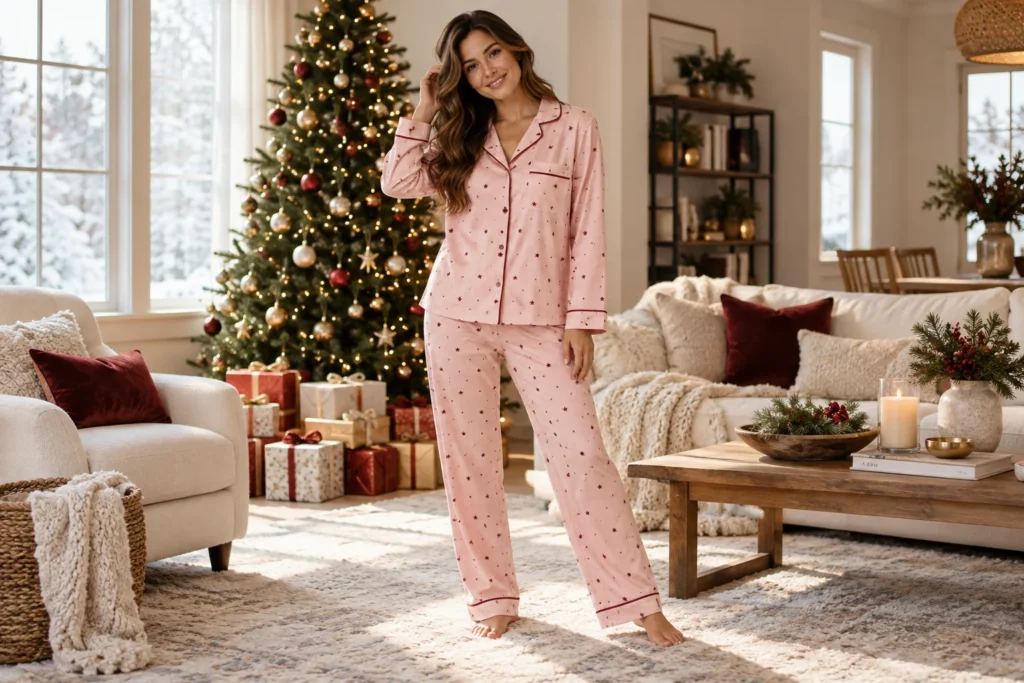
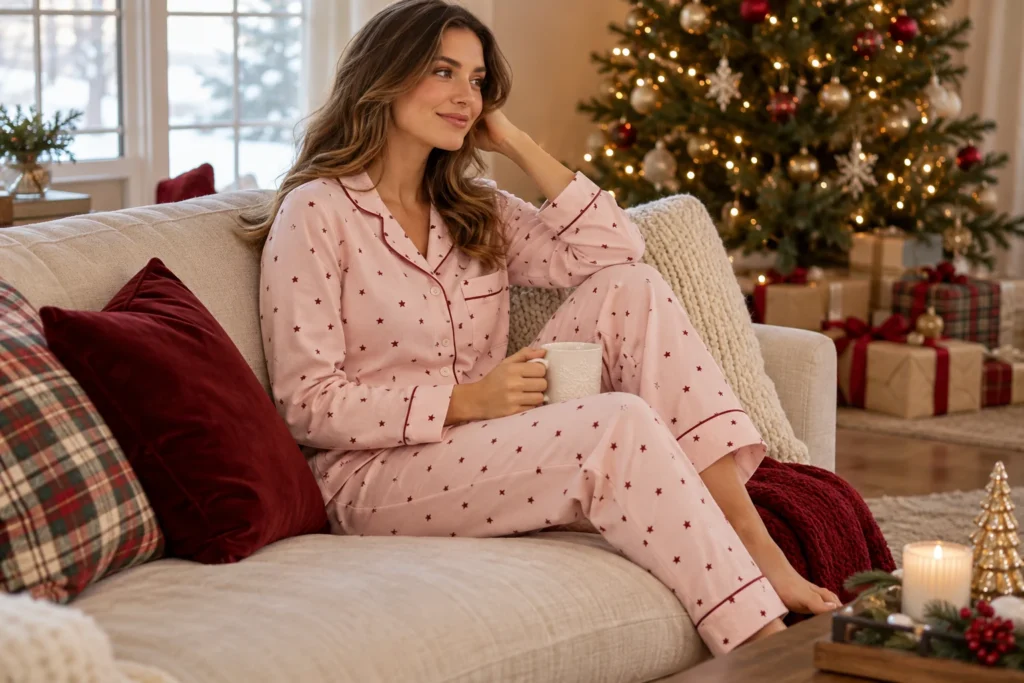
    Christmas pajamas turn an ordinary evening at home into part of the celebration. A checked family set, a playful Santa print or a softly draped pair of women’s festive PJs can make decorating, watching a film and opening presents feel a little more special. The best choice also feels comfortable long after the photographs are finished.

    This guide brings together ten Christmas pajama ideas, from family matching Christmas pajamas to kids’ prints and understated adult sets. Each look has two images so you can compare the pattern, shape and styling. The images are styling concepts rather than photographs of products available to buy; use them to decide what to look for in a real garment.

    Choose Your Christmas Pajama Look

    • For a classic family photograph: red-and-green tartan.
    • For playful holiday evenings: candy-cane stripes or Santa prints.
    • For a quieter women’s look: emerald piping, burgundy ribbing or blush stars.
    • For coordination without identical outfits: repeat two or three colors across different sets.

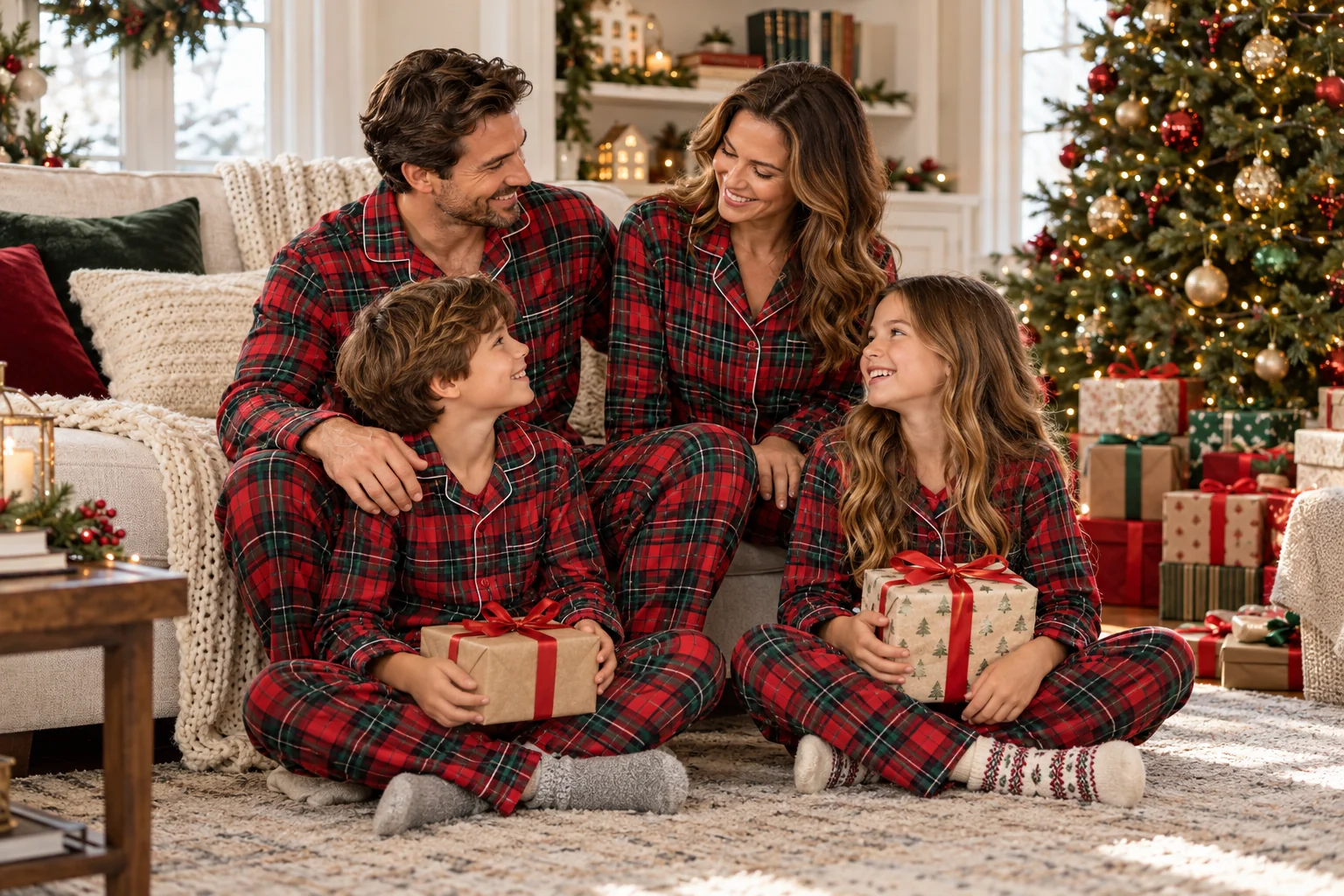
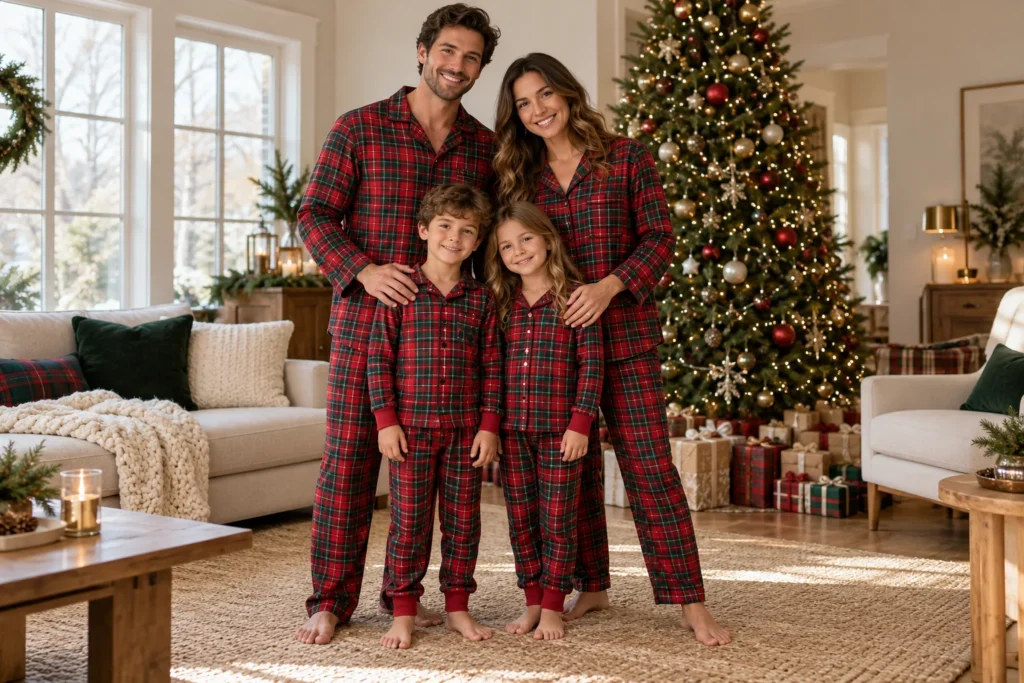
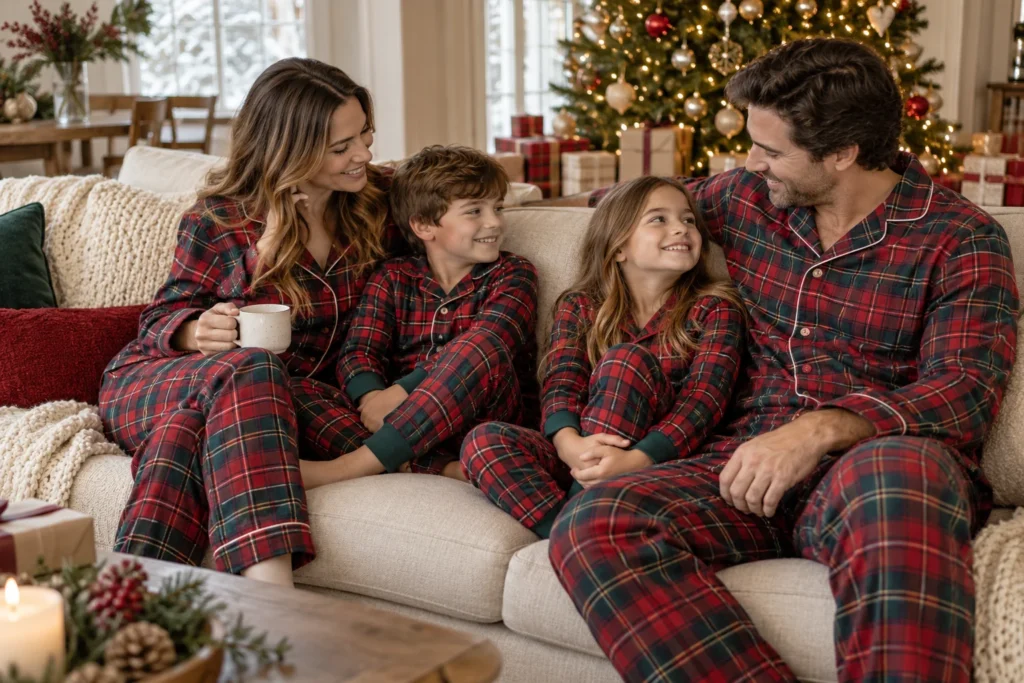
    1. Classic Tartan Family Christmas Pajamas

    Red-and-green tartan is an easy starting point for family Christmas pajamas because the pattern already belongs to the season. A button-up top with a straight trouser creates a traditional adult silhouette, while a cuffed version can give children their own comfortable shape. The sets feel connected without needing every garment to be cut identically.

    Keep the surrounding colors simple. An ivory throw, plain slippers and a few wrapped gifts let the checks remain the focus. If your tree has plenty of colorful ornaments, choose a smaller-scale tartan rather than a very large check so the photograph does not become visually crowded.

    Fit and Styling Tips

    • Compare adult and children’s sizing charts separately.
    • Choose a check that remains visible in a small photograph.
    • Use plain accessories to balance the busy print.

    2. Candy-Cane Striped Matching Pajamas

    Red-and-ivory stripes offer a lighter alternative to tartan. They look festive without relying on character artwork, making them a useful option for couples or a family that prefers graphic patterns. Narrow stripes feel subtle; broader stripes give the outfit a stronger Christmas-morning presence.

    A simple crew-neck top and full-length trousers can keep the look relaxed. Match the warmth of the white across the sets: cream and bright white may look surprisingly different beside one another. For photographs, a neutral background and soft daylight make the stripes easier to read than a room filled with patterned cushions.

    Fit and Styling Tips

    • Repeat the same shade of red across the outfits.
    • Look for comfortable waistbands and cuffs.
    • Keep slippers or socks in a solid color.

    3. Snowflake Kids Christmas Pajamas

    Navy pajamas with small white snowflakes create a winter look that can be worn beyond Christmas Day. The dark ground gives the print definition, while the simple motif works well for children who are less interested in Santa or character designs. A two-piece shape also makes it easy to see whether the sleeves and trouser legs are the right length.

    When choosing kids Christmas pajamas, prioritize the garment’s actual sleepwear labeling and appropriate fit over the photograph. Avoid assuming an oversized lounge set is suitable for sleep. Read the product information, check the child’s measurements and follow the manufacturer’s care instructions rather than buying a larger size solely for extra growing room.

    Fit and Styling Tips

    • Check sleepwear labels and the intended age range.
    • Inspect seams and cuffs for everyday comfort.
    • Choose a print your child will enjoy after the holiday.

    4. Santa Print Christmas Pajamas

    Santa pajamas do not have to be covered in oversized graphics. Small hat, holly or stocking motifs on an ivory background make a cheerful print while keeping the overall outfit easy to wear. This is a good direction when you want an unmistakably Christmas look with a softer color balance.

    Try red piping or a small red cuff to connect the details. If other family members prefer plain pajamas, their sets can echo the same red or ivory. That approach produces coordinated Christmas outfits for photographs without requiring everyone to wear the exact print. Keep extra props minimal so the pattern remains clear.

    Fit and Styling Tips

    • Choose a motif size that suits the garment.
    • Use one print with plain coordinating family sets.
    • Check that buttons and trims feel comfortable against the skin.

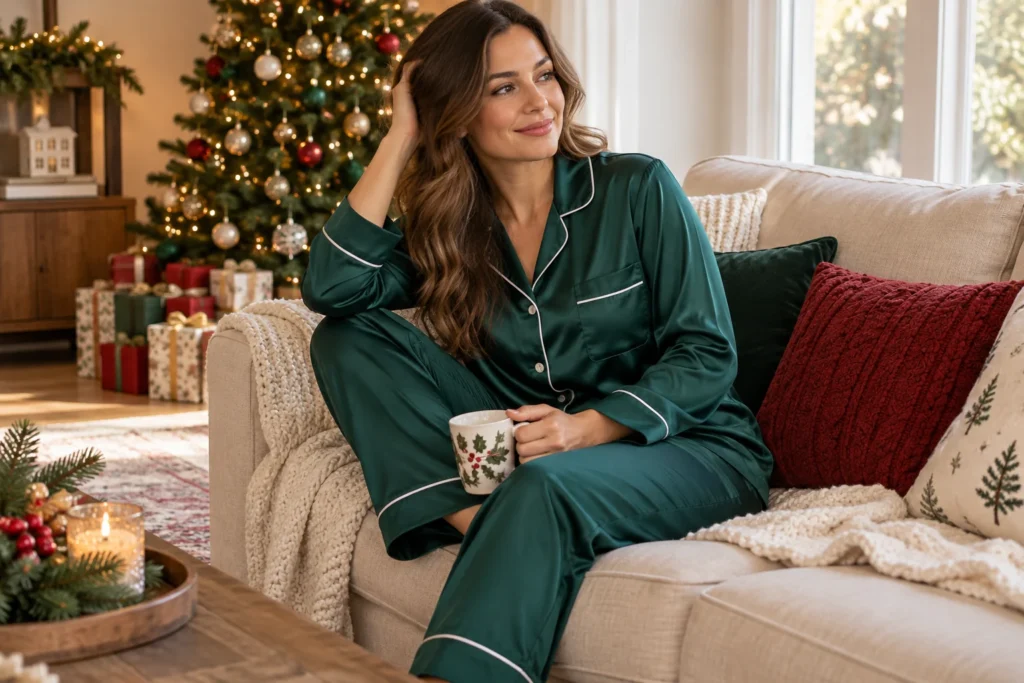
    5. Emerald Women’s Festive PJs

    Emerald-green pajamas with ivory piping bring a more dressed-up mood to an evening at home. The contrast outlines the collar, pockets and cuffs, making a simple two-piece set feel considered. A long-sleeve shirt and full-length trousers offer plenty of coverage while leaving room for a relaxed silhouette.

    If you like a satin appearance, inspect the fiber label rather than assuming every glossy fabric is silk. Satin describes a weave, and the feel and care needs depend on the material. Choose a drape you enjoy wearing, then keep jewelry and accessories simple. These women’s festive PJs work particularly well against neutral bedding or a softly lit tree.

    Fit and Styling Tips

    • Check the fiber content and washing requirements.
    • Allow comfortable movement across the shoulders.
    • Balance glossy fabric with simple, matte accessories.

    6. Burgundy Christmas Sleepwear for Women

    Burgundy ribbed pajamas suit someone who wants seasonal color without a busy print. The texture provides interest, while a matching top and trousers create a clean outline. This look can feel festive in December and remain useful through the rest of winter, especially if you prefer a small sleepwear collection.

    Pay attention to how the ribbing stretches at the knees, elbows and waistband. A set that looks smooth while standing should still feel comfortable when you sit down or curl up on the sofa. For more ways to use this rich shade outside the house, explore our burgundy outfit ideas.

    Fit and Styling Tips

    • Compare the fit while sitting and standing.
    • Look for a waistband that stays comfortable without digging in.
    • Choose a consistent burgundy shade for both pieces.

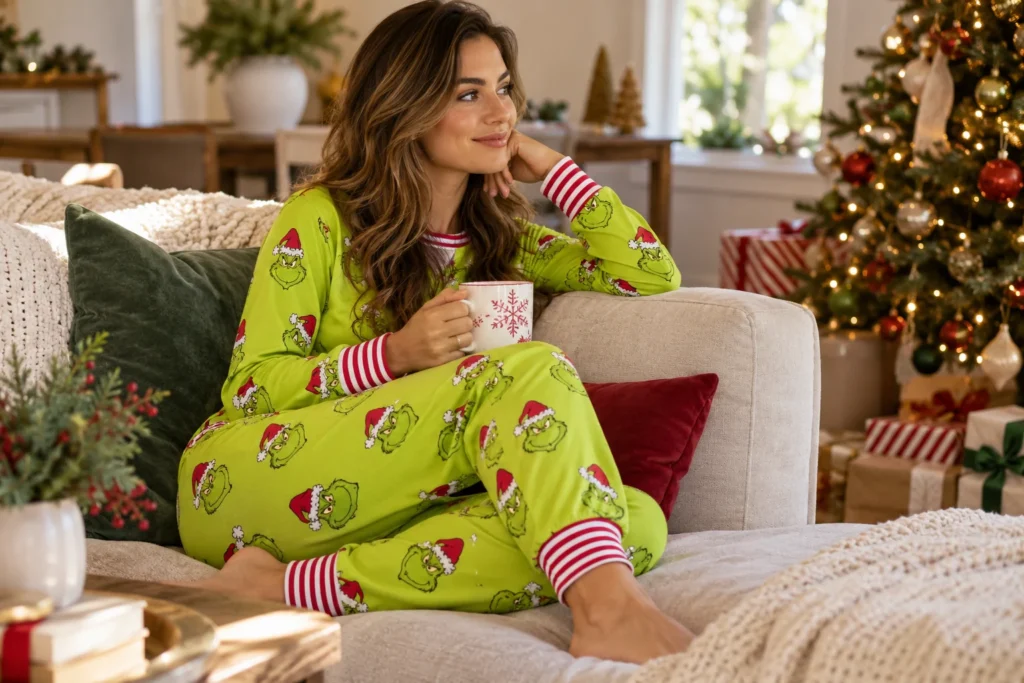
    7. Grinch-Inspired Green Pajamas

    Grinch pajamas bring a playful green-and-red palette to the holiday. A small character print can be easier to coordinate than a large graphic across the entire top, especially when other people prefer calmer designs. Red-and-white cuffs or a plain red pair of slippers can connect the look to more traditional Christmas colors.

    If you want the actual character, look for officially licensed merchandise from a reputable seller and check the product photos and label. Our green illustrated outfit is a styling concept, not a claim that this exact set is available. For a less character-focused alternative, choose green pajamas with small stars and red trim.

    Fit and Styling Tips

    • Check licensing and seller information for character merchandise.
    • Let green be the main color and red the accent.
    • Choose a print placement that remains clear in a family picture.

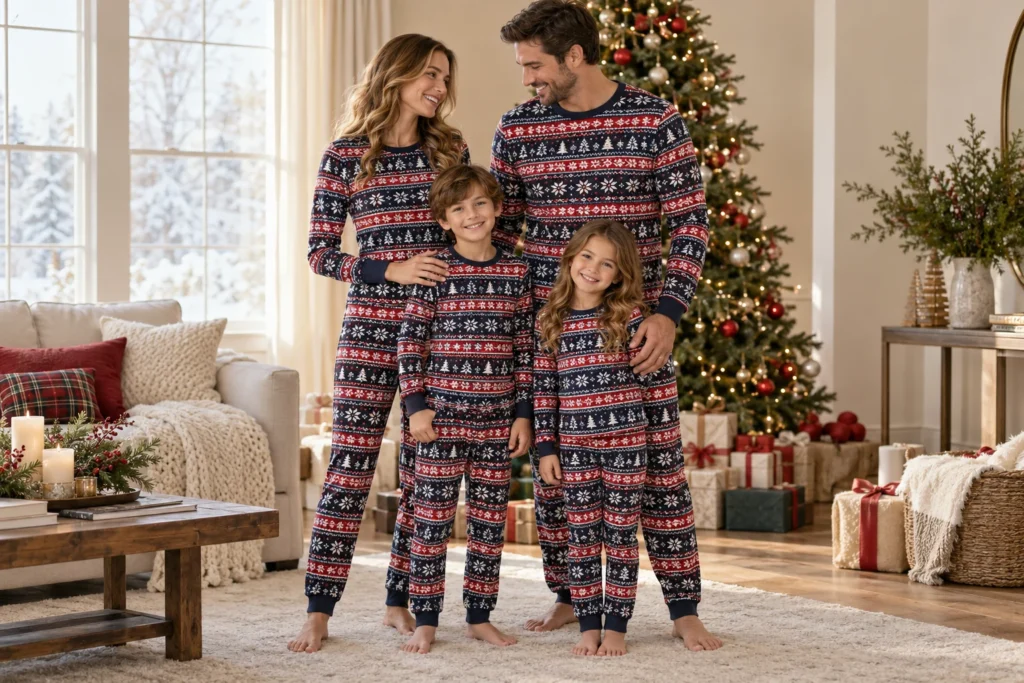
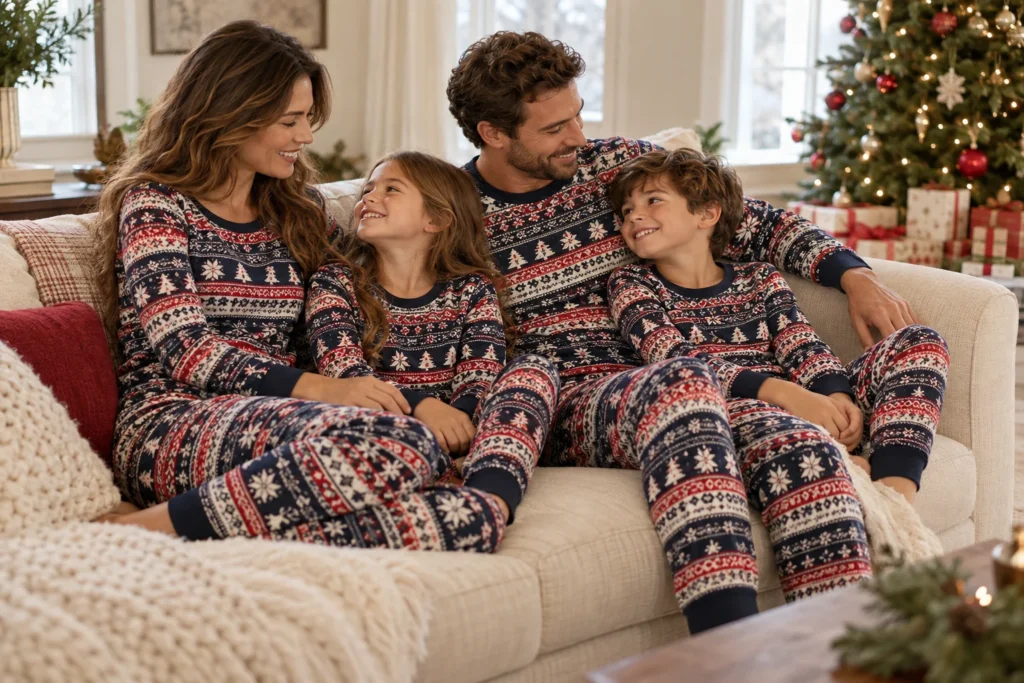
    8. Fair Isle Family Matching Christmas Pajamas

    Fair Isle-inspired bands combine several holiday colors in one repeating design. Navy, red and ivory can feel more restrained than an all-red set, while the patterned rows create an obvious link between different family outfits. It is a useful option when you want matching Christmas pajamas with a winter rather than a cartoon theme.

    Do not judge the fabric by the pattern alone: a knitted-looking print may be printed on a completely different material. Check the composition and feel before buying. If matching sizes are unavailable, one person can wear a plain navy top with coordinating patterned trousers. The repeated palette still makes the group look intentional.

    Fit and Styling Tips

    • Check fabric information rather than relying on the printed texture.
    • Keep the same three colors across the family.
    • Use a plain coordinating piece when an identical set is unavailable.

    9. Blush Pink Festive Pajamas

    Blush pink pajamas with tiny burgundy stars offer a gentler interpretation of Christmas sleepwear. The print feels festive without depending on the usual red-and-green combination. A piped collar and full-length trousers can make the set feel polished enough for Christmas-morning photographs while keeping the mood relaxed.

    Pair the look with ivory surroundings or a small burgundy detail rather than adding more pink everywhere. If you are shopping for Christmas sleepwear for women, compare the rise of the trousers, sleeve length and button spacing as well as the color. An attractive pattern will not make up for a shirt that pulls when you move.

    Fit and Styling Tips

    • Choose small motifs for a subtle holiday finish.
    • Check button spacing and sleeve length.
    • Repeat burgundy in one accessory or surrounding detail.

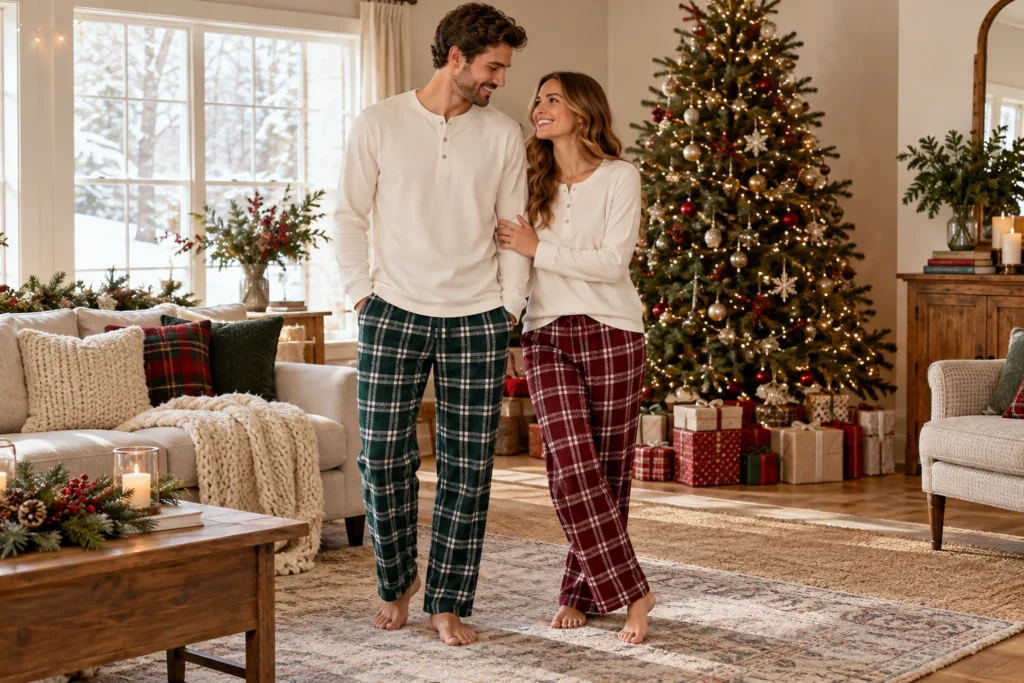
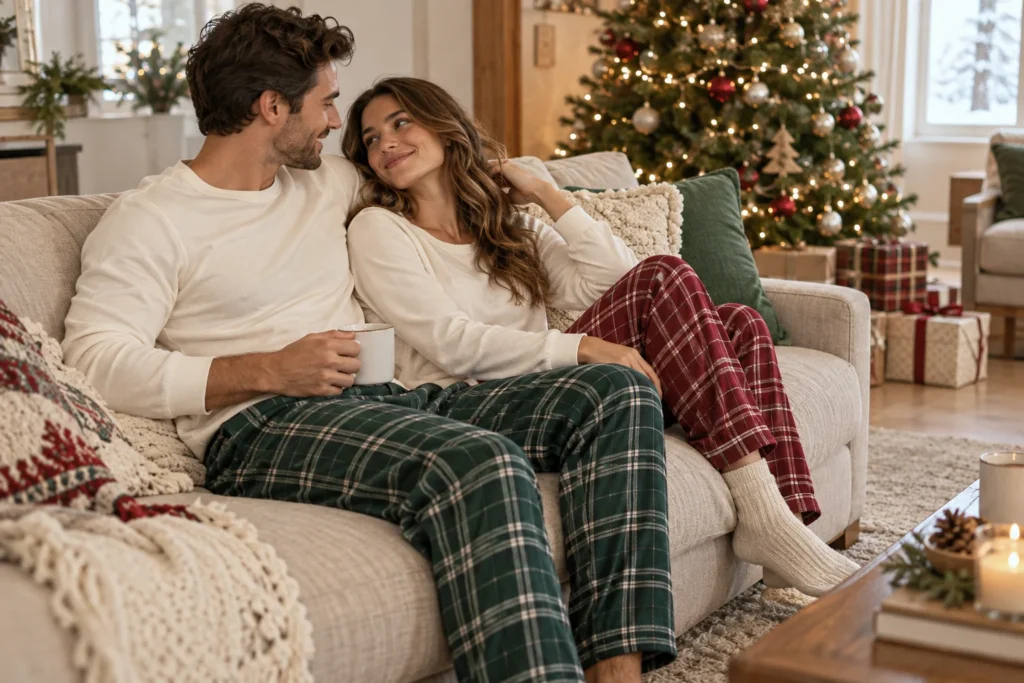
    10. Coordinated Mix-and-Match Christmas Pajamas

    Matching does not always mean identical. Ivory tops with forest-green or burgundy checked trousers can bring several preferences together in one family photograph. This approach is especially helpful when different ages need different cuts, or one person dislikes an all-over print.

    Start with a shared base color, then choose one or two accents. Keep the pattern scale similar and avoid mixing too many unrelated motifs. The same principle works when planning daytime Christmas outfits: repeat a color rather than copying every piece. Our capsule wardrobe guide explains how a small, connected palette makes outfit combinations easier.

    Fit and Styling Tips

    • Choose one base color and no more than two accents.
    • Let each person keep the cut they find comfortable.
    • Use similar print scales to tie different sets together.

    How to Choose Comfortable Christmas Pajamas

    Begin with the occasion. Pajamas for a quick photograph, a long evening on the sofa and a full night’s sleep may need different priorities. Consider room temperature, the feel of the seams and how the waistband behaves when you sit down. Check the fabric composition, size chart, return terms and care label before ordering.

    For children, follow local sleepwear requirements and the garment’s labels. In the United States, the CPSC’s children’s sleepwear guidance explains why the correct fit and labeling matter; oversized cotton clothing should not be treated as a substitute for suitable children’s sleepwear. Keep comfort and suitability ahead of matching the adults exactly.

    Care and Christmas-Morning Styling

    Wash according to the care label rather than treating every Christmas set alike. Separate strong colors when advised, fasten closures if the label recommends it and avoid heat settings the fabric cannot tolerate. A gentle-looking fabric can still have specific requirements. Check whether a new set needs washing before first wear.

    Put the outfits on and test the fit before the day you want to photograph them. Use window light, keep the background simple and give everyone room to move naturally. For daytime plans after the pajamas come off, our cardigan and jeans outfit ideas offer an easy next layer of inspiration.

    Christmas Pajamas FAQs

    What are the best Christmas pajamas for a family photo?

    Choose a coordinated palette and a pattern that remains clear from a distance. Tartan, stripes and Fair Isle-inspired designs are useful starting points, but comfortable fits and everyone’s preferences matter more than perfect matching.

    Do family Christmas pajamas have to be identical?

    No. Repeat a base color and one or two accents across different tops and trousers. This can be easier when adults and children need different cuts or when some family members prefer plain pieces.

    How should kids Christmas pajamas fit?

    Follow the sleepwear label, local requirements and the manufacturer’s measurements. Do not automatically size up for an oversized look. If you are unsure whether a garment is intended for sleeping, ask the seller before using it as sleepwear.

    Can women’s festive PJs be worn after Christmas?

    Yes. Solid emerald, burgundy, small stars and simple stripes can feel seasonal without being limited to one morning. Choose a color and fabric you would enjoy wearing throughout winter.

    Make the Look Your Own

    The right Christmas pajamas balance a festive look with a fit you actually enjoy wearing. Start with one palette, decide how closely the family wants to match and check the labels before choosing a set. Whether you prefer Santa prints, playful green designs or understated women’s sleepwear, a few thoughtful details can make the holiday feel special without making the outfit complicated.

  • Cardigan and Jeans Outfits: 5 Easy Looks to Try

    Cardigan and Jeans Outfits: 5 Easy Looks to Try

    Cardigan and jeans outfits are useful because they start with pieces many of us already own. The combination can feel relaxed, neat or slightly dressed up depending on the knit, denim shape and shoes you choose. You do not need a new wardrobe to make it work; you need a few clear ways to put the pieces together.

    This guide shares five outfit formulas with five outfit examples: a cream cardigan with blue jeans, a black cardigan with wide-leg denim, a grey cardigan with classic blue jeans, a cropped knit with washed-black jeans and a striped cardigan with denim. Treat the images as visual references, then adapt the colours and proportions to clothes you actually enjoy wearing.

    Start With Fit, Proportion and Your Existing Wardrobe

    Before choosing accessories, try on the cardigan and jeans together. Notice where the cardigan finishes, how the waistband sits and whether the knit bunches when you move. A short cardigan and a longer one can both look good, but they create different shapes. The aim is a comfortable combination that feels deliberate.

    Decide which piece will carry most of the volume. If the cardigan is roomy, straight or more fitted jeans can give it a clear outline. If the jeans have a wide leg, a shorter knit or a tidy front can balance the silhouette. These are starting points rather than rules about which body shapes can wear which clothes.

    Use your favourite jeans as the first experiment. Their fit is already familiar, so you can focus on changing the cardigan, shoes or layering piece. Our capsule wardrobe guide explains how to build more combinations from a smaller collection of useful pieces.

    1. Cream Cardigan and Blue Jeans: A Soft Everyday Combination

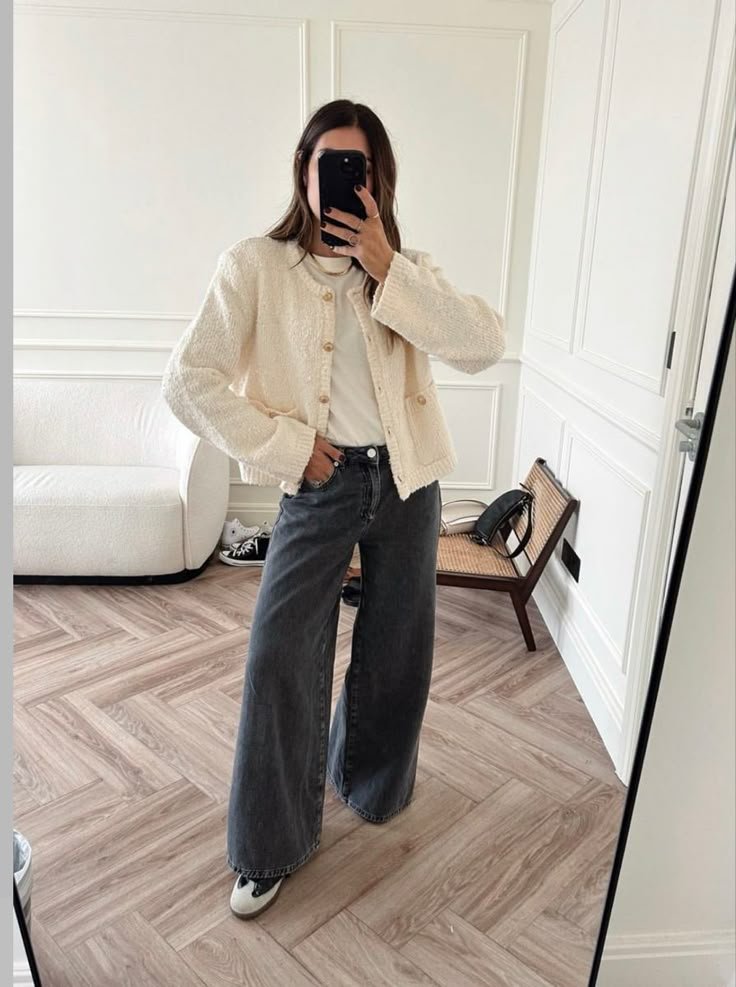
    Cream textured cardigan with denim jeans

    Cream knitwear and blue denim create a gentle contrast that is easy to repeat. A cardigan with a little texture adds interest without needing a busy print. This formula works for a coffee outing, a casual office day or a weekend when you want something more considered than a basic sweatshirt.

    Choose Your Denim Shape

    Start with straight jeans if you want a simple outline, or try wide-leg jeans when you prefer more room through the leg. Check the hem with the shoes you plan to wear. Denim that drags along the ground can be inconvenient, especially when the weather is wet, so length matters as much as the leg shape.

    Wear the cardigan buttoned over a comfortable camisole, or open it over a plain T-shirt. A white base keeps the colours light, while a darker top adds contrast. If the knit is delicate or loosely woven, choose an underlayer you would be comfortable showing through it.

    Finish With Quiet Accessories

    Brown loafers, simple trainers or flats can all fit this combination. Pick a bag you can comfortably carry rather than adding an accessory only because it matches a photograph. Small earrings and a belt are enough if you want a tidy finish. Leave some texture visible instead of covering the cardigan with several competing details.

    2. Black Cardigan and Wide-Leg Jeans: Simple With Definition

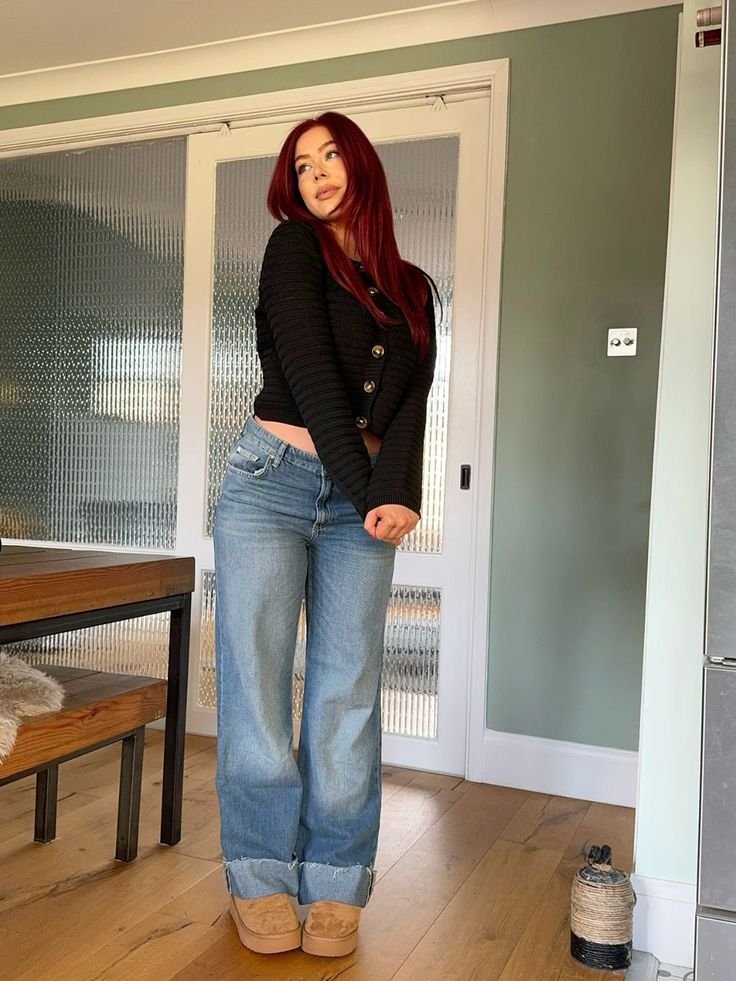
    Black cardigan with wide-leg blue jeans

    A black cardigan gives wide-leg denim a clear point of contrast. The darker top can feel polished while the jeans keep the outfit relaxed. You can make the combination sharper with loafers or softer with trainers, using the same two main pieces.

    Keep the Top Section Intentional

    If your cardigan is long, try it open over a fitted base layer so the waistband remains visible. A shorter cardigan can be worn buttoned when that feels comfortable. Pay attention to the fabric around the buttons: if it pulls or gaps, adjust the fastening or choose a different layer underneath.

    Wide-leg jeans do not need a tight top to work. A softly shaped knit can look equally considered if the shoulder fit and hem position feel right. Try the outfit from the side as well as the front, then move around before deciding whether you like the proportions.

    Choose One Strong Finishing Detail

    A structured bag, a silver necklace or a neat belt can become the focal point. You do not need all three to make the look complete. For a more defined denim colour, our dark denim styling guide offers useful combinations that can also work with a black cardigan.

    3. Grey Cardigan and Blue Jeans: Relaxed Layers for Everyday Wear

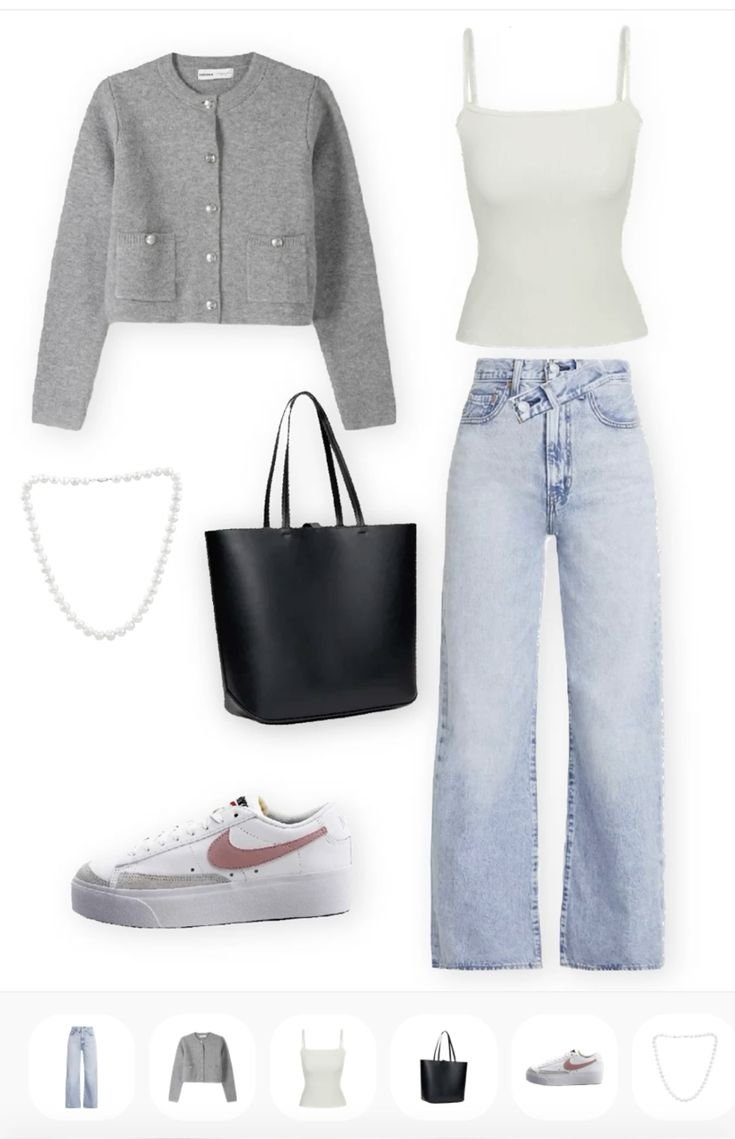
    Grey cardigan with blue jeans

    Grey and blue are an easy pairing when you want a neutral outfit with a little softness. A grey cardigan can sit over a white T-shirt, a fine striped top or a simple shirt. The result depends on the thickness of the knit and how much of the underlayer you leave visible.

    Build Layers Without Extra Bulk

    Try a thinner base layer beneath a chunkier cardigan so the sleeves do not feel crowded. If the cardigan itself is lightweight, a shirt can add structure at the collar and cuffs. Make sure you can bend your arms comfortably; an outfit that looks good standing still should also work while you wear it.

    Straight blue jeans provide a familiar starting point. A lighter wash feels casual, while a deeper wash creates more contrast with pale grey. Instead of changing the whole outfit, compare both washes with the same cardigan and shoes to see which mood you prefer.

    Add Colour in a Small Area

    A burgundy bag, coloured trainers or a printed scarf can interrupt the neutral palette without taking over. Choose one accent first and repeat it only if you like the effect. Our burgundy outfit ideas show how a richer shade can work beside everyday neutrals.

    4. Cropped Cardigan and Washed-Black Jeans: A Clear Waistline

    Cropped cardigan with washed-black jeans

    A cropped cardigan finishes higher than a traditional long knit, making the waistband easier to see. Paired with washed-black jeans, it can feel compact and slightly sharper than a loose layered outfit. Cropped does not have to mean exposing your midriff; the length of the cardigan and rise of the jeans can meet comfortably.

    Check Where the Two Pieces Meet

    Try the cardigan with the jeans before choosing a base layer. Raise your arms and sit down to see how the knit moves. If you want more coverage, add a fitted top underneath. You can also choose a cardigan that ends just below the waistband rather than a very short cut.

    A charcoal denim wash gives the outfit a softer effect than a completely black pair. Try cream, grey or a muted colour on top before adding a bold shade. If the cardigan has decorative buttons, let those provide the detail rather than adding a necklace that competes with them.

    Use Shoes to Set the Mood

    Ankle boots can make the outfit feel more dressed, while trainers keep it informal. Flats work well when you want a lighter finish. Check how the hem sits above each option. A small change in jean length can alter the whole impression, so avoid judging the outfit before putting the shoes on.

    5. Striped Cardigan and Jeans: Pattern Without Complication

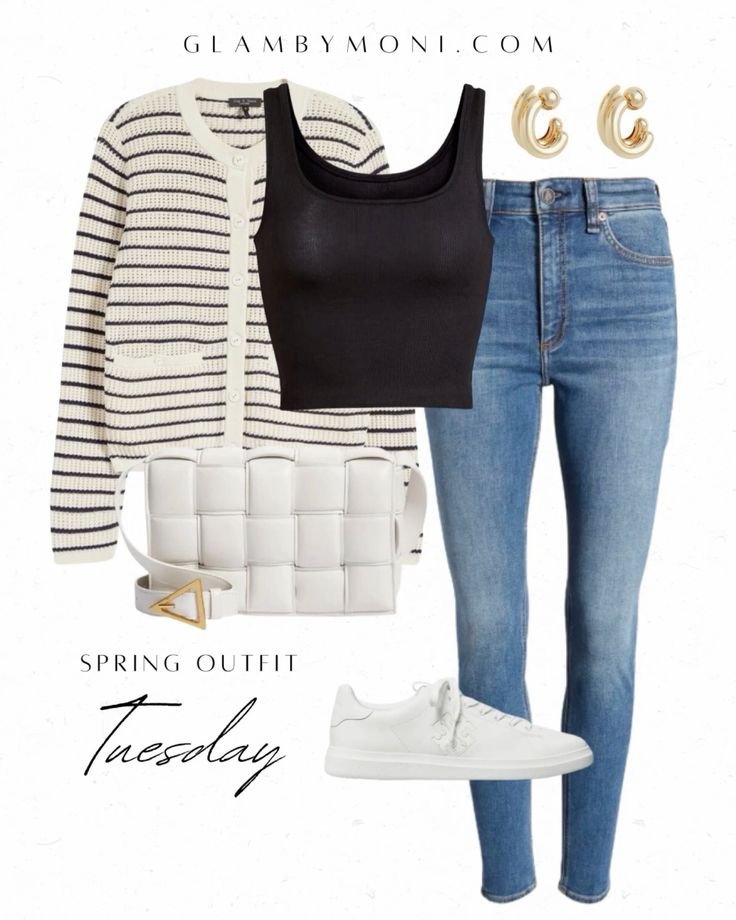
    Striped cardigan with blue jeans

    A striped cardigan adds a visible pattern while keeping the outfit familiar. It can be especially useful when your jeans, bag and shoes are plain. The stripe becomes the main detail, so the rest of the combination can stay straightforward.

    Let the Pattern Do the Work

    Start with blue straight-leg jeans and a plain underlayer. If the cardigan is buttoned, leave the neckline as open or closed as feels comfortable. Wider stripes create a different effect from fine ones, so choose the version you like rather than treating a particular stripe width as a requirement.

    Repeat one colour from the cardigan in your shoes or bag if you want a connected finish. For example, a cream-and-dark stripe can work with cream trainers or a dark loafer. You can also leave the accessories neutral and let the knit remain the single point of interest.

    Try a Simple Accessory Change

    A scarf tied to a bag can add a small extra detail without adding bulk around your neck. If you prefer wearing it, check that the print and stripes feel comfortable together. Our silk scarf styling ideas offer practical ways to experiment with that finishing touch.

    Make Your Cardigan and Jeans Outfits Easy to Repeat

    Once you find a combination you like, take a quick outfit photo for your own reference. Note the shoes and layering piece as well as the cardigan and denim. Small details are often what make a familiar formula work, and remembering them can save time on a busy morning.

    Before buying another knit, test the cardigans you already own with more than one pair of jeans. Change the fastening, try a different T-shirt or swap the shoes. If you want to organise those combinations, start with our autumn wardrobe reset guide and keep the pieces that work comfortably together.

    The strongest cardigan and jeans outfits feel like a natural part of your day. Use these five formulas as a starting point, then adjust the proportions, colours and accessories to your preferences. A repeatable outfit that feels good is more useful than a complicated look you never want to wear again.

  • Silk Scarf Styling: 7 Fresh Outfit Ideas for Autumn

    Silk Scarf Styling: 7 Fresh Outfit Ideas for Autumn

    Silk scarf styling is an easy way to make familiar clothes feel considered again. A printed square can change the neckline of a plain shirt, soften a leather jacket or bring colour to an outfit without another major purchase. The trick is choosing one clear role for the scarf rather than treating it as an extra decoration.

    Scarf dressing has appeared in recent autumn runway coverage, but the most useful versions work outside fashion week. This guide focuses on seven wearable combinations, how to choose the right size and what to adjust when a knot feels bulky. Start with a scarf you already own and build around the colours in its print.

    Choose a scarf that works with your wardrobe

    Lay the scarf beside three outfits you actually wear. Look for one colour that connects with a shirt, jacket or pair of trousers. The match does not have to be exact. A cream ground beside an ivory knit, for example, gives the pieces enough connection while a rust border adds contrast.

    Fabric changes the effect as much as pattern. A fine, fluid scarf folds neatly at the neck. A heavier square has more presence on a bag or over a shoulder. Check the care label before steaming, washing or storing it, especially if the material is silk rather than a synthetic alternative.

    Pick the size for the knot

    A small square makes a tidy neck knot with short ends. A medium square offers more folding options without too much fabric. A long rectangular scarf is better when you want loose tails over a coat. If an arrangement looks crowded, try a narrower fold before deciding that the print is wrong.

    1. Add a narrow scarf to a white shirt

    Fold the scarf into a band and place it under the collar. Tie a loose single knot just below the open neckline, letting the ends sit at different lengths. With straight jeans and loafers, the scarf becomes the outfit’s main detail while the rest stays practical.

    Avoid buttoning the shirt tightly around the knot. A little space makes the fabric look intentional and feels more comfortable. If your shirt has a stiff collar, position the scarf above it instead. Small earrings are enough; a large necklace often competes with the same area.

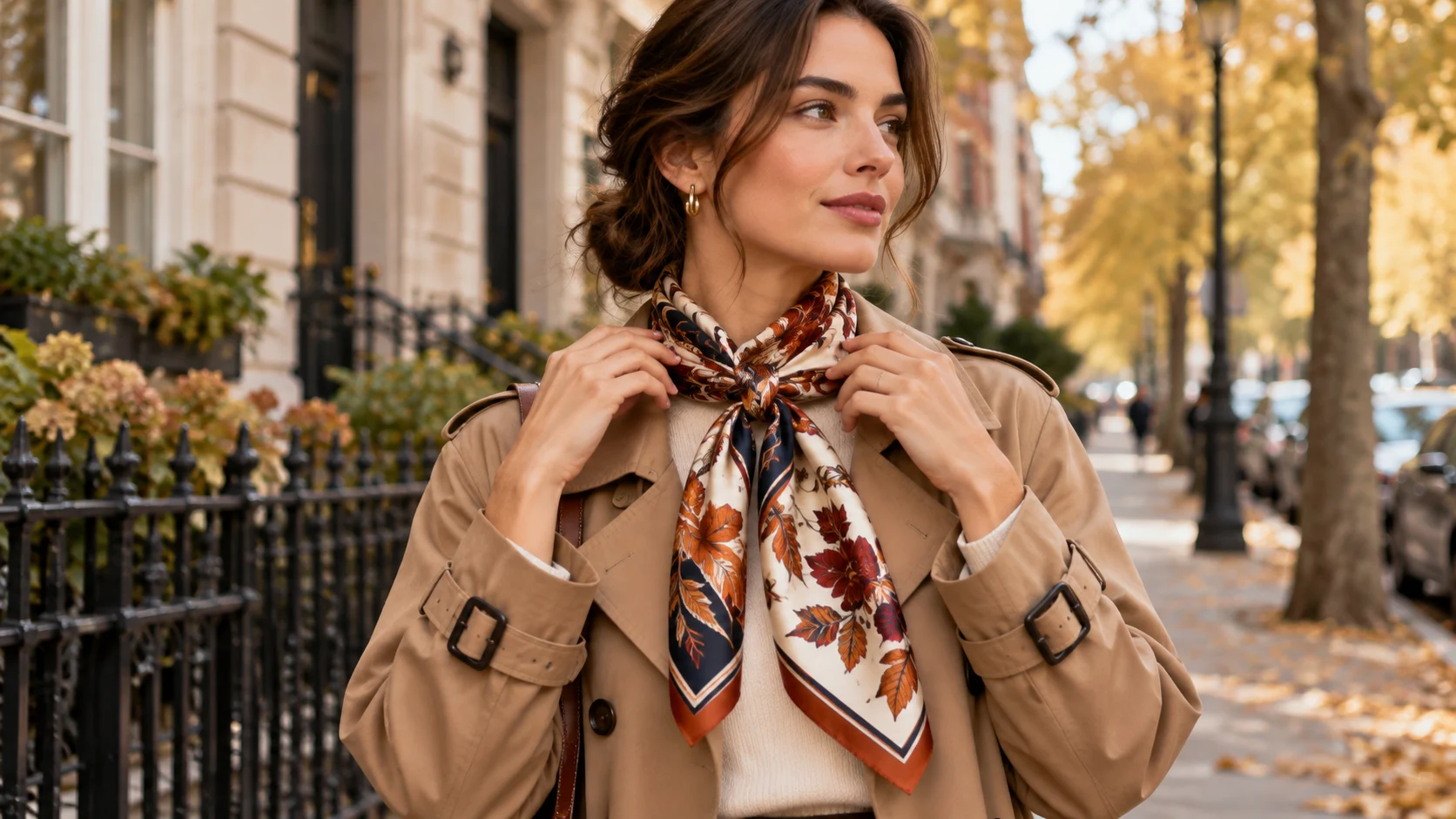
    2. Soften a leather jacket with a printed square

    A leather jacket brings structure, so a fluid scarf provides useful contrast. Try a softly folded triangle at the neck with the knot tucked slightly to one side. Keep the print visible without covering the jacket’s entire lapel. A plain top beneath gives the pattern room to stand out.

    For a lighter look, combine the jacket with a flowing skirt or dress. For a more casual version, use a cotton tee and denim. Our silk scarf outfit guide has more simple starting points if you want to practise the basic folds first.

    3. Bring colour to a neutral knit

    A crewneck sweater can leave an outfit looking unfinished when everything is one shade. Fold a square scarf into a slim band and tie it loosely above the neckline. Let a little fabric show between the sweater and your face instead of pulling the knot close against the throat.

    Choose a print with a darker border if your knit is pale. That edge creates definition without needing a bold necklace. With a dark sweater, a light centre can brighten the combination. Tuck the scarf ends inside the knit if you prefer a quieter effect.

    4. Wear the scarf beneath an open blazer

    Place a long, narrow fold around your neck and leave the ends untied beneath the blazer. This creates a vertical line and keeps the outfit flexible when you remove the jacket. A simple vest or fitted tee helps the layers sit cleanly without too many overlapping collars.

    Watch where the ends finish. If they stop at the same point as a wide belt or a large blazer button, the centre of the outfit can feel busy. Shorten one side or tuck both ends inside. The aim is an easy layer that moves with you.

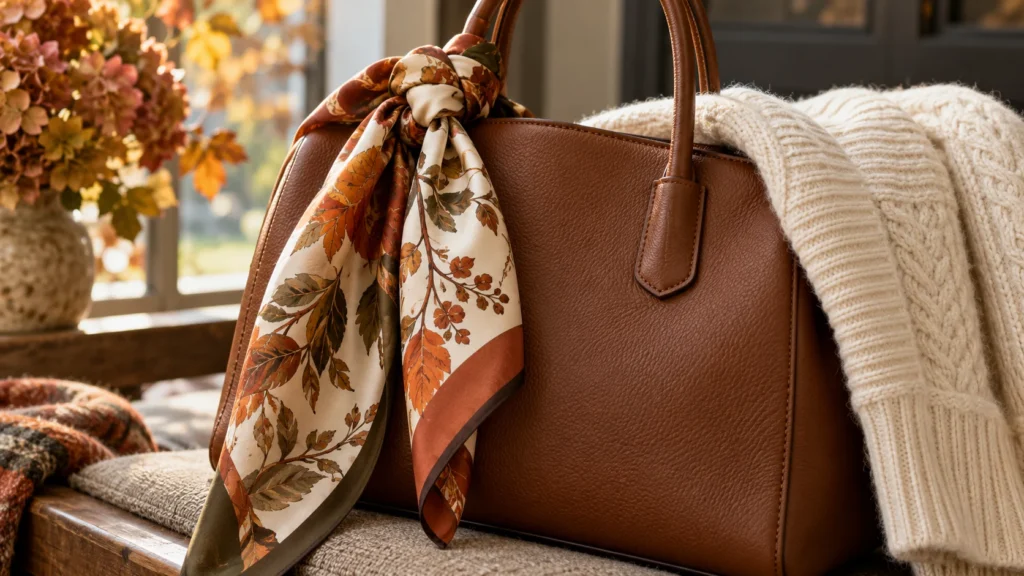
    Close-up editorial still life of a patterned silk scarf neatly tied around the handle of a brown leather handbag beside a cream knit sweater, warm autumn colours.

    5. Tie a small scarf to your handbag

    A scarf on a bag is useful when you like a print but do not want colour near your face. Tie it around a handle with a simple knot, keeping the ends short enough to avoid catching on doors or dragging against your coat. Leave the other accessories fairly quiet.

    Do not wrap delicate fabric around a handle that is rough, damp or visibly transferring colour. A loose knot on a smooth handle is usually easier to undo than a tight spiral. Remove the scarf before storing the bag so the fabric is not compressed for weeks.

    6. Use a scarf as a soft waist detail

    Thread a narrow scarf through roomy belt loops or tie it over a plain dress. It should mark the waist gently rather than carry the weight of trousers. Keep the knot small and slightly off centre if a large bow feels too decorative for your usual style.

    This works best with simple fabrics and uncluttered silhouettes. A heavily pleated skirt, patterned blouse and printed scarf can create too many competing elements. Choose one patterned piece, then connect it to a solid colour elsewhere. Check the knot while sitting down as well as standing.

    7. Drape a scarf over a lightweight coat

    A longer scarf can soften a trench or straight coat without hiding its shape. Drape it evenly, then pull one side slightly longer for a relaxed finish. In warmer weather, leave it open. On cooler days, loop it once while keeping enough space around the neckline.

    A coat already has strong lines, so resist elaborate folding. Let the print appear in a small area near the collar and again in the trailing ends. If the scarf slips constantly, a shorter fold or a simple knot is more useful than repeatedly rearranging it.

    Make the colour combination feel deliberate

    Start with two main clothing colours and let the scarf introduce a third. Navy trousers, a cream shirt and a scarf with soft red details are a straightforward example. If the scarf contains several colours, repeat only one of them in a shoe, bag or small accessory.

    • Keep a busy print beside a plain neckline.
    • Try a narrower fold when a knot looks bulky.
    • Repeat one scarf colour elsewhere, rather than every colour.
    • Check that loose ends do not interfere with movement.
    • Store the scarf loosely and follow its care label.

    A wardrobe with dependable basics makes these combinations easier. Use our capsule wardrobe guide to identify the pieces you can restyle, then photograph two scarf outfits you would happily repeat. That is more useful than collecting many knots you will never wear.

    Frequently asked questions

    Can a silk scarf work with casual clothes?

    Yes. A tee, jeans and a simple jacket leave enough visual space for a small neck knot or a scarf tied to a bag. Keep the arrangement relaxed and choose footwear you already wear. The scarf should fit the outfit’s mood rather than make the whole look feel formal.

    How do I keep the scarf from overpowering my outfit?

    Reduce the visible area by folding it more narrowly, tuck the ends inside a neckline or move it to your handbag. You can also choose a print whose background matches your clothes. Smaller styling changes often work better than replacing the scarf.

    For current runway context, see Vogue’s autumn scarf coverage. The combinations above are Haya Glam’s practical styling suggestions, designed to help you use existing clothes rather than copy a runway outfit piece for piece.

  • Dark Denim Outfits: A Practical Autumn Styling Guide

    Dark Denim Outfits: A Practical Autumn Styling Guide

    Dark denim outfits can move between a casual morning and a more polished evening with surprisingly few changes. A deep indigo wash gives jeans a clean appearance, while the shape and length decide whether the result feels relaxed, structured or somewhere in between. You do not need an entirely new wardrobe to make the combination work.

    Recent autumn denim coverage has encouraged different silhouettes and styling possibilities. The useful question is which version suits your own clothes, climate and daily routine. This guide starts with fit, then builds outfit formulas around shirts, knits and jackets so you can use the ideas with the jeans you already own.

    Start with the pair you can actually move in

    Try your jeans while sitting, walking and bending. A waist that feels comfortable only when standing will become irritating during a long day. Look at the front rise, the room around the thighs and where the fabric falls behind the knees. Different cuts behave differently even when the labelled size is identical.

    Check the hem with your intended shoes. A wide leg that works over a boot may drag when worn with flats. A straight leg often needs a cleaner break at the ankle. There is no single correct length; the useful length is the one that stays clear of the ground and looks balanced with your footwear.

    Straight, wide or gently tapered?

    Straight jeans offer an easy starting point with shirts and everyday jackets. Wide jeans create more volume, so a defined shoulder or a partially tucked top can help the outfit feel deliberate. A tapered cut puts more focus on shoes and works well when you prefer a compact silhouette.

    Do not choose a shape simply because a trend report names it. Look at your favourite trousers and ask why you wear them repeatedly. If you like room through the leg, a dark wide cut may feel familiar. If you dislike extra fabric, a simple straight cut is likely more useful.

    A white shirt makes dark denim feel sharper

    Combine deep indigo jeans with a white or ivory shirt, then choose one of two finishes. For a neat look, tuck the shirt and add a slim belt. For a relaxed version, leave it open over a fitted tee. Both create contrast without relying on elaborate accessories.

    Keep the shirt’s proportions in mind. An oversized shirt with very wide jeans can work, but a small front tuck gives the outfit a reference point. With narrow jeans, a longer shirt may feel balanced without any tuck. Roll the sleeves only if they stay comfortably in place.

    Build a comfortable weekend combination

    A soft crewneck knit, dark jeans and familiar trainers create a dependable weekend outfit. Choose a knit that ends around the waistband or tuck a small section at the front. A crossbody bag keeps the combination practical, especially if your plans involve walking or public transport.

    Add a jacket according to the weather rather than the photograph you are copying. A light overshirt is enough for mild days. A coat adds warmth when needed. Leave a little of the knit visible at the neckline or cuff so the layers feel connected instead of looking like separate outfits.

    Use texture to make a simple outfit interesting

    Dark denim has a dense visual finish, so it pairs well with softer or smoother materials. Try a brushed knit, a fluid blouse or a leather jacket. The differences in texture make two neutral pieces feel less flat, even when the colour palette is limited.

    Choose one contrast at a time. If the blouse is shiny and the jacket has strong hardware, keep the bag and jewellery understated. If the top is plain cotton, a textured bag can provide the detail. This keeps the outfit readable and avoids adding accessories just to fill space.

    Make jeans work for an informal office

    Where your workplace allows denim, start with a clean wash and minimal distressing. Add a tailored blazer, a simple top and shoes that look cared for. Dark denim does not automatically meet every dress code, so check what is appropriate before relying on this formula.

    A blazer with enough room at the shoulder usually sits better over a knit than a close fitted style. Make sure the layers do not pull when you reach forward. Our capsule wardrobe guide can help you choose reusable work basics rather than buying separate pieces for every outfit.

    Change the mood for an evening

    Keep the jeans and replace the daytime top with a fluid blouse or a simple fitted knit. Add earrings or a small bag, then choose shoes you can comfortably wear for the evening. The change in fabric and accessories is often enough to make the same jeans feel intentional.

    You do not need heels to make denim look dressed up. A clean pointed flat, a polished loafer or a neat ankle boot can create a sharper finish. If the jeans have a long hem, check the length again with the evening shoes rather than assuming every pair will work.

    Choose colours that suit deep indigo

    Cream and white create clear contrast. Grey gives a softer effect, while brown adds warmth. Burgundy works as a small accent through a bag, shoe or knit. Black can also sit comfortably beside dark denim when the fabrics have enough contrast to distinguish the pieces.

    A patterned scarf is another way to connect your colours. Pick a print containing indigo or a related dark blue, then repeat one lighter colour in your top. Read our autumn silk scarf styling ideas for ways to add the detail without covering the entire neckline.

    Dark denim outfits checklist

    • Check the hem with each pair of shoes.
    • Leave enough room for a tucked shirt at the waistband.
    • Keep a wide silhouette balanced with a visible waist or clear shoulder line.
    • Use one strong accessory rather than several competing details.
    • Follow the care label and watch for colour transfer on light fabrics.

    New dark denim can transfer dye, so be cautious with pale upholstery and light bags until you understand how the fabric behaves. Read the manufacturer’s washing instructions and avoid assuming that all jeans need the same treatment. Washing, drying and stretching can change fit over time.

    Create three outfits before buying anything else

    Set your jeans beside one shirt, one knit and one evening top. Add suitable shoes to each combination, then try the outfits rather than judging them flat on a bed. Photograph the finished results so you can see the proportions without constantly looking down.

    If all three outfits fail for the same reason, solve that specific problem. A hem adjustment may help more than another top. A belt might improve a loose waist, but it will not fix a rise that feels uncomfortable. Make the smallest useful change before replacing the jeans.

    Frequently asked questions

    Can I wear black shoes with dark blue jeans?

    Yes. Black shoes can work with indigo, especially when another black detail appears in the outfit. A belt, jacket or bag can make the combination feel connected. You do not need to match every accessory exactly; aim for a clear relationship between the pieces.

    How do I make dark denim look less formal?

    Use relaxed fabrics, easy footwear and a softer outer layer. A tee with an open shirt feels different from a crisp tucked blouse, even with the same jeans. Let comfort guide the finish rather than adding distressed denim or deliberately untidy details.

    For seasonal inspiration, explore Vogue’s autumn denim report. Use the ideas as a starting point, then choose the fit and combinations that make sense in your own wardrobe.

  • Burgundy Outfit Ideas: How to Wear Autumn’s Rich Colour

    Burgundy Outfit Ideas: How to Wear Autumn’s Rich Colour

    Burgundy outfit ideas are useful when you want autumn colour without rebuilding your wardrobe. The shade can act as a small accent or become the main colour of a look, depending on the amount you wear and the fabrics around it. A wine coloured bag makes a different statement from a matching knit and skirt.

    Burgundy has appeared in current seasonal colour coverage, but a wearable outfit starts with your own preferences. Think about whether you enjoy colour near your face, whether your wardrobe is mostly warm or cool and which pieces you repeat most often. Those answers help you choose a practical entry point.

    Understand the shade before combining it

    Burgundy sits in a family of deep reds, but individual pieces can lean brown, purple or clear red. Two items described as burgundy may therefore look different together. Put them beside each other in daylight before assuming that the name guarantees a match.

    You do not need perfectly identical shades. A darker bag beside a softer wine knit can look considered when the difference is visible enough to feel intentional. Problems usually arise when two pieces are almost the same but compete. A neutral layer between them can make the combination easier.

    Start with one piece you enjoy wearing

    If you usually dress in neutrals, begin with a scarf, bag or pair of shoes. These let you test the colour in an outfit you already trust. If you enjoy stronger colour, a knit or blouse gives burgundy more space without committing to a complete matching look.

    Before shopping, look for a piece already in your wardrobe that contains a similar shade. A printed scarf or patterned skirt may offer the same effect. Repeating a colour from that print is a straightforward way to create a connected outfit with fewer purchases.
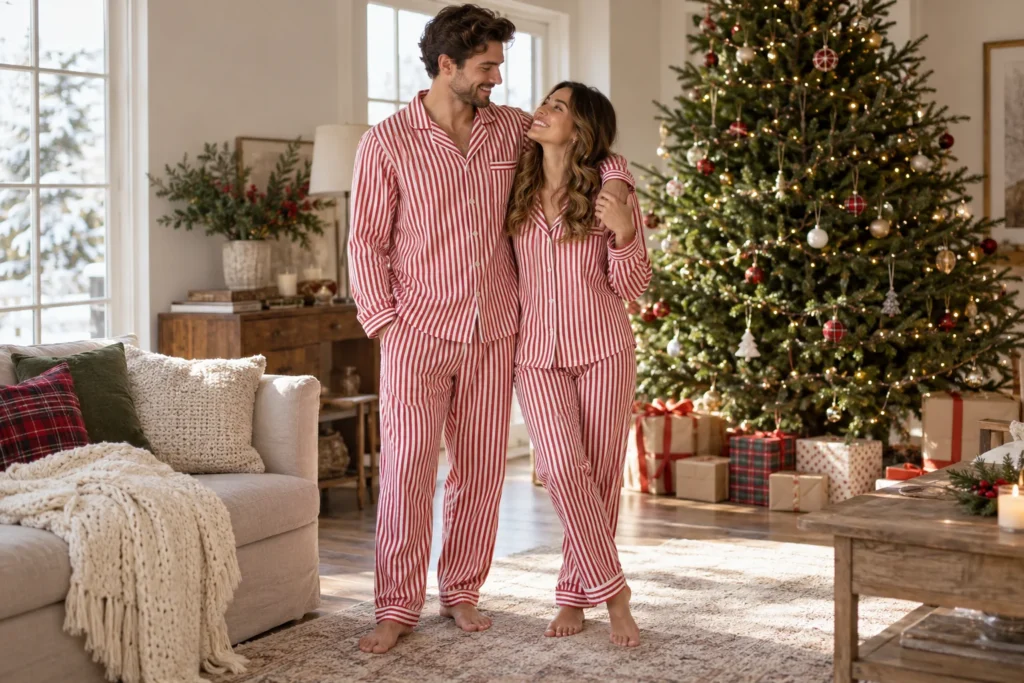
    Pair burgundy with cream for clear contrast

    A burgundy knit with cream trousers gives the colour a clean setting. The light fabric stops the outfit feeling too heavy, especially in mild autumn weather. Add a brown belt or neutral bag if you want warmth, or use black shoes for a sharper finish.

    Check the weight of the fabrics. A chunky sweater beside very thin trousers can feel unbalanced unless that contrast is deliberate. A smooth knit with structured trousers is easier to repeat. If cream feels impractical for your day, use an ivory shirt above dark trousers instead.

    Use navy for a quieter combination

    Navy and burgundy can work when you want depth without a dramatic contrast. Try navy trousers with a wine coloured top, or dark jeans with a burgundy cardigan. Keep a small light detail near the neckline if the overall outfit feels too dark.

    Texture helps distinguish the colours. A soft knit beside clean denim or a smooth blouse beside wool trousers gives the eye something to read. Our dark denim outfit guide offers more combinations if jeans are your most reliable starting point.

    Add grey for an everyday outfit

    Grey makes burgundy feel approachable and works across casual and more polished looks. A grey sweater, dark trousers and a burgundy bag are easy to assemble. If you prefer colour near your face, reverse the arrangement with a burgundy sweater and a grey coat.

    Charcoal gives a stronger, darker result than pale grey. Choose the shade based on the contrast you like rather than a rule about what is flattering. Hold the pieces together near a window and compare. A small change in grey can alter the mood of the entire combination.

    Try burgundy and pale pink without overcomplicating it

    Pale pink creates a softer contrast with burgundy. Use one colour as the base and the other as a detail. A pink shirt beneath a wine cardigan works well with simple trousers. Alternatively, a burgundy dress can pair with a small pale pink scarf.

    Keep the remaining accessories quiet while you test the combination. Adding several other colours can make the outfit difficult to repeat. Cream, grey or a related brown usually provides enough support. The aim is a clear two colour relationship, not a collection of trend references.

    Make a monochrome look feel layered

    An outfit built around burgundy benefits from different textures and slightly different depths. A fine knit, a fluid skirt and a structured bag can create separation even when the colours are close. Without that variation, a matching outfit may look flatter than expected.

    Leave some visual space around the neckline and wrists. Small areas of skin, a simple shirt collar or understated jewellery can break up the colour. If the full look feels too strong, replace one major piece with a neutral rather than changing every accessory.

    Choose shoes and bags according to the outfit

    Burgundy shoes can act as the accent in a neutral look. A bag in the same family creates a stronger connection, but an exact match is optional. Think about the finish: glossy leather reads differently from suede or a soft fabric bag.

    You can also use burgundy above the waist and keep shoes neutral. This is useful when your existing footwear already works with most of your clothes. A trend should not force unnecessary purchases. Begin with the pieces that make the outfit comfortable and practical.
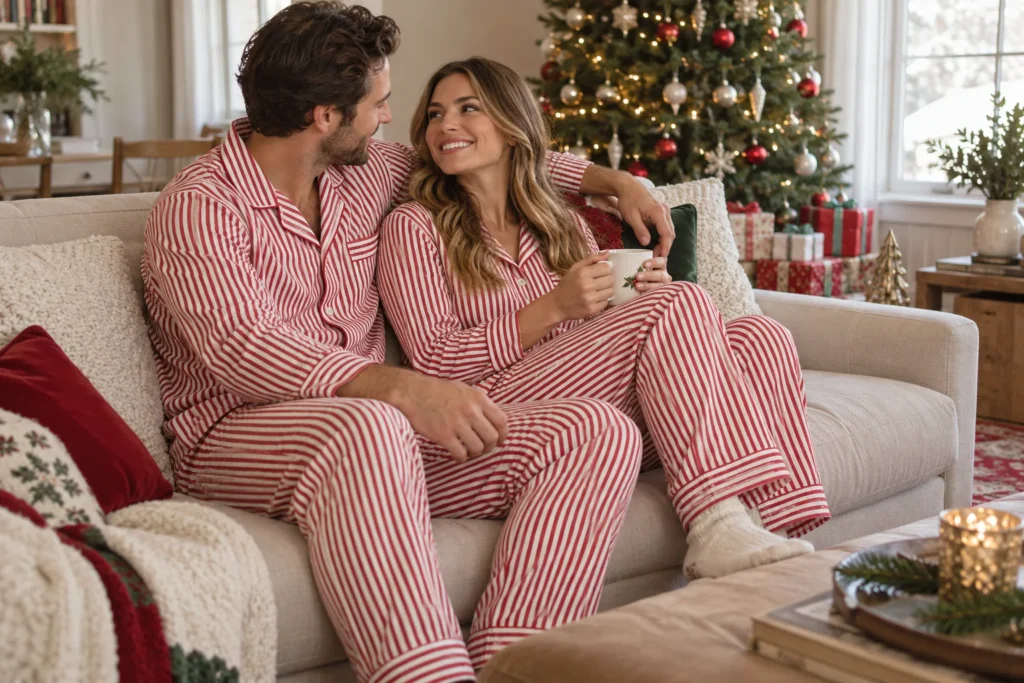
    Adjust the colour for different occasions

    For errands, combine a burgundy cardigan with a plain tee and jeans. For an informal office, try a wine blouse with grey trousers and a tailored jacket. For dinner, a simple burgundy skirt with a dark knit can feel polished without needing a dramatic dress.

    The same colour does not need the same styling every time. Your bag, shoes and outer layer determine much of the outfit’s mood. Photograph two versions using the same burgundy piece so you can see how small changes affect the result before buying more.

    Burgundy outfit ideas checklist

    • Compare burgundy shades in daylight.
    • Choose one main colour relationship for each outfit.
    • Use texture to separate similar dark shades.
    • Try an accessory before committing to a full colour look.
    • Build around footwear that already suits your day.

    A printed scarf can connect several pieces when its pattern contains burgundy and one neutral. Keep the knot simple so the print remains the focus. Our scarf styling guide shows ways to add colour without creating a crowded neckline.

    Frequently asked questions

    Does burgundy work with black?

    Yes. The combination can feel rich and understated, especially when the fabrics differ. A burgundy knit with black trousers is an easy example. If both pieces are very dark, add a small lighter detail or choose jewellery that gives the neckline definition.

    Can I wear burgundy outside autumn?

    Certainly. A lighter blouse, a small bag or a printed scarf can work in other seasons. The fabric weight and the colours around burgundy matter more than the calendar. Use lighter layers and simpler accessories when the weather is warm.

    For current colour context, see Vogue Arabia’s burgundy trend coverage. Our outfit suggestions focus on adaptable combinations, so you can enjoy the colour in a way that fits your existing clothes and routine.

  • How to Build a Capsule Wardrobe for Everyday Style

    How to Build a Capsule Wardrobe for Everyday Style

    A capsule wardrobe makes getting dressed easier by giving you a smaller set of clothes that work together. It is not a fixed number of hangers or a rule that every outfit must look minimal. The goal is to keep the pieces you actually wear, spot the gaps, and make more outfits with less guesswork.

    This guide walks through a practical way to build yours around your schedule, climate, and taste. Start with your own closet; you can refine it over time without replacing everything at once.

    In This Guide

    What Is a Capsule Wardrobe?

    A capsule wardrobe is a thoughtfully chosen collection of clothing you can mix and match for the life you lead now. It usually includes everyday basics, useful layers, shoes, and a few pieces that show your personality. Pieces earn their place by fitting well, feeling comfortable, and working with other things you own.

    How many pieces do you need?

    There is no magic number. Someone who works from home in a warm climate may need a different mix from someone with an office dress code and four seasons. Count outfits and occasions before counting garments. If a smaller wardrobe makes you repeat favorites comfortably, it is doing its job.

    What belongs in your capsule?

    Think of your actual week: work, errands, time at home, social plans, and special events. The capsule should cover your most common activities first. Your favorite color, print, or statement jacket can absolutely belong in it when you wear it often.

    Why Build One?

    • Faster mornings: more tops, bottoms, and layers already go together.
    • Clearer shopping: you can buy for a real gap instead of another version of something you own.
    • More use from favorites: good pieces move through several outfits rather than waiting for one occasion.
    • Room for personal style: a focused wardrobe helps the details you love stand out.

    A capsule can also reveal what your closet is missing, such as a comfortable shoe or a layer that works over several tops. That is useful information, not a reason to rush out and buy a whole new wardrobe.

    How to Build Your Capsule Wardrobe

    Step 1: Audit your real week and choose your key pieces

    Look at what you wore over the last two weeks and note which outfits felt like you. Set aside clothes that fit, suit your routine, and are in good condition. Do not begin with an aspirational life: build for the activities you repeat. If your days are casual, your capsule should reflect that.

    Choose two or three base colors that already appear in your closet, then add one or two accents you enjoy. A color story makes combinations easier, but it does not require every item to be beige or black. Texture, print, and accessories can keep simple outfits interesting.

    • Pull out the pieces you wore recently and would happily wear again.
    • Check the fit, comfort, care needs, and condition of each one.
    • Group them by tops, bottoms, layers, dresses, shoes, and accessories.
    • Set aside occasion wear or seasonal pieces that are useful but not part of your current rotation.

    Step 2: Create outfits before you shop

    Try each bottom with several tops and at least one layer. Take quick photos of combinations you like. A pair of trousers may work with a tee and cardigan for a weekday, then a blouse and jacket for dinner. If a piece only works one way, decide whether that single use is worth its space.

    Reliable outfit formulas make repetition feel intentional: a fitted top with relaxed trousers, a simple dress with a light layer, or jeans with a shirt and a polished shoe. Add one detail that feels like you. For a small accessory with several uses, see our silk scarf styling ideas.

    Step 3: Wear, test, and fill real gaps

    Live with the first version for a few weeks. Keep a note of the outfits you reached for and what stopped you getting dressed. Maybe you need a cooler layer, a better fitting trouser, or shoes you can walk in. Make a short gap list and shop from that list when you are ready.

    Before buying, ask whether the new piece works with at least a few outfits you already like. Prioritize fit and care over a trend that requires several extra purchases. The capsule is a working system, so you can adjust it as your routine changes.
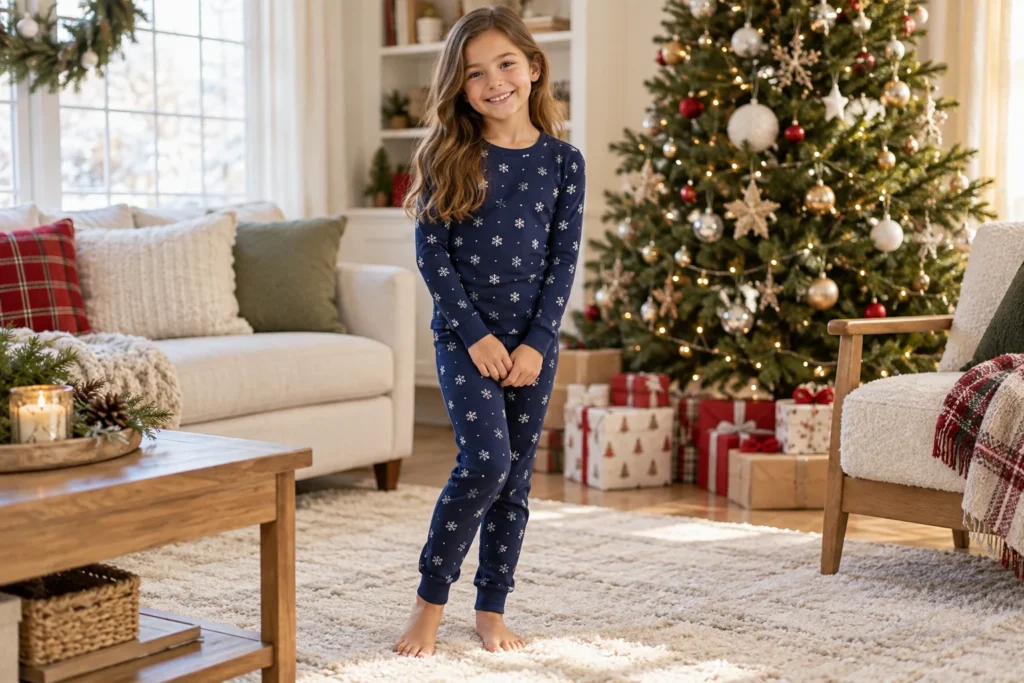
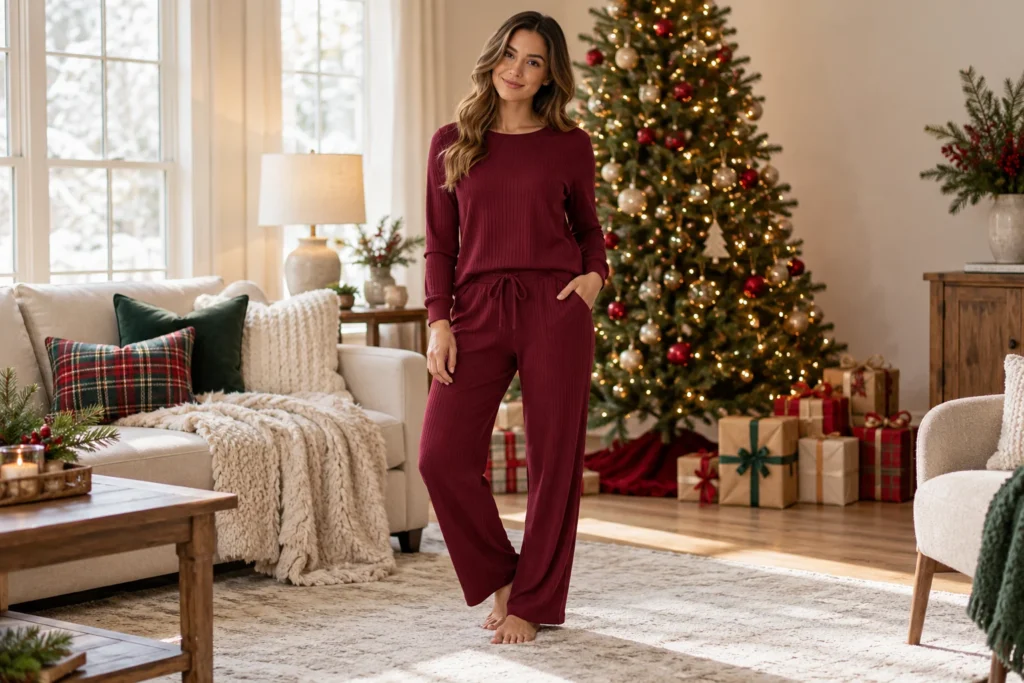
    Capsule Wardrobe Essentials to Consider

    Use this as a checklist of categories, not a shopping list. Keep only the categories relevant to your life and season.

    • Tops: everyday tees or shirts, a polished option, and a knit or blouse that layers well.
    • Bottoms: comfortable trousers, denim or another casual option, and a skirt or tailored piece if you wear one.
    • Layers: a cardigan, jacket, blazer, or coat suited to your climate.
    • One-piece outfits: a dress or jumpsuit if it simplifies your week.
    • Shoes: practical everyday footwear and a second pair for different weather or dress codes.
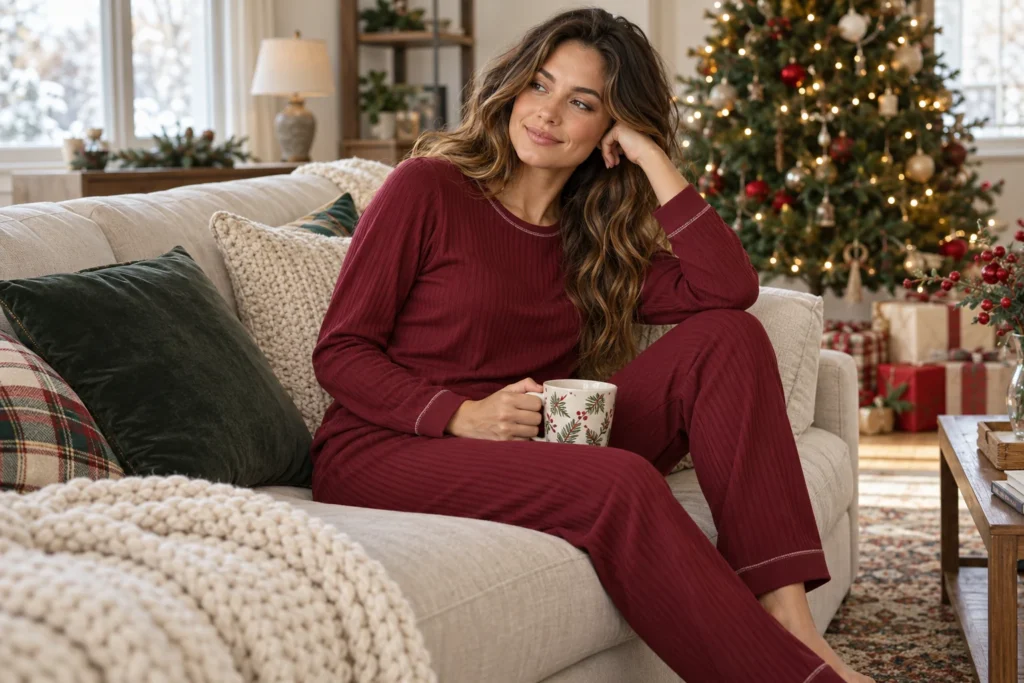
    • Finishing pieces: a bag, belt, jewelry, or scarf that brings your own style into repeated formulas.
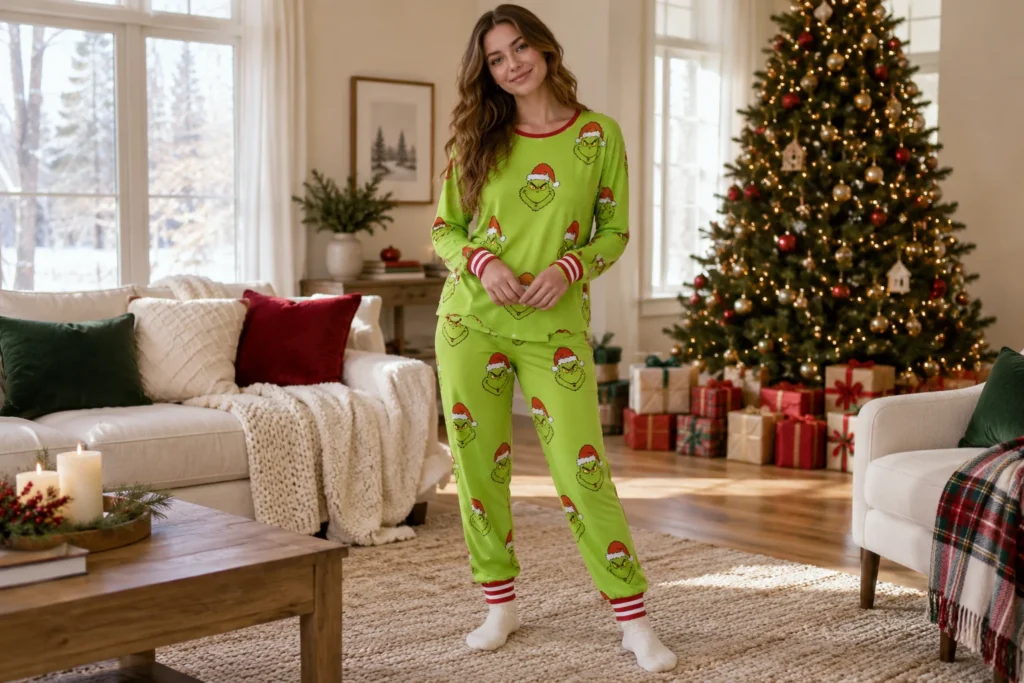
    Start with what is already in your wardrobe. For each category, ask whether you can put together several complete outfits, rather than whether you own a prescribed number of items.

    Adjust for the season

    Store heavy winter pieces when they are not needed and bring them back as temperatures change. Transitional layers often do more work than a large collection of seasonal statement pieces. Review fabric weight and footwear when the weather shifts; you do not have to rebuild the entire capsule.

    What to Do With the Rest of Your Clothes

    You do not need to throw everything away. Put out-of-season items in storage, keep special-occasion clothes separately, and give uncertain pieces a trial period. If you miss something and wear it, bring it back. If an item no longer fits your life, consider repairing, donating, reselling, or recycling it where appropriate.

    A smaller everyday selection is meant to make decisions easier, not erase the clothes you love. If bold pieces are your signature, keep them and build simple combinations around them. Our outfit formulas inspired by celebrity style offer more ways to remix familiar pieces.

    Capsule Wardrobe FAQs

    Do I need to buy new clothes to start?

    No. Begin by making outfits from what you own. A gap list should come from wearing the capsule, not from a generic essentials checklist.

    Can I include prints and bright colors?

    Yes. Pick prints and colors you genuinely wear, and pair them with other items in your rotation. Coordination matters more than a neutral-only palette.

    How often should I update my capsule?

    Review it when the season or your routine changes. Replace worn pieces as needed, and make small adjustments when an outfit repeatedly feels uncomfortable or impractical.

    What if I need different clothes for work and weekends?

    Keep a shared core of useful pieces, then make a small work or weekend section for the outfits that cannot overlap. A capsule should support your schedule rather than force every item into the same role.

    Your Next Step

    Choose five pieces you already love and make three complete outfits with them today. Notice which layer, shoe, or finishing touch helps each outfit work. That small exercise gives you a more useful starting point than an arbitrary item count. Once your wardrobe feels easier, you can streamline the rest of your morning with our simple everyday beauty routine.