
The photos below are related colour, shape, finish and manicure preparation references from free stock sources. They are inspiration examples, not three matching angles of the named design. Each photograph in this guide is different from the photographs used in our other four autumn nail guides.
Fall french tip nails offer a way to bring seasonal colour and detail into your manicure. This guide contains ten distinct design ideas, with notes on colour, placement and proportions. Use them as references for a conversation with your nail artist, adapting each one to your preferred length and everyday routine. You can choose a small accent rather than an elaborate set; the design should feel comfortable to wear as well as attractive in a photograph.
How to Choose Your Autumn Manicure
Start with the nail length and shape you already enjoy. Then decide whether colour, pattern or finish will be the main feature. Bring a reference and explain which part you like rather than asking for an exact copy without context. Lighting can change how a shade looks, and a design photographed on long nails may need a different scale on shorter nails. Ask the artist to show the colour options together before starting.
1. Chocolate French


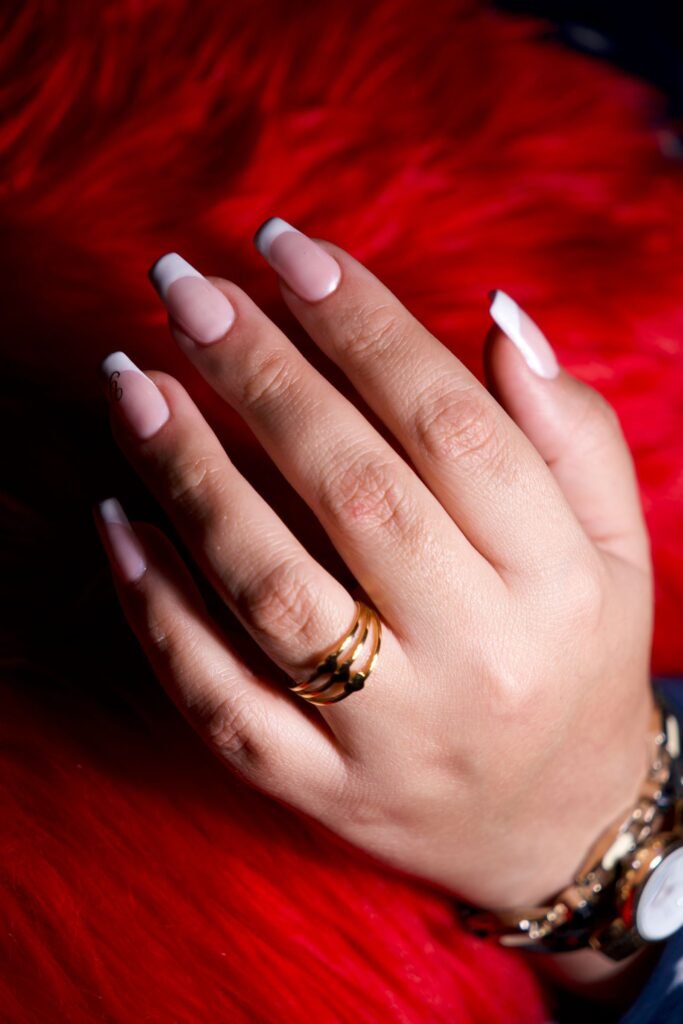
Replace a white French edge with warm chocolate brown. A sheer base allows the coloured tip to remain the focus. Adjust the depth of the tip to suit your nail length and preferred shape.
Make This Design Your Own
Choose how many nails will carry the main detail and which nails will stay plain. Compare the proposed palette with your usual jewellery and a favourite autumn outfit. If the reference uses a shape you do not enjoy wearing, keep the colour or pattern while choosing a more comfortable length. Confirm the finishing effect before adding more decoration, and check the overall balance on the whole hand rather than one nail in isolation.
2. Burgundy French


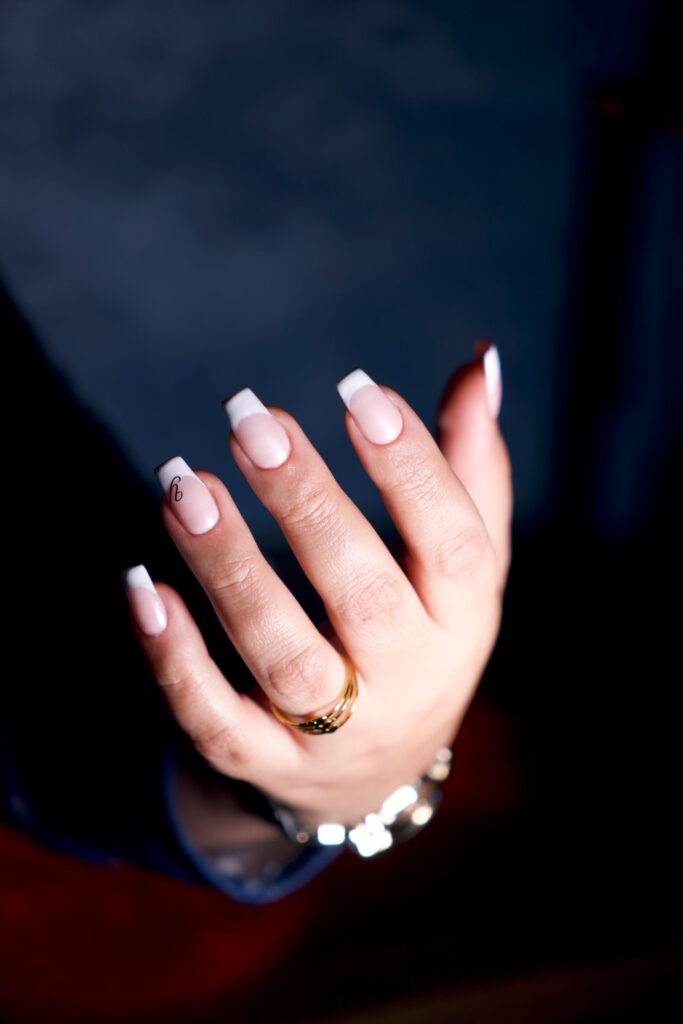
Use deep wine at the edge of a soft neutral nail. The contrast offers a rich seasonal detail. A micro line feels subtle, while a deeper tip makes the colour more visible.
Make This Design Your Own
Choose how many nails will carry the main detail and which nails will stay plain. Compare the proposed palette with your usual jewellery and a favourite autumn outfit. If the reference uses a shape you do not enjoy wearing, keep the colour or pattern while choosing a more comfortable length. Confirm the finishing effect before adding more decoration, and check the overall balance on the whole hand rather than one nail in isolation.
3. Olive French


Choose an olive tip with a base you enjoy wearing. Keep the outline neat so the uncommon colour feels intentional. Compare a muted olive with a darker forest tone before selecting the palette.
Make This Design Your Own
Choose how many nails will carry the main detail and which nails will stay plain. Compare the proposed palette with your usual jewellery and a favourite autumn outfit. If the reference uses a shape you do not enjoy wearing, keep the colour or pattern while choosing a more comfortable length. Confirm the finishing effect before adding more decoration, and check the overall balance on the whole hand rather than one nail in isolation.
4. Caramel Double French
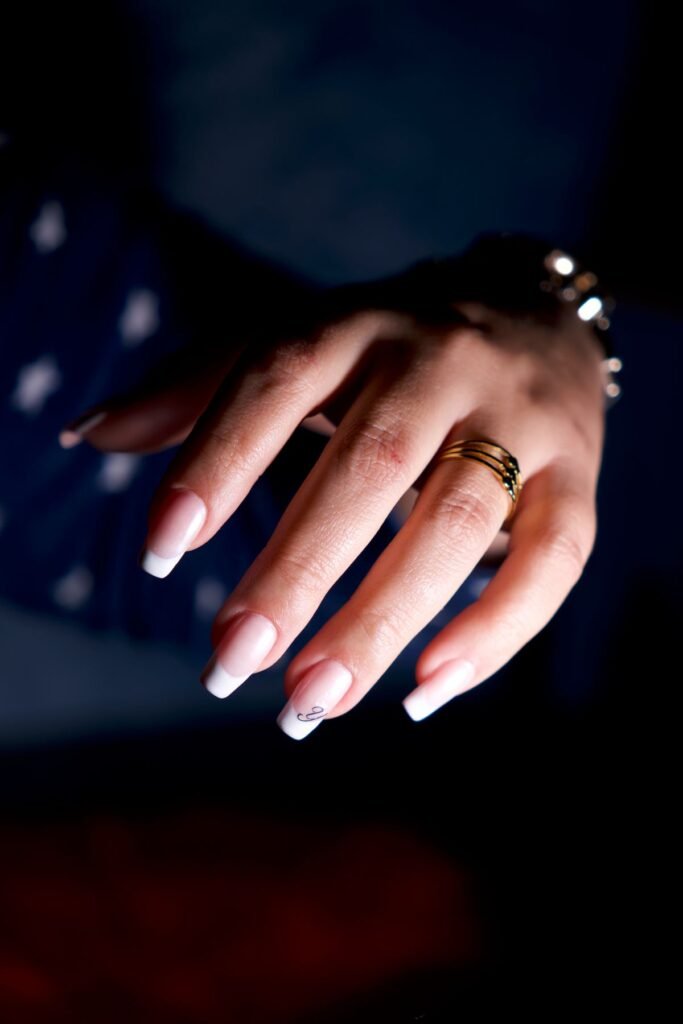


Place a second fine line behind the main caramel tip. The separation adds detail without covering the entire base. Allow a small visible gap between lines so they do not merge.
Make This Design Your Own
Choose how many nails will carry the main detail and which nails will stay plain. Compare the proposed palette with your usual jewellery and a favourite autumn outfit. If the reference uses a shape you do not enjoy wearing, keep the colour or pattern while choosing a more comfortable length. Confirm the finishing effect before adding more decoration, and check the overall balance on the whole hand rather than one nail in isolation.
5. Rust Side French

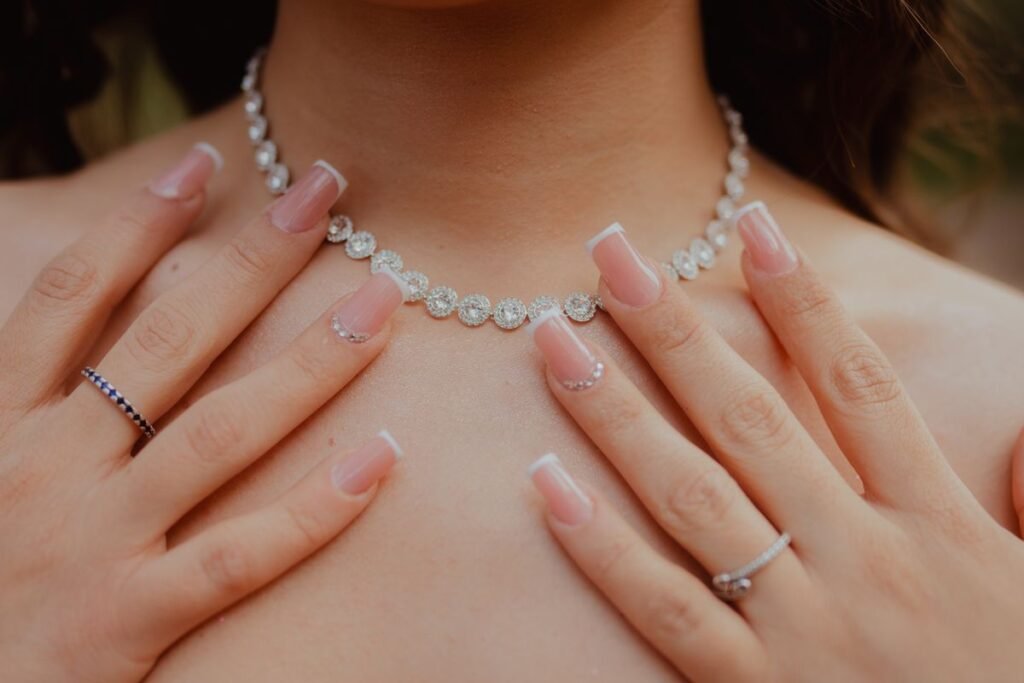

Move the rust detail toward one side of the tip for an asymmetric effect. Repeat the direction or alternate it deliberately. A single clean curve can work better than several competing shapes.
Make This Design Your Own
Choose how many nails will carry the main detail and which nails will stay plain. Compare the proposed palette with your usual jewellery and a favourite autumn outfit. If the reference uses a shape you do not enjoy wearing, keep the colour or pattern while choosing a more comfortable length. Confirm the finishing effect before adding more decoration, and check the overall balance on the whole hand rather than one nail in isolation.
6. Gold Outline French
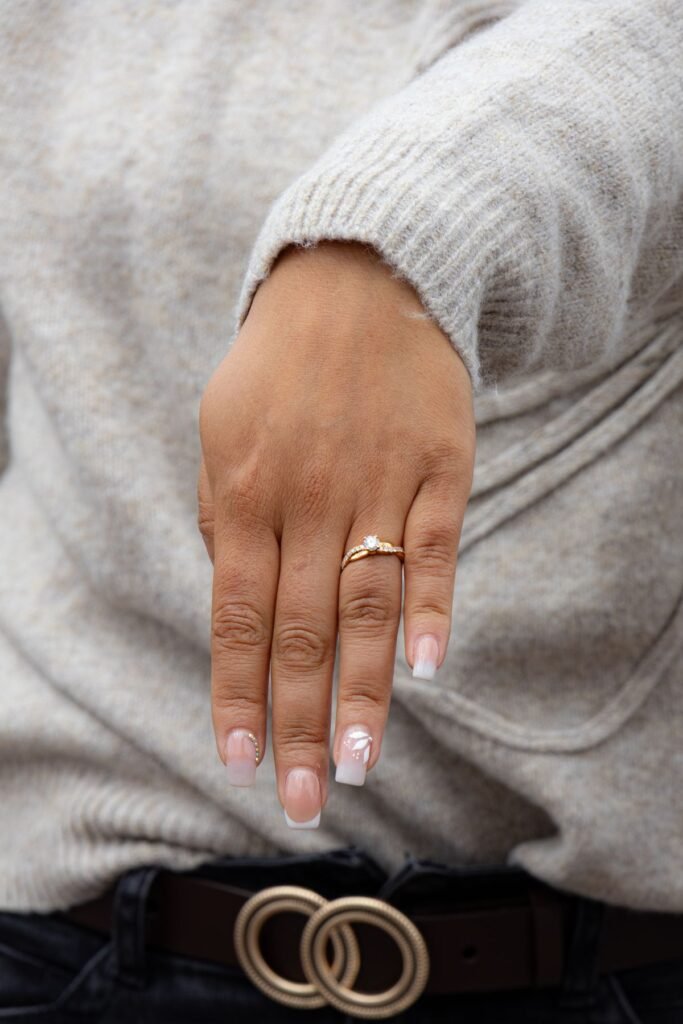

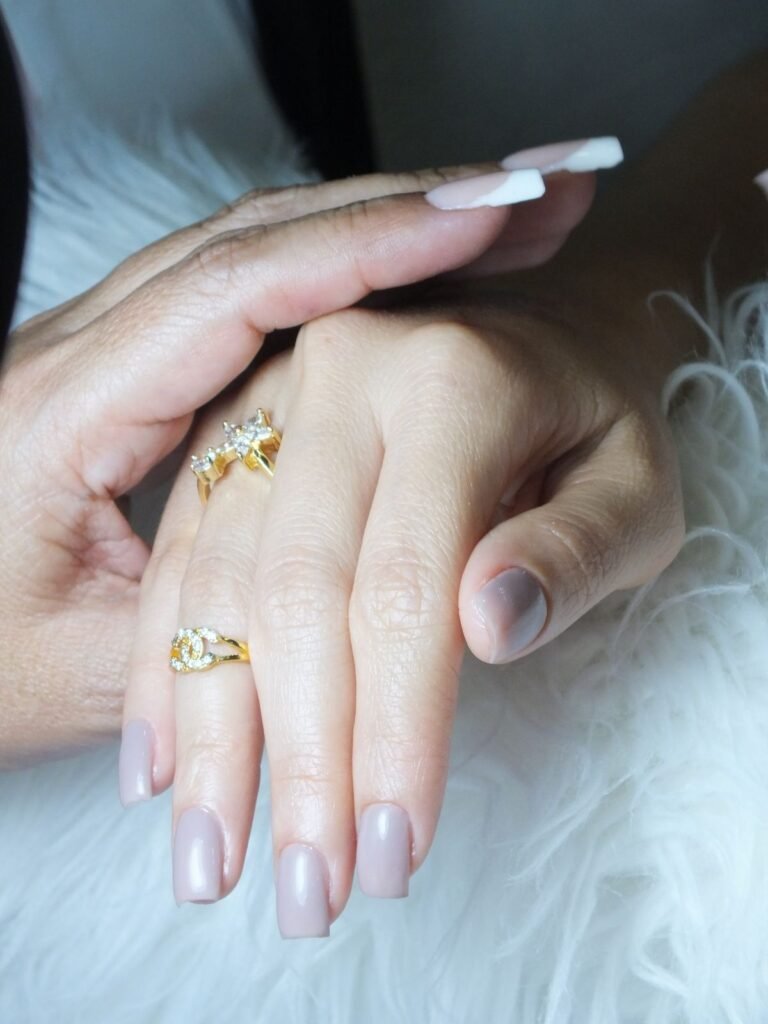
Outline a warm-toned French tip with a narrow metallic line. The shimmer acts as a border rather than the main colour. Choose the outline thickness before adding it so the proportions stay balanced.
Make This Design Your Own
Choose how many nails will carry the main detail and which nails will stay plain. Compare the proposed palette with your usual jewellery and a favourite autumn outfit. If the reference uses a shape you do not enjoy wearing, keep the colour or pattern while choosing a more comfortable length. Confirm the finishing effect before adding more decoration, and check the overall balance on the whole hand rather than one nail in isolation.
7. Autumn Mixed Tips

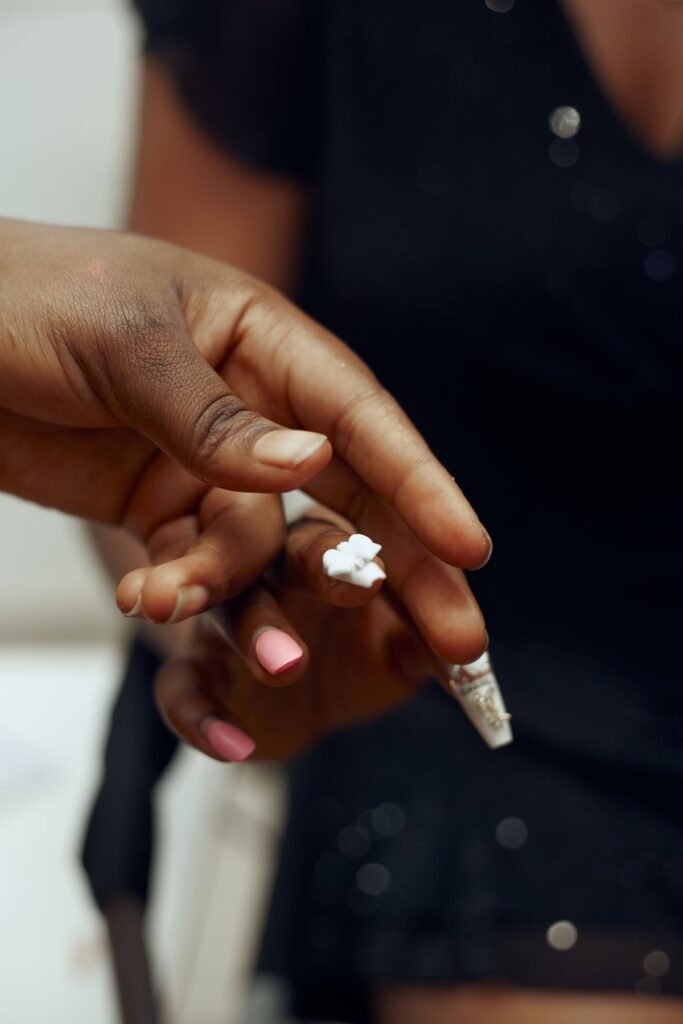

Use different related autumn colours on the tips while keeping the base consistent. The repeated shape ties the hand together. Select a limited family of colours such as cream, caramel, brown and wine.
Make This Design Your Own
Choose how many nails will carry the main detail and which nails will stay plain. Compare the proposed palette with your usual jewellery and a favourite autumn outfit. If the reference uses a shape you do not enjoy wearing, keep the colour or pattern while choosing a more comfortable length. Confirm the finishing effect before adding more decoration, and check the overall balance on the whole hand rather than one nail in isolation.
8. Matte and Gloss French
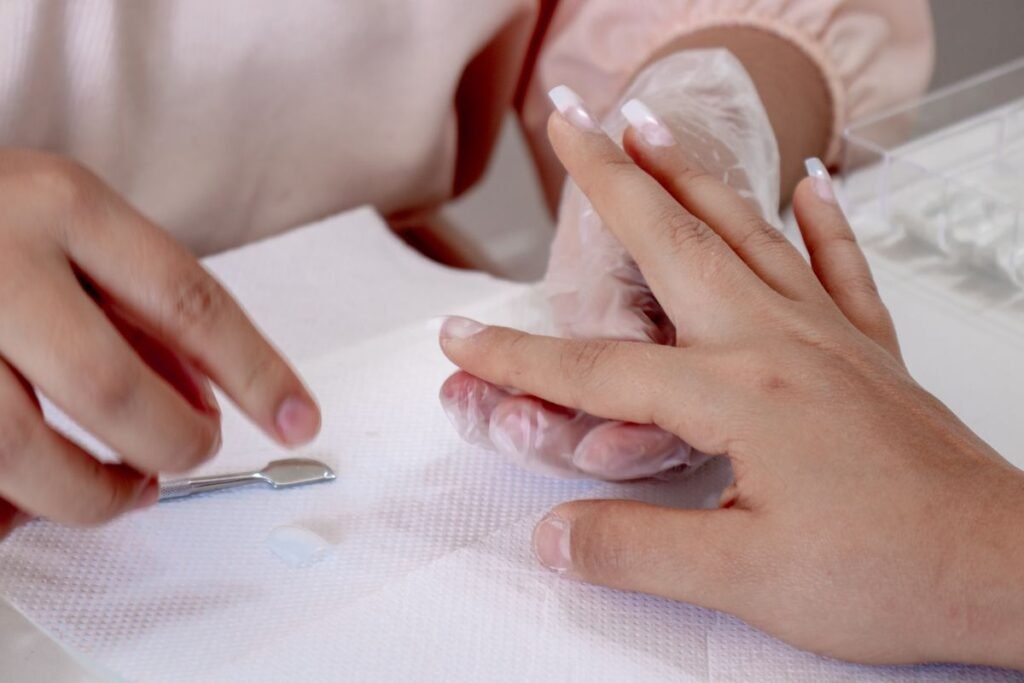
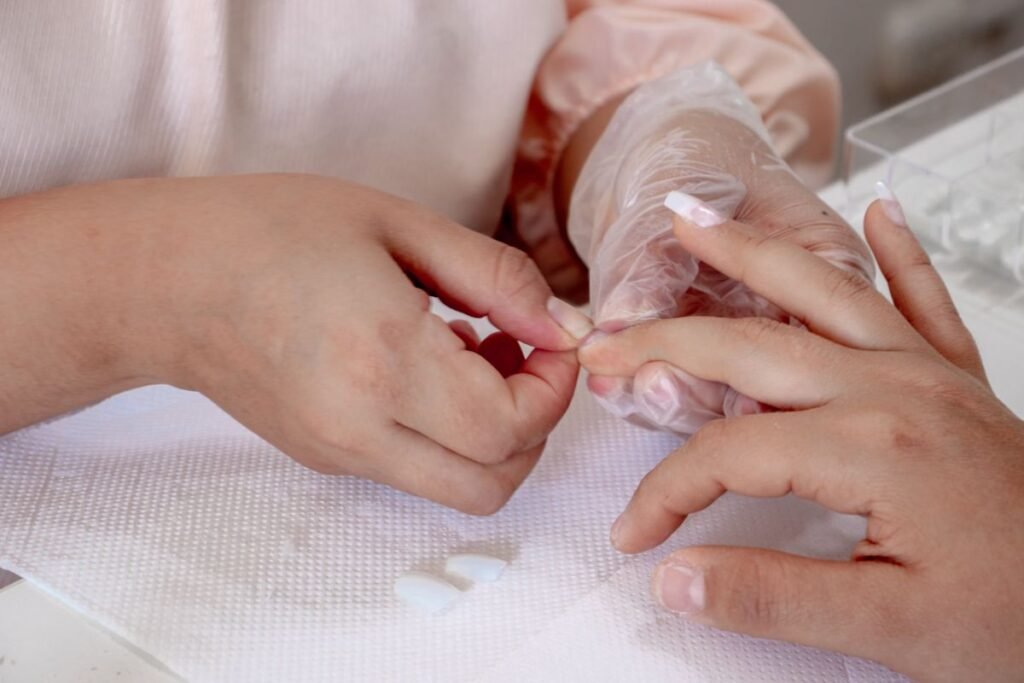
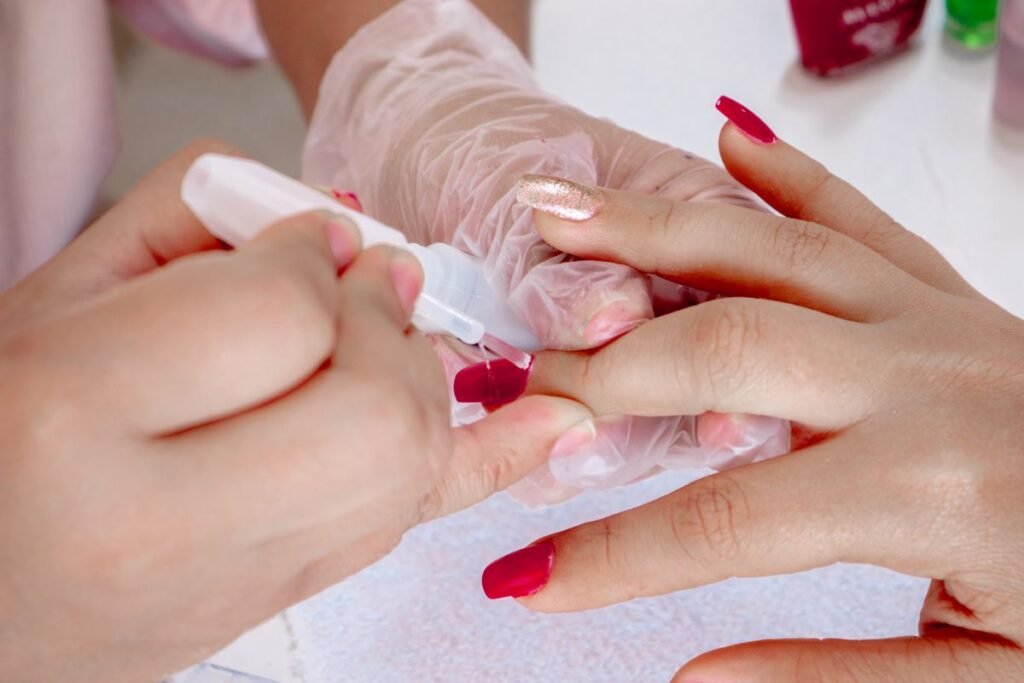
Use contrasting finishes within one colour family to define the tip. The effect can be restrained because the distinction is in reflection. Discuss compatible products and the visibility of the contrast before starting.
Make This Design Your Own
Choose how many nails will carry the main detail and which nails will stay plain. Compare the proposed palette with your usual jewellery and a favourite autumn outfit. If the reference uses a shape you do not enjoy wearing, keep the colour or pattern while choosing a more comfortable length. Confirm the finishing effect before adding more decoration, and check the overall balance on the whole hand rather than one nail in isolation.
9. Deep Green French


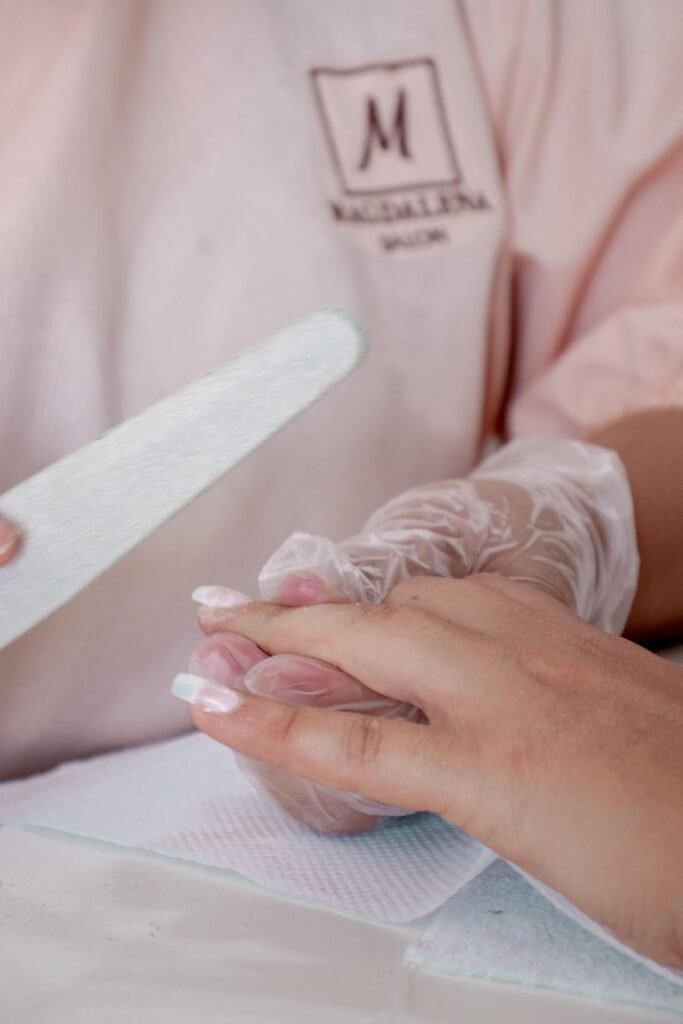
Pair a dark green edge with a soft beige or sheer base. The green can complement a warm autumn wardrobe. Keep the rest of the nail simple if you want the colour to read clearly.
Make This Design Your Own
Choose how many nails will carry the main detail and which nails will stay plain. Compare the proposed palette with your usual jewellery and a favourite autumn outfit. If the reference uses a shape you do not enjoy wearing, keep the colour or pattern while choosing a more comfortable length. Confirm the finishing effect before adding more decoration, and check the overall balance on the whole hand rather than one nail in isolation.
10. Warm Reverse French
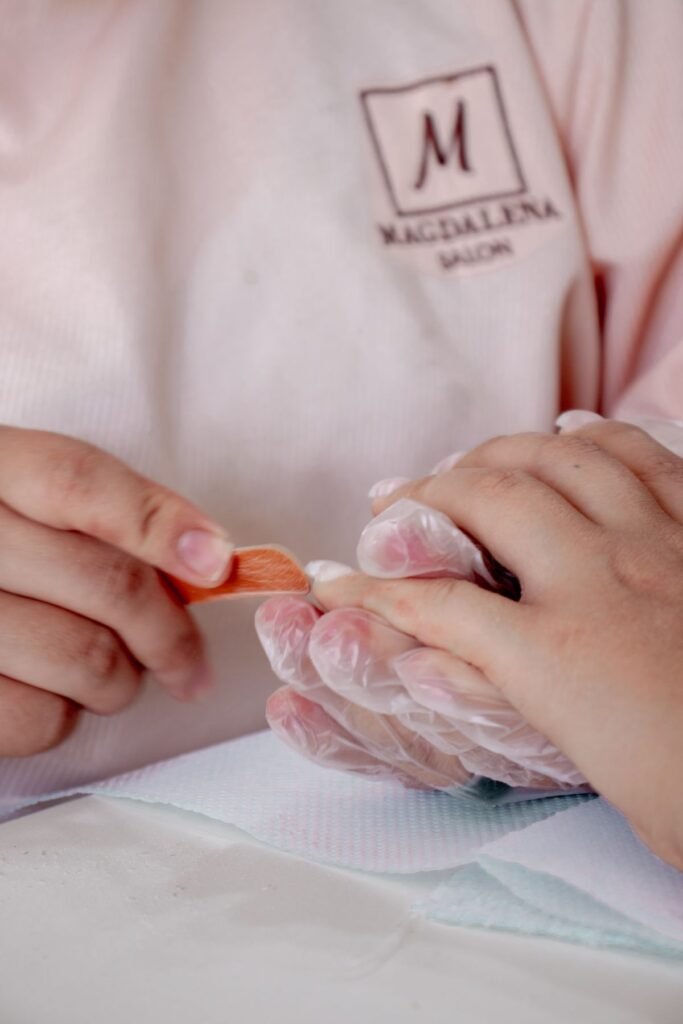


Place a warm curved detail near the base rather than the free edge. It offers a different interpretation of the French shape. Keep the curve small and balanced across the set.
Make This Design Your Own
Choose how many nails will carry the main detail and which nails will stay plain. Compare the proposed palette with your usual jewellery and a favourite autumn outfit. If the reference uses a shape you do not enjoy wearing, keep the colour or pattern while choosing a more comfortable length. Confirm the finishing effect before adding more decoration, and check the overall balance on the whole hand rather than one nail in isolation.
Plan the Appointment and Aftercare
Ask what the selected design involves, how long the appointment is expected to take and whether detailed art changes the price. Explain your preferred length before shaping begins. Follow the instructions for the exact product system used, including removal; different finishes do not necessarily share one removal method. If a step feels uncomfortable, tell the practitioner rather than waiting until the appointment is over.
For more visual direction, explore our autumn fall nail ideas and nail sticker guide. The American Academy of Dermatology’s manicure safety guidance and healthy nail tips provide a practical care reference alongside design inspiration.
Frequently Asked Questions
Can I adapt these designs to short nails?
Yes. Reduce the scale of lines, tips or patterns and use fewer details on each nail. A solid colour or one accent can retain the main idea without requiring extra length. Ask the artist to show how the proposed arrangement fits your own nails.
Do I need gel polish for an autumn manicure?
Not every design requires gel. The method depends on the effect, products and technique you choose. Discuss suitable options with your nail artist, including maintenance and removal, before agreeing to the service.
Should every nail have a different pattern?
No. One accent nail can be enough. Repeating a colour or shape often makes a set easier to coordinate. Choose the level of detail you enjoy seeing in everyday use rather than filling every nail because there is space.
How should I use a reference photograph?
Explain which colour, finish, shape or pattern you like. Treat the image as a starting point and agree on any adjustments for your nail length, available products and routine. A photograph does not establish how a manicure was created.