Finding the best lip balm for chapped lips starts with comfort, not a fashionable flavour or an expensive label. When your lips feel tight, rough, or flaky, a simple formula is often a more useful starting point than a complicated lip treatment. The aim is to choose something you can apply consistently and tolerate comfortably.
This guide compares practical options, explains how to read a label, and helps you build a manageable lip care routine. The recommendations are based on published ingredient information and dermatology guidance, rather than hands-on product testing. There is no single balm that suits every person, and a product should never earn a place in your routine simply because it is trending.
What Makes a Good Lip Balm?
For very dry lips, start by considering a plain, fragrance-free ointment. The American Academy of Dermatology recommends non-irritating products and identifies white petroleum jelly as an option for very dry, cracked lips. Its dermatologists’ chapped-lip guidance also stresses that burning or stinging is a reason to stop using a product.
That makes comfort an essential selection criterion. A cooling sensation, delicious scent, glossy finish, or elaborate package does not tell you whether a formula will agree with your lips. Think about the texture you enjoy, the ingredients you tolerate, and the circumstances in which you will actually use it.
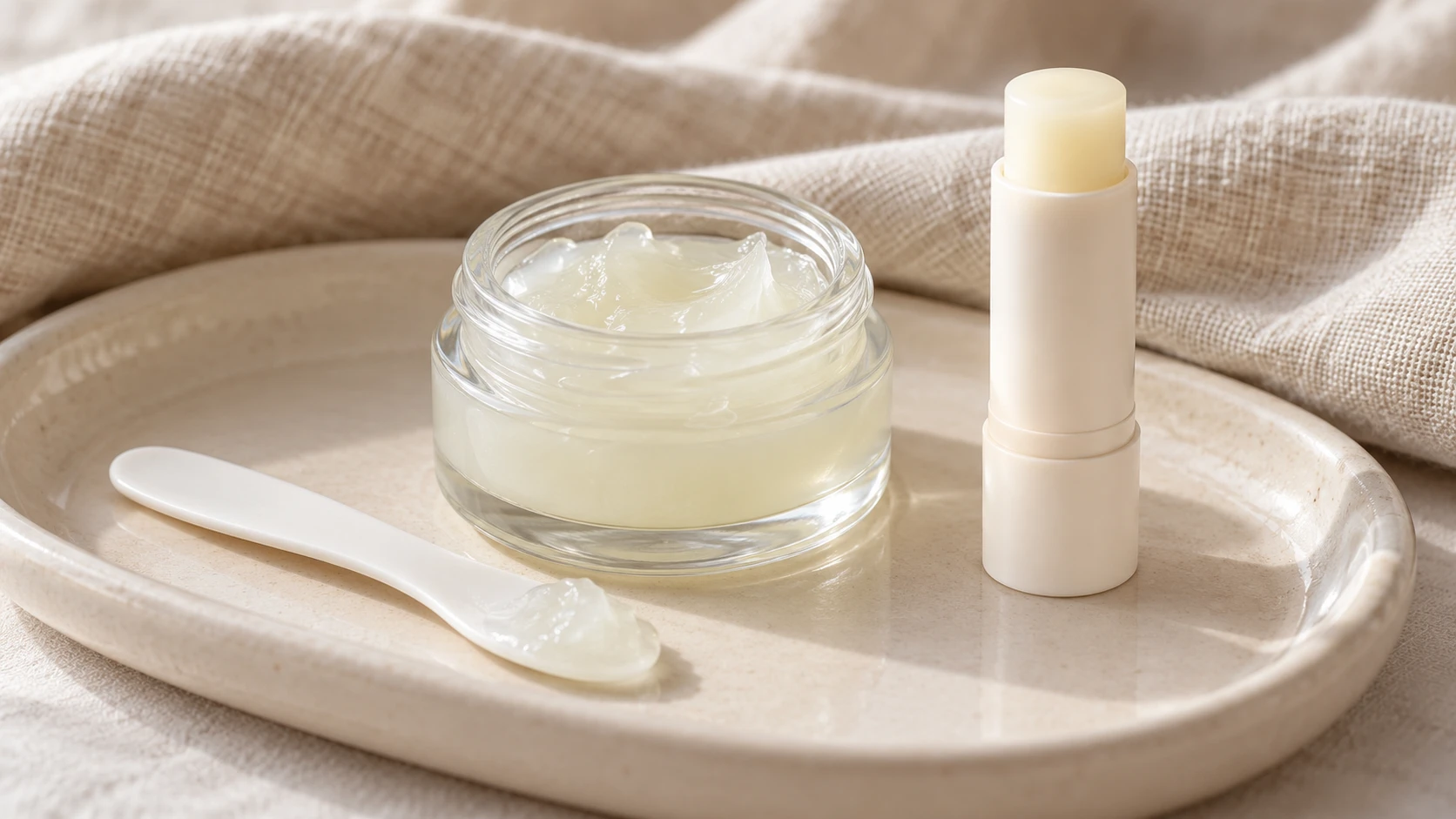
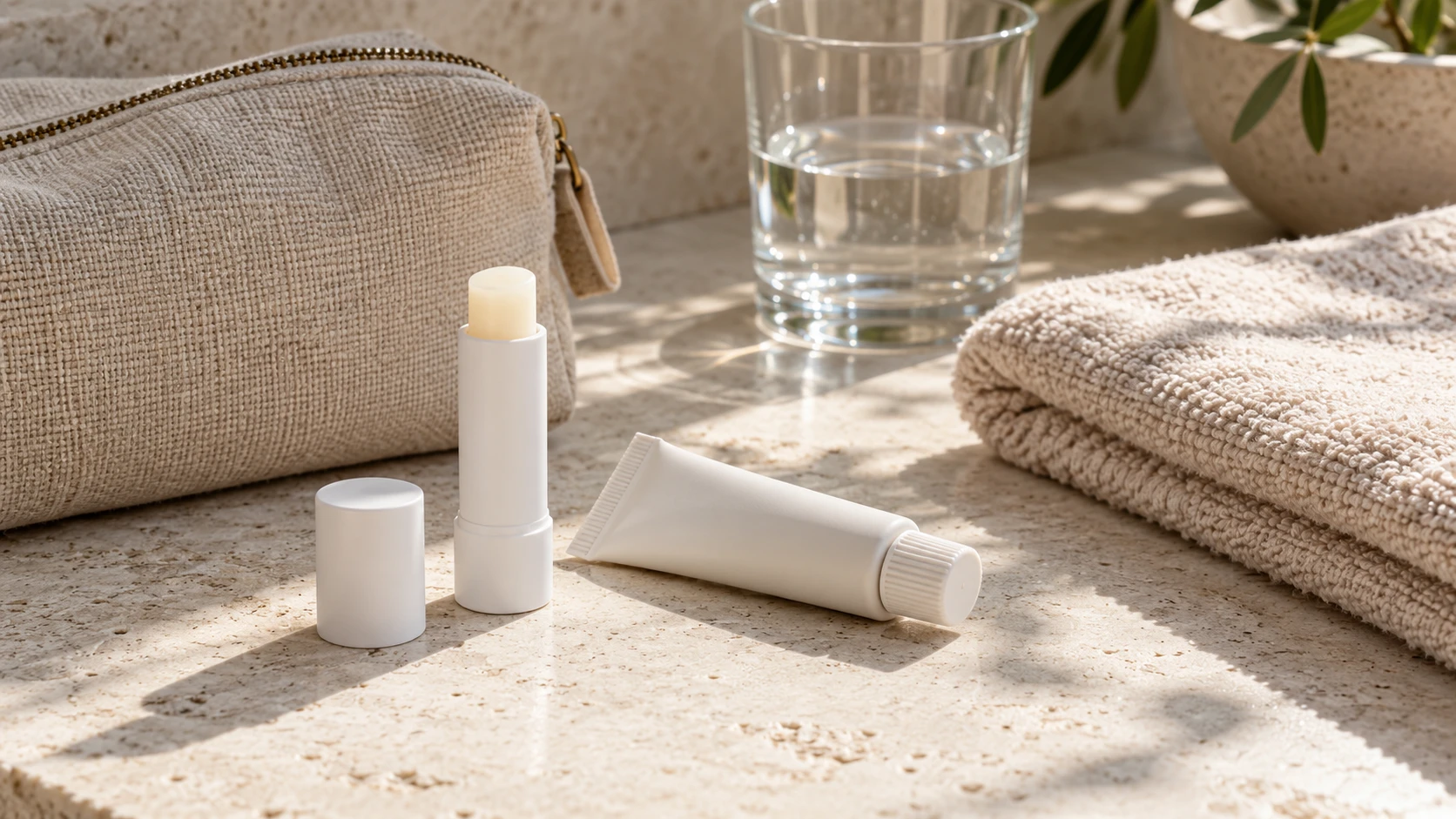
A jar can feel convenient on a bedside table, while a small tube may fit better in a work bag. Neither format automatically performs better. The best choice is one that combines a suitable formula with packaging that makes regular application straightforward.
Three Practical Options to Consider
Vaseline Original Healing Jelly: A Simple Starting Point
Vaseline Original Healing Jelly is a straightforward petroleum jelly option. The brand lists petrolatum as its ingredient. For someone wanting a minimal formula rather than fragrance, colour, or a long list of cosmetic extras, that simplicity can be appealing.
Its thick, shiny texture is the main practical tradeoff. You may enjoy it for evening use but prefer a less noticeable finish during meetings or beneath lipstick. Buy the Original version deliberately: products with similar packaging or different flavours are not necessarily the same formula.
Choose a size that fits your habits. A larger jar might make sense at home, while a compact container can be easier to carry. Compare the exact product name and ingredient list, rather than assuming every item from the brand offers an identical experience.
CeraVe Healing Ointment: An Ingredient-Rich Alternative
CeraVe Healing Ointment combines petrolatum with ceramides and hyaluronic acid. The manufacturer describes the formula as fragrance-free and lanolin-free. It is worth considering if you want a petrolatum-based ointment with additional ingredients and prefer the available tube packaging.
This is an ointment, so expect a different application experience from a firm waxy stick. Begin with a small amount and decide whether you like the finish. More ingredients do not automatically make it the best lip balm for chapped lips; suitability still depends on personal tolerance and preference.
Check the label sold in your country before buying. Packaging, sizes, and formulas can change. Do not substitute another CeraVe product just because its name includes moisturising or healing; identify the exact item you intend to use and follow its directions.
A Fragrance-Free Stick: A Convenient Everyday Format
A plain stick balm can be a practical choice when portability matters most. Rather than choosing a specific brand by popularity alone, compare fragrance-free options and their complete ingredient lists. This approach is especially useful when the products available locally differ from those mentioned in international reviews.
Look at the mechanism as well as the formula. Does the cap close securely? Can you apply the stick neatly? Is the product easy to find again? These ordinary details can determine whether a balm becomes a dependable everyday item or stays forgotten in a drawer.
An outdoor balm should be chosen separately for labelled sun protection. The AAD recommends a non-irritating lip product with SPF 30 or higher and reapplication every two hours outdoors. A regular ointment without an SPF label is not a substitute for that protection.
How to Read the Label Without Overcomplicating It
Start with three questions: what is the exact product, what does the ingredient list contain, and what do the directions say? Marketing phrases such as nourishing, intensive, natural, or luxury are less useful than clear answers to those questions.
If you already know an ingredient irritates you, check for it before purchasing. While your lips are chapped, the AAD advises avoiding potential irritants such as fragrance, menthol, camphor, and certain flavourings. A product that feels uncomfortable does not need to be finished just to justify its price.
Keep a photograph of the packaging when you find something suitable. It can help you repurchase the same version and notice a reformulation. If you are comparing two products, write down what you actually care about: texture, scent, packaging, size, and availability.
For a broader approach to choosing comfortable textures, explore our moisturizer guide. Lip care can be approached with the same practical mindset: choose thoughtfully, keep the routine manageable, and avoid buying several near-identical products without a clear purpose.
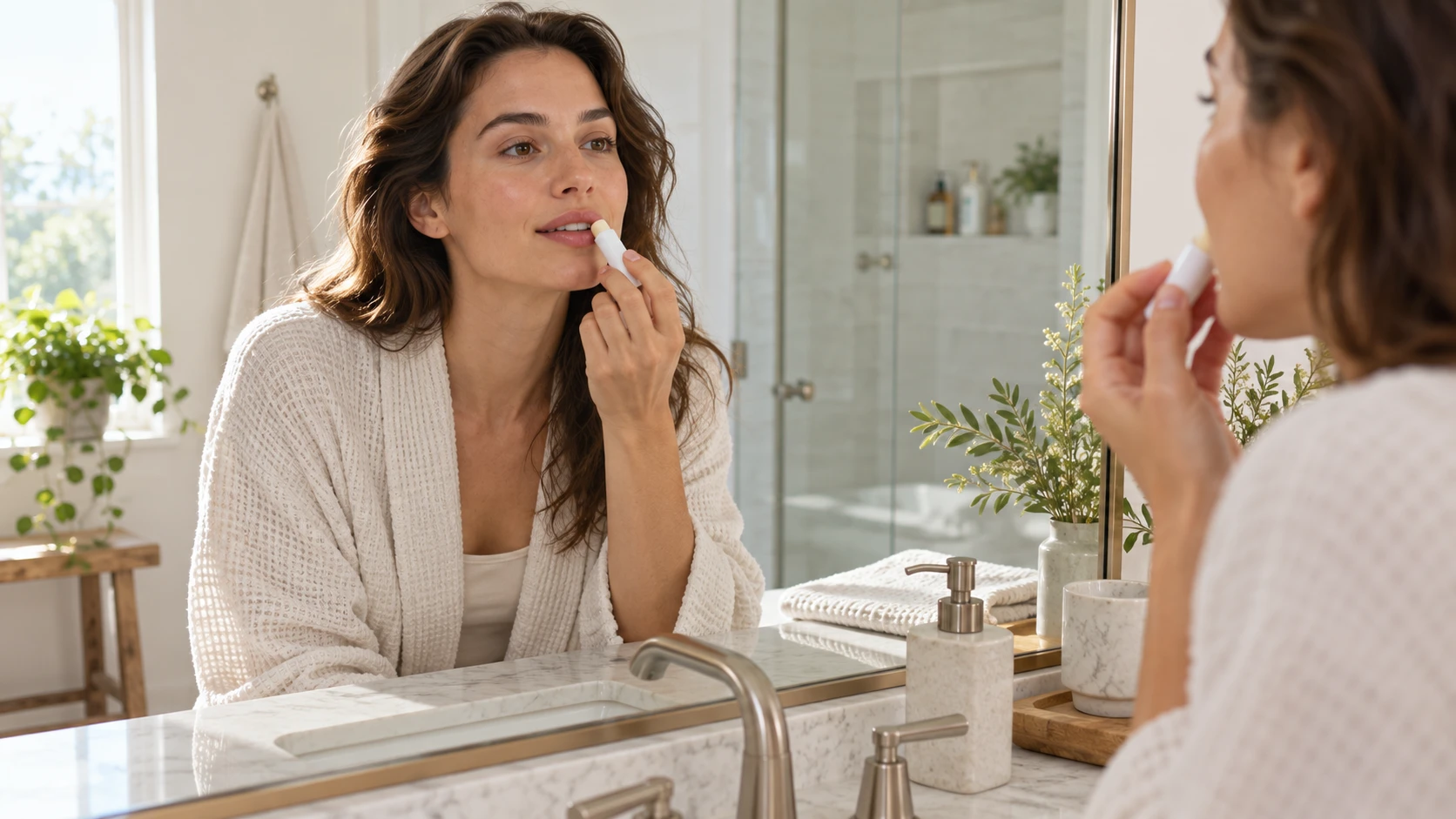
Build a Lip Care Routine You Can Repeat
Keep your chosen balm somewhere visible and attach application to an existing habit, such as finishing your morning skincare. A second convenient location, like a bedside table, may help you remember evening use. The point is consistency rather than collecting products for every possible occasion.
Use clean hands when applying a jar product, and avoid sharing your balm. The NHS includes these precautions in its advice for sore or dry lips. It also advises against picking, biting, or repeatedly licking dry lips, which can worsen soreness or slow healing.
Keep facial products away from your lips when their instructions do not recommend lip application. Give yourself a clear place in the routine for balm instead of treating it as an afterthought. Our beginner skincare routine offers a useful framework for organising the rest of your daily care.
If makeup is important to you, consider when you prefer to apply a richer ointment and when a lighter finish feels more convenient. You do not need identical textures for every setting. However, buying a daytime option and an evening option should solve a practical problem, not simply expand a collection.
Shop Carefully and Set Realistic Expectations
Compare the price per amount alongside packaging and how frequently you expect to use the product. A low purchase price is not automatically better value if you dislike the texture or repeatedly lose a poorly fitting container. Equally, expensive packaging is not evidence of superior care.
Choose reputable sellers and inspect seals, labels, and expiry information where provided. Avoid assuming that a social media favourite will perform identically for you. Published product descriptions explain intended features; they do not replace your own experience of comfort.
Before ordering, decide where the balm will live. A pocket product needs a secure cap and a manageable size; a bathroom product may benefit from packaging you can identify easily among other skincare items. Keep a small note about why you chose it and whether those expectations were met. This makes your next purchase more deliberate. You might discover that convenience matters more to you than shine, or that a familiar texture matters more than an unusual ingredient. Those observations are useful shopping information, even when they differ from a reviewer’s preferences or the presentation in an attractive advertising campaign online.
Seek medical advice if your lips are hot, painful, and swollen. If persistent chapping does not improve with gentle care, a pharmacist or clinician can help you assess it. Do not keep adding stronger treatments or supplements based on guesses about the cause.
Frequently Asked Questions
What Is the Best Lip Balm for Chapped Lips?
A plain, fragrance-free petroleum jelly is a reasonable starting option for very dry lips. The best individual choice also depends on tolerance, texture preference, and whether you need labelled SPF protection outdoors.
Is an Ointment Better Than a Stick?
An ointment offers a richer application experience, while a stick can be easier to carry. Choose based on the formula and your routine rather than assuming one packaging style suits everyone.
Should Lip Balm Tingle?
Tingling is not proof that a product is helping. If a balm burns, stings, or feels uncomfortable, stop using it and consider a gentler alternative.
Can I Use the Same Balm Day and Night?
Yes, if it suits you. For outdoor use, select a suitable SPF-labelled lip product as well; ordinary petroleum jelly does not provide labelled sun protection.
Do I Need Several Lip Products?
No. Start with one comfortable option and add another only for a clear reason, such as outdoor SPF or a packaging format that works better away from home.
When Should I Ask for Help?
Ask a pharmacist or clinician about ongoing soreness, repeated reactions, or concerning symptoms. Persistent problems deserve assessment rather than an endless cycle of buying increasingly complicated lip treatments.