
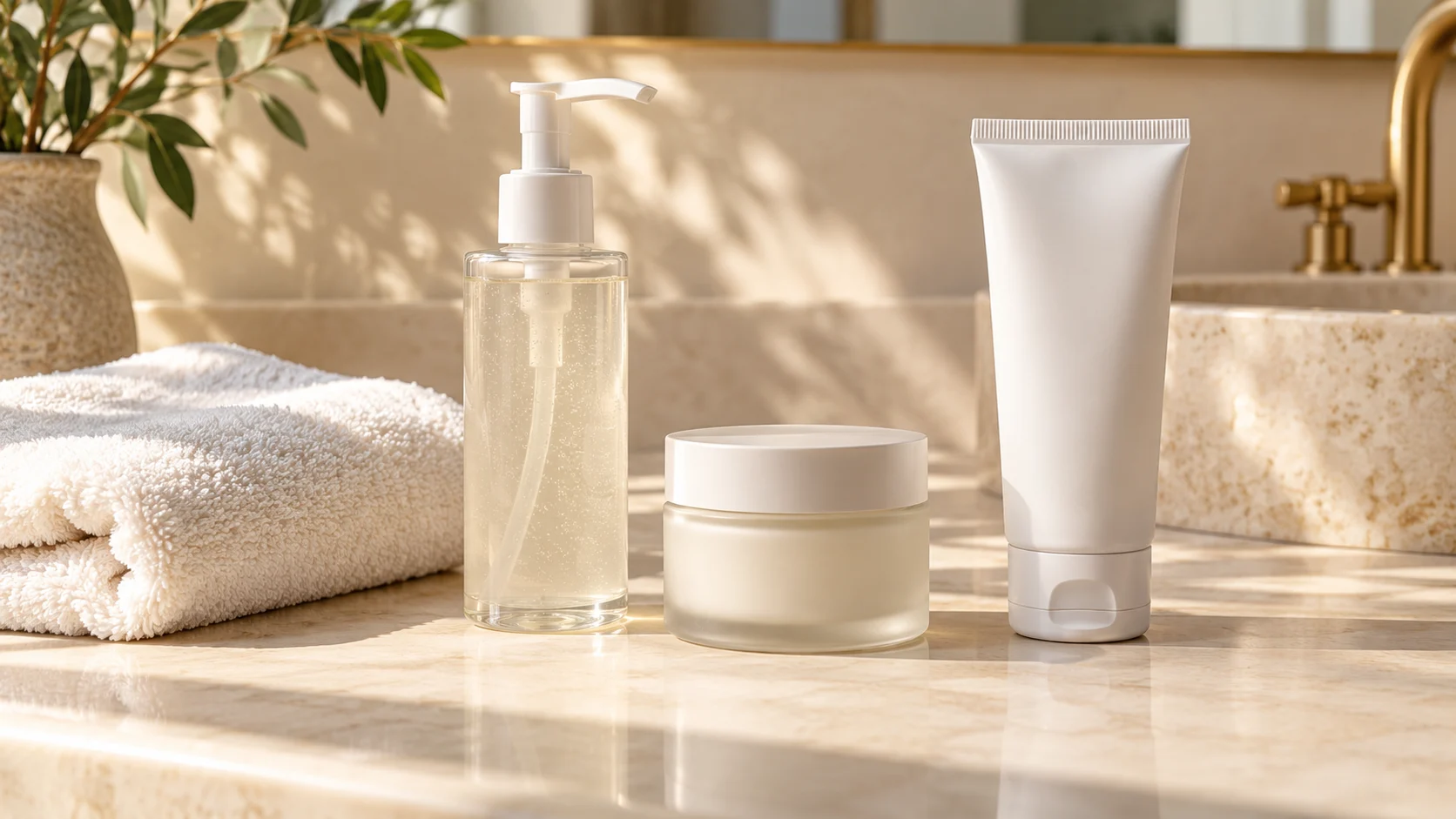
A skinimalism routine means using a considered set of skincare products instead of adding a new step whenever something becomes popular. The goal is not the smallest possible shelf or a promise of perfect skin. It is a routine you understand, can maintain and can adjust without changing everything at once.
The idea fits the wider interest in manageable beauty routines, but the basics are more important than the label. Start by separating essential daily care from optional experiments. Then make decisions based on your needs, product instructions and how your skin responds, rather than the number of products in an influencer’s routine.
Know what each product is doing
Write a short list of everything you apply and the reason you use it. If you cannot explain a product’s role, that is a useful prompt to investigate before repurchasing. Two products may serve similar purposes, while another may have been added for a concern you no longer have.
Do not include prescribed treatments in an ordinary decluttering exercise. Follow your clinician’s instructions and ask before changing them. Skinimalism is an organisation approach, not a reason to interrupt treatment or assume that every active ingredient is unnecessary.
Give the basic routine a clear place
The American Academy of Dermatology’s budget skincare guidance describes a straightforward framework of cleansing, moisturising and sun protection. Those roles are a useful starting point when a routine has become difficult to understand or too expensive to maintain.
Keep the products you already tolerate while reviewing optional additions. You do not need to buy a matching range or use one brand for every step. A routine is coherent when the products have clear functions, not when the packaging looks identical.
Review the morning and evening separately
A morning routine has different practical demands from an evening routine. In the morning, you may need products that sit comfortably beneath makeup and fit a short schedule. At night, you have time to remove makeup and follow the care instructions for your chosen products.
Write down both routines in the order you actually use them. Notice whether extra steps appear only because the products are sitting beside the sink. Move optional items into a separate area so the daily routine remains easy to see without making every product compulsory.
Introduce one change at a time
When several products are introduced together, it becomes harder to identify which one caused a problem or provided a useful effect. Choose a specific reason for the change and follow the product instructions. Keep the rest of the routine stable while you assess it.
The AAD provides guidance on testing new skincare products, including checking a small area before wider use. That is not a guarantee against every reaction, but it is more considered than putting several unfamiliar products on your face together.
Keep a short routine record
A few notes can help when you are deciding whether a product belongs in the routine. Record when you began using it, what you expected and any changes you noticed. Include practical details such as whether the packaging leaks or whether the texture makes you avoid the step.
Avoid checking your face repeatedly throughout the day for tiny differences. Look for meaningful patterns rather than judging the routine from one photograph or one difficult morning. Lighting, makeup and temporary changes can affect what you see. A simple record is useful without becoming a constant inspection.
Separate comfort from marketing language
Words such as luxury, advanced or glow do not tell you whether a product suits your routine. Look at the purpose, instructions and the concerns it is meant for. If you have sensitive skin or a known allergy, ingredient information matters more than attractive descriptions.
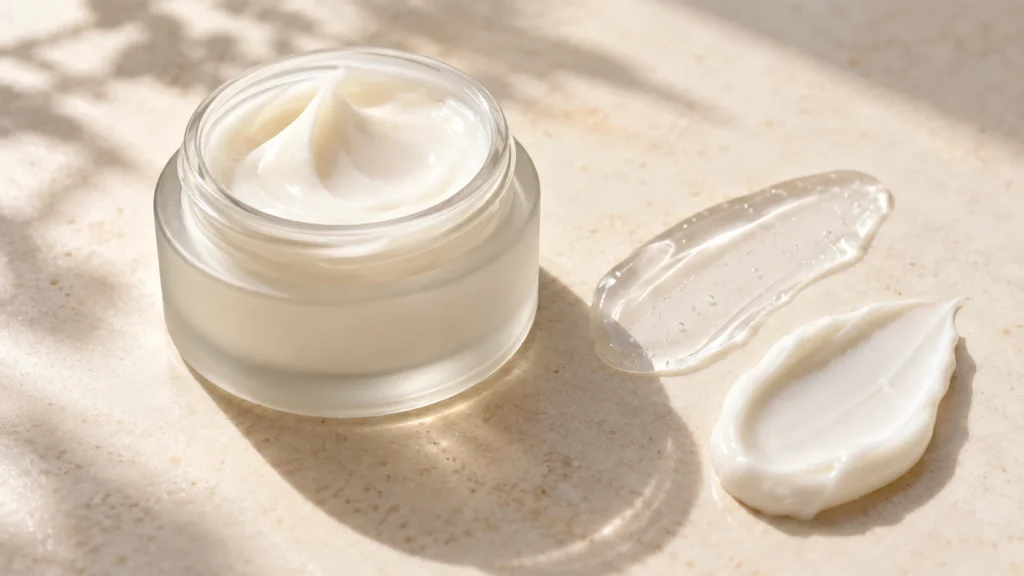
Do not assume that natural ingredients are automatically suitable or that a longer ingredient list means a product is poor. Those shortcuts can make decisions less accurate. If you are unsure about a particular ingredient or persistent irritation, a dermatologist can help you assess the actual issue.
Make the routine easy to use
Keep daily products where you can reach them without digging through a drawer. Store them as instructed, away from conditions that could damage them. If a product is difficult to dispense, transfer decisions should follow manufacturer guidance rather than an improvised container with no label.
A small tray can separate daily care from occasional products, but elaborate storage is optional. The point is visibility and convenience. You should be able to identify the next step without comparing several similar bottles while rushing to leave home.
Work out a realistic replacement budget
A smaller routine may reduce spending, but only if you avoid replacing the removed steps with more expensive alternatives automatically. Write down how often you use each product and whether it is a purchase you can comfortably repeat.
Choose a dependable price range and look for a product that fulfils the needed function. Save the exact name and version of products you like so you do not accidentally buy a different formula. Packaging can look similar even when the product purpose has changed.
Keep sun protection in the plan
A simplified routine should still include a sensible sun protection strategy. The AAD recommends broad spectrum, water resistant sunscreen with SPF 30 or higher, alongside shade and protective clothing. Read the label and follow reapplication guidance when outdoors rather than treating morning application as permanent coverage.
For more detail on labels, use the AAD’s sunscreen label guide. Our beginner skincare article also provides a simple overview of where care steps fit in an ordinary routine.
Skinimalism routine checklist
- Can you explain the purpose of each product?
- Are you following the instructions for use and storage?
- Have optional products become automatic steps?
- Does the routine fit your time and budget?
- Are you changing too many things together?
- Is a persistent concern better assessed by a dermatologist?
If the answer to the final question is yes, adding more products may only complicate the situation. Persistent pain, irritation or a changing skin problem deserves appropriate assessment. A beauty trend is not a diagnosis, and a shorter routine does not solve every concern.
Frequently asked questions
Does skinimalism mean avoiding every serum?
No. An optional product can belong in a simple routine when it has a clear purpose and is suitable for you. The useful question is whether it adds value, not whether its category sounds too elaborate. Follow instructions and avoid stacking unfamiliar products just to increase the number of steps.
Can I simplify my routine while wearing makeup daily?
Yes. Organise makeup separately from care so the two collections do not become one long list of compulsory steps. Our beauty capsule guide can help you identify the makeup you repeat while leaving skincare decisions based on your own needs.
How do I know when the routine needs another review?
Review it when your schedule, budget or needs change, or when a product is no longer comfortable to use. You do not need to rebuild it every season simply because new launches appear. Keep what works and make specific changes with a clear reason.